0 Items
No products in the cart.
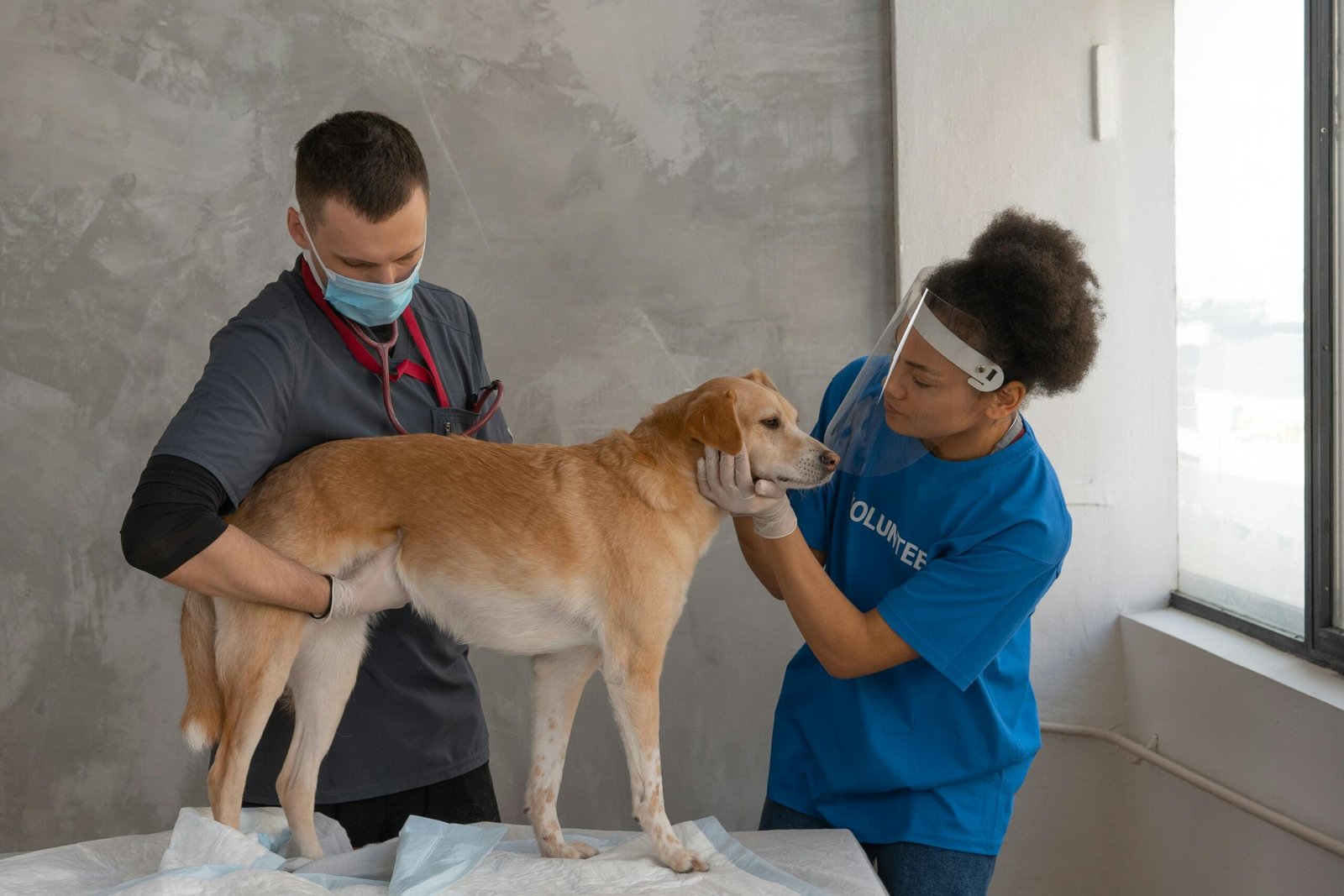
When your dog deals with discomfort, they rarely show it in obvious ways. You might not notice anything dramatic at first, but small hints slowly appear. These quiet little signals often tell you something is wrong, especially when it comes to UTI in dogs. Dogs can’t describe their pain, so you watch, guess, and connect the dots through behaviour. Once you recognise these subtle clues, you help your dog feel better much faster.
Below are the most common gentle signs that something is off inside your dog’s urinary system, and each one gives you helpful insights.
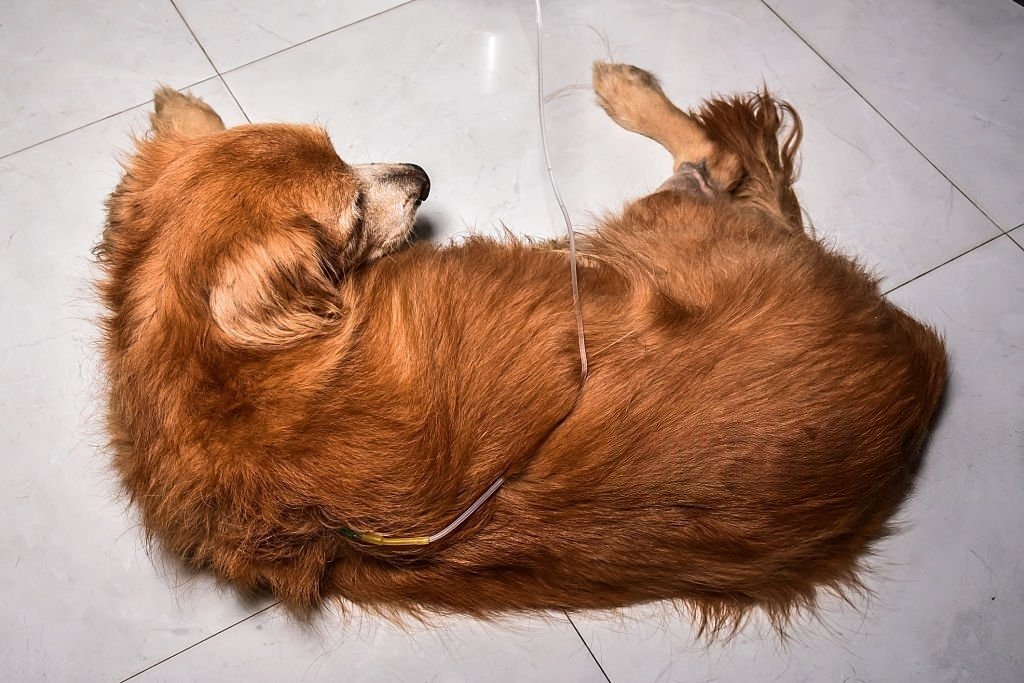
One of the easiest signs to miss is when your dog suddenly wants to go outside more often than usual. You might think they are excited, bored, or simply curious about the yard. But dogs dealing with urinary tract infection issues often feel constant pressure in their bladder.
Your dog tries to pee repeatedly, yet only a small amount comes out each time. You might see them squat or lift their leg several times during one walk, almost like they are unsure if they need to go. This happens because bladder irritation sends mixed signals to your dog’s body. The bladder says it’s full, but it really isn’t.
Frequent urination is one of the earliest clues of UTI in dogs, and it appears long before stronger symptoms begin. You help your dog by paying attention to changes in bathroom patterns, especially when these habits suddenly shift without explanation.
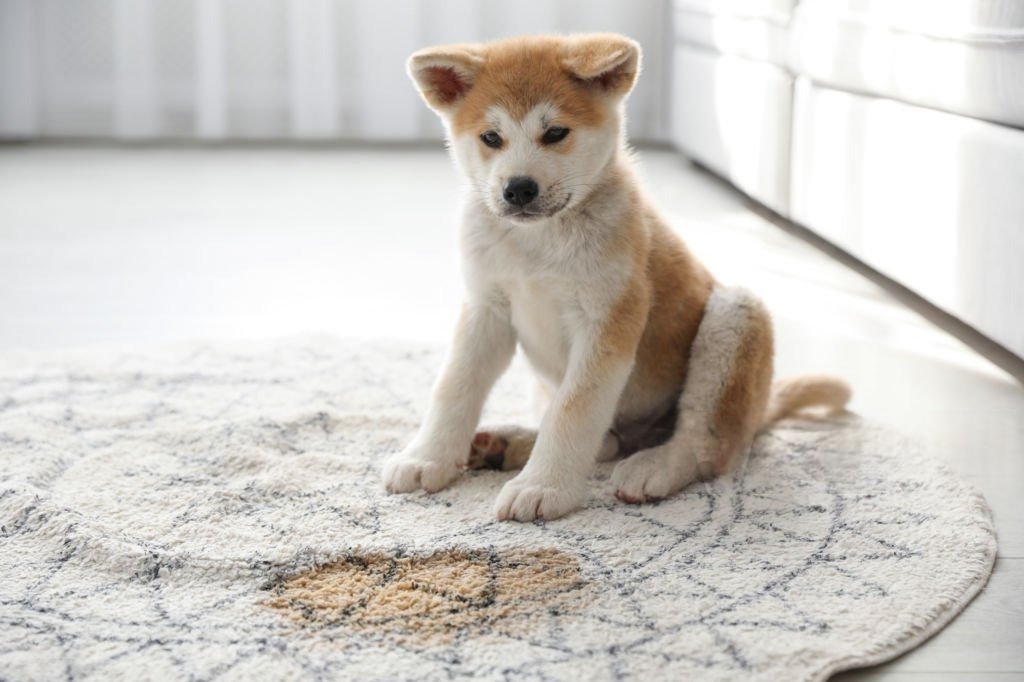
Another subtle sign involves discomfort during urination. Your dog may try to act normal, but their body quietly reveals the problem. You might notice your dog straining slightly, pausing longer, or hesitating before they pee. These tiny pauses tell you something doesn’t feel right inside the bladder.
Some dogs lick their private area more often because they feel irritation or burning. This behavior feels soothing to them, even though it doesn’t fix the actual issue. Licking is one of the most overlooked signs of bacterial infection in the urinary tract, and many pet parents confuse it with grooming behavior.
You may also notice whining, soft grunts, or unusual breathing patterns right when your dog begins to pee. These sounds reveal sensitivity, yet many dogs hide their pain very well. When your dog shows even slight discomfort, it’s worth paying attention, because early care helps prevent more serious complications.
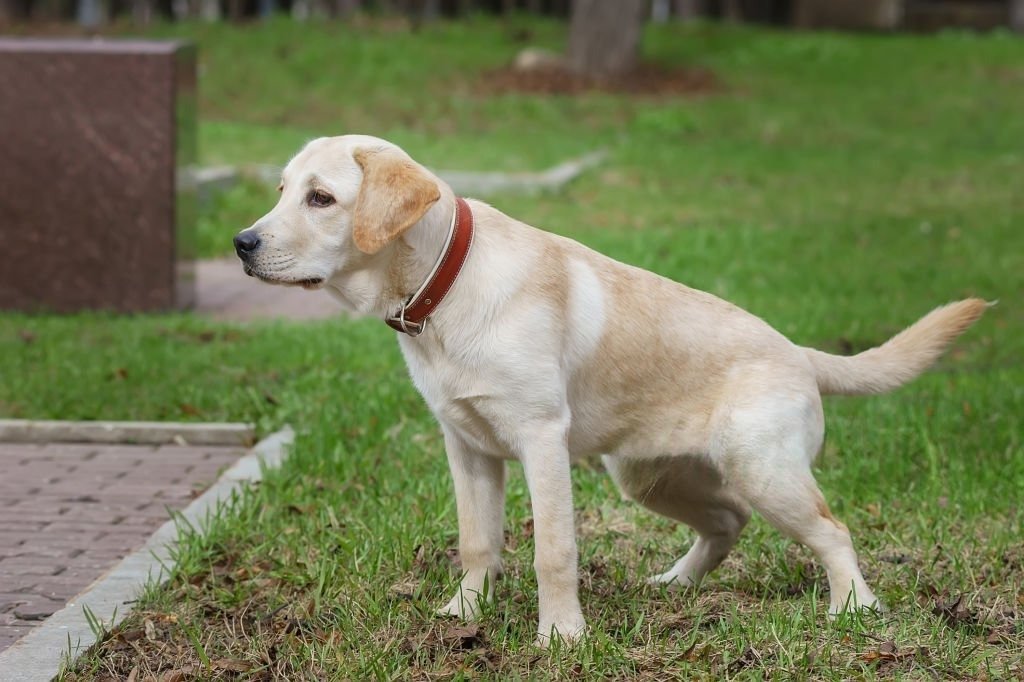
If your dog is fully potty trained but suddenly starts having accidents, you might feel confused or worried. Dogs experiencing bladder irritation struggle to hold their pee because the urge becomes too strong. This sudden behavior change often surprises pet owners, especially when it appears in calm or older dogs.
Accidents don’t happen because your dog is misbehaving. They happen because your dog physically cannot control the strong and sudden signals from their bladder. When the urinary tract becomes inflamed, holding urine becomes uncomfortable and sometimes impossible.
You might see small wet spots on bedding, carpets, or furniture, especially after your dog has been resting. Many pet parents blame stress or excitement, but hidden UTIs often cause these unexpected leaks. Recognizing this early helps you avoid frustration and guides you toward healthier solutions.
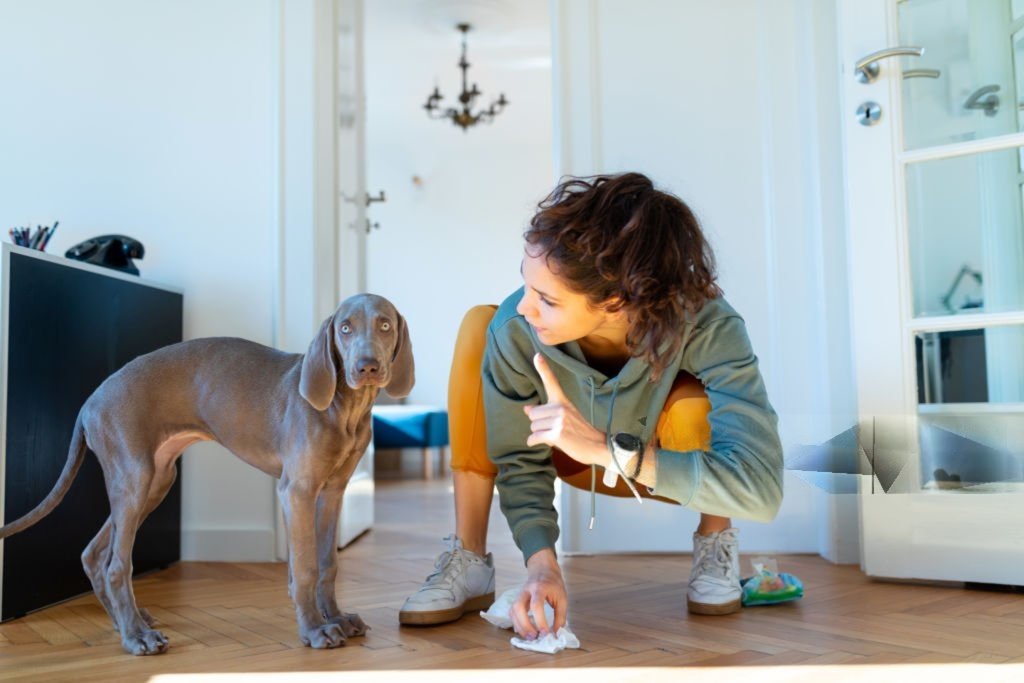
Another quiet sign appears in the smell of your dog’s urine. You don’t need to sniff directly, of course, but you may notice odor changes when cleaning pee outside or from pads. UTIs can cause stronger smells due to bacteria multiplying inside the bladder.
You might also see slightly darker or cloudy urine, which happens when inflammation releases extra cells and minerals. These changes can be easy to miss unless you watch carefully, especially during walks. Paying attention to the color and scent helps you catch UTI in dogs before it gets severe.
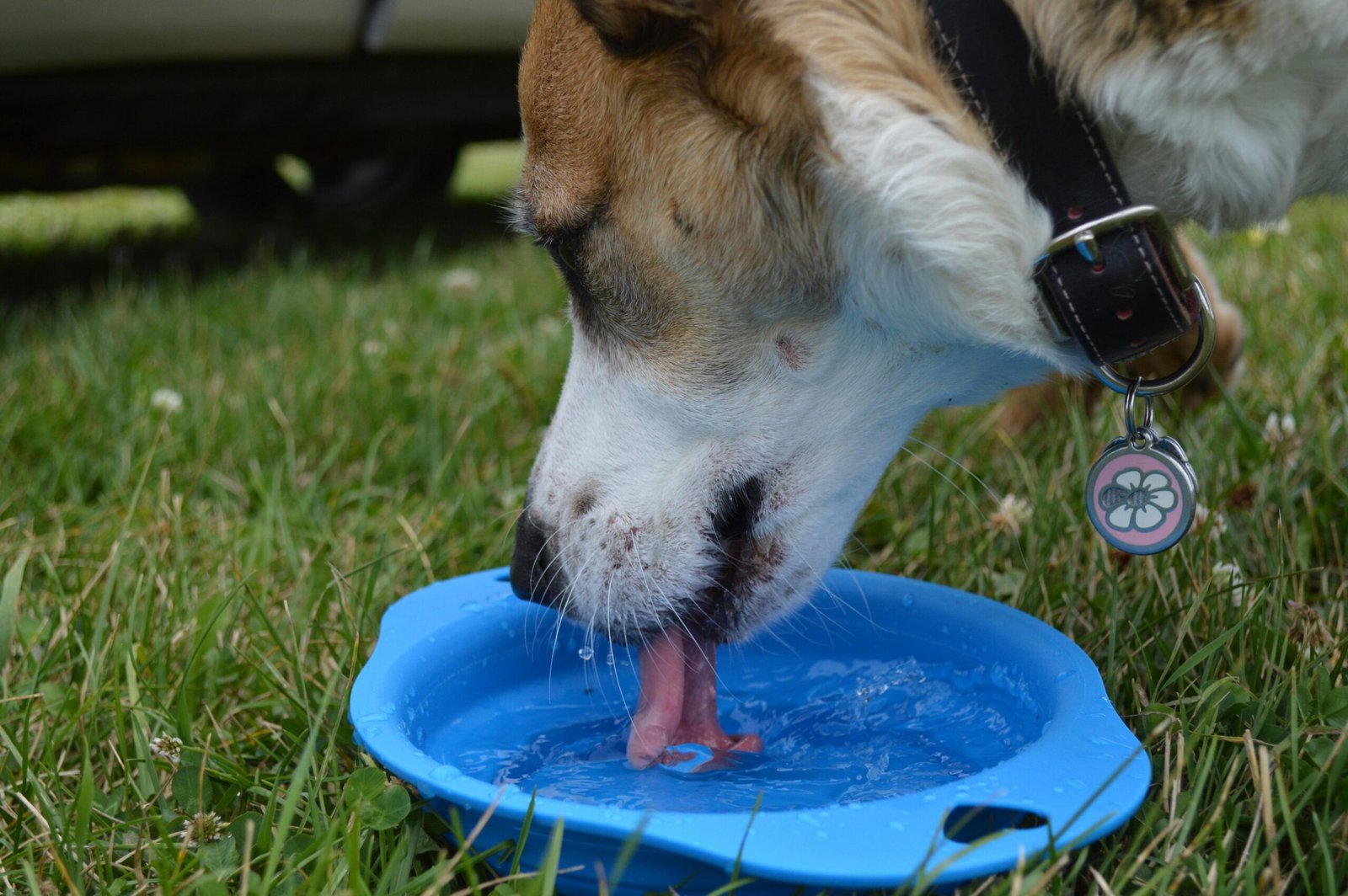
Increased thirst might seem harmless, but it can be a subtle sign of infection. Dogs drink more water when their body tries to flush out bacteria naturally. You may see your dog stay near the water bowl more often or return for multiple small sips throughout the day.
Although many issues cause increased thirst, pairing this behavior with other signs creates a clearer picture for you. When thirst rises suddenly and bathroom trips increase alongside it, the problem often points toward urinary discomfort.
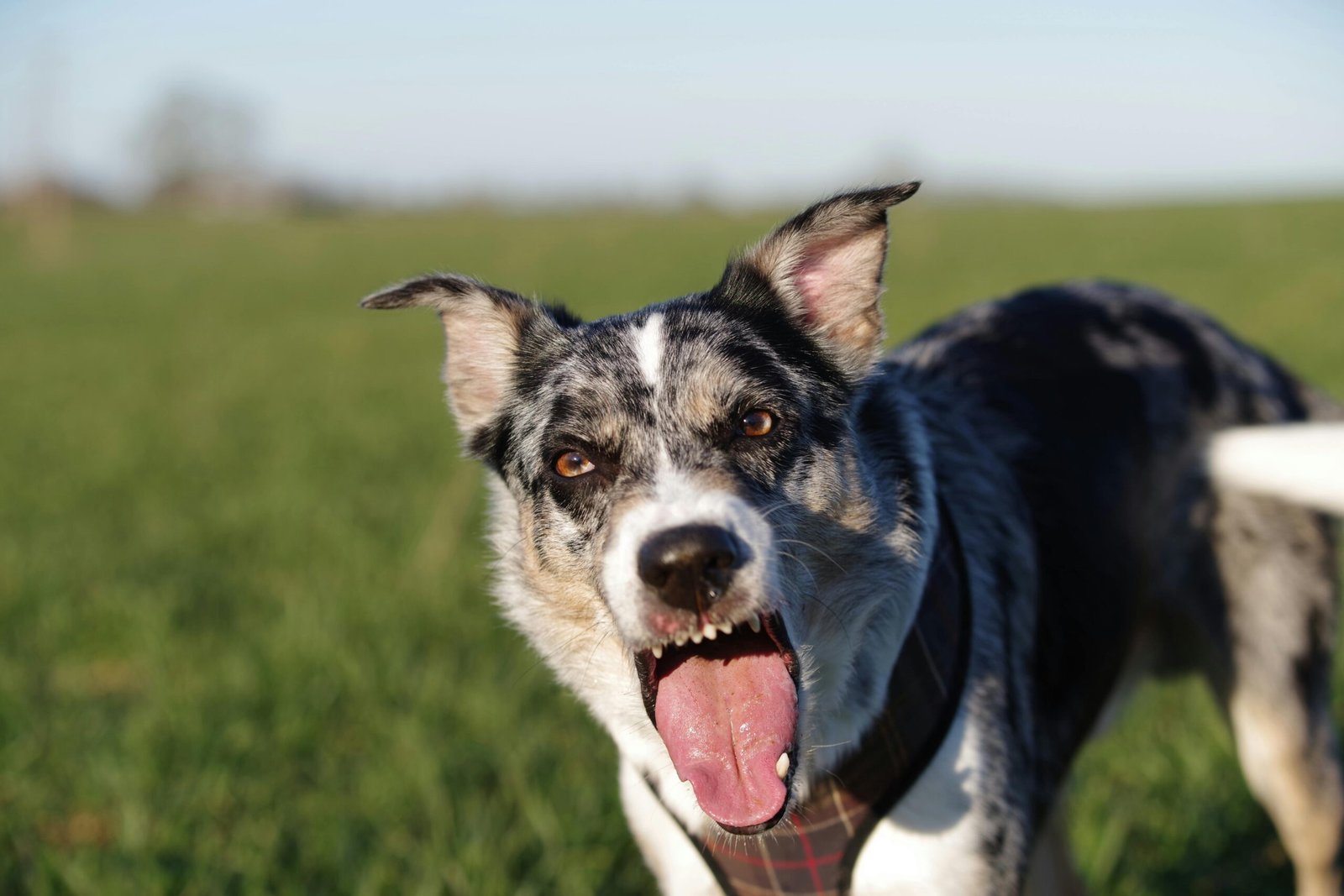
UTIs may be invisible on the outside, but they drain your dog’s energy quietly. Your dog might act less playful, more clingy, or slightly irritable. Some dogs become restless because they feel constant pressure in their lower belly, while others feel tired because fighting infection takes energy.
Even mild infection can change your dog’s behavior in small but meaningful ways. When your usually active dog becomes slow or unmotivated, it’s another gentle clue pointing toward a possible urinary issue.
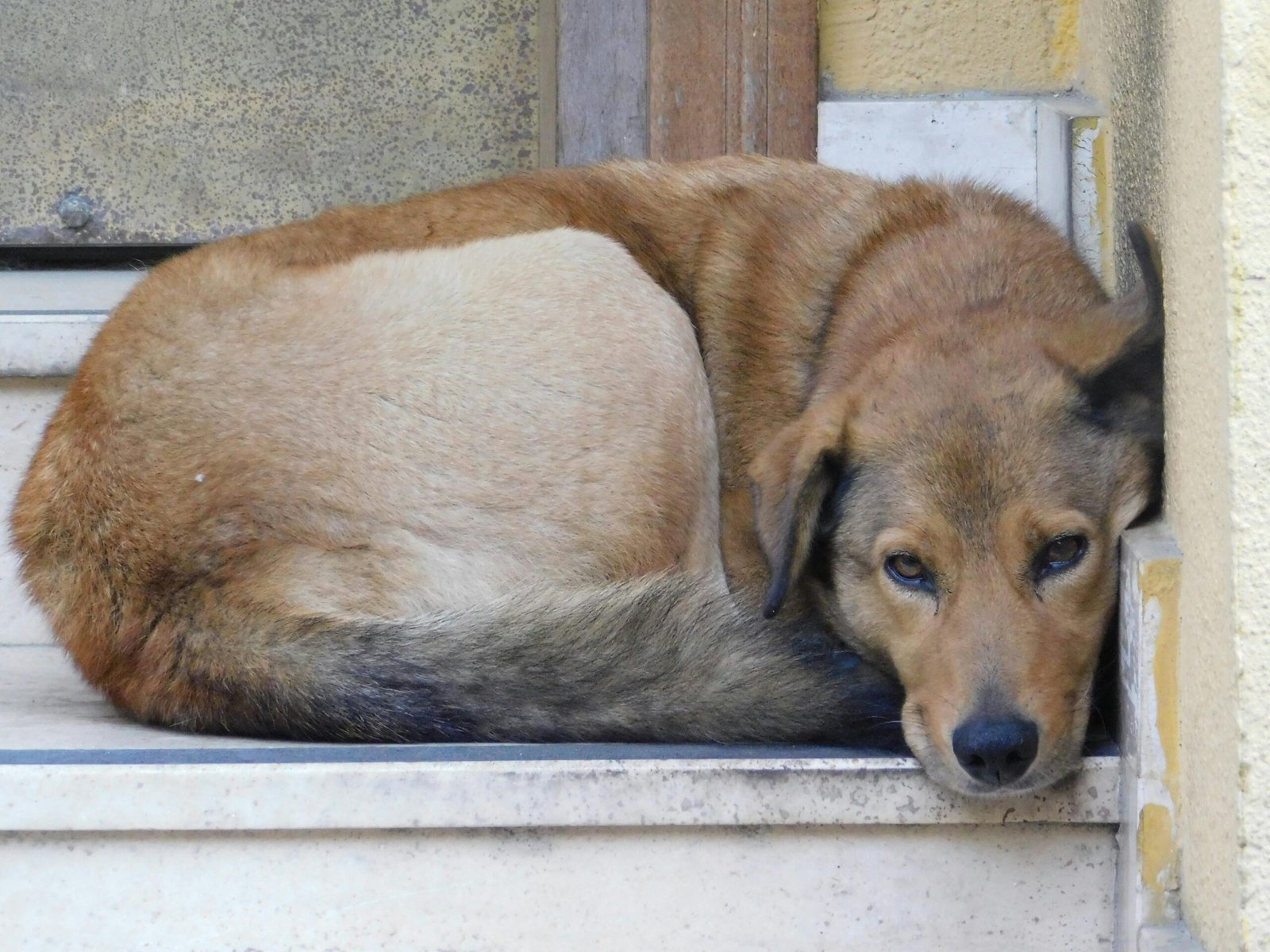
Understanding why UTIs develop in dogs helps you support your dog’s health before small issues become painful problems. Many pet parents feel confused when their dog suddenly shows signs of urinary discomfort because the cause often hides deep inside the urinary system. Dogs don’t tell you when something feels wrong, so you rely on knowledge, observation, and a bit of detective work. When you recognise what triggers these infections, you help your dog avoid unnecessary pain and repeated vet visits.
Below are the most common reasons UTIs appear in dogs, described in a friendly way that helps you understand your dog’s body better.
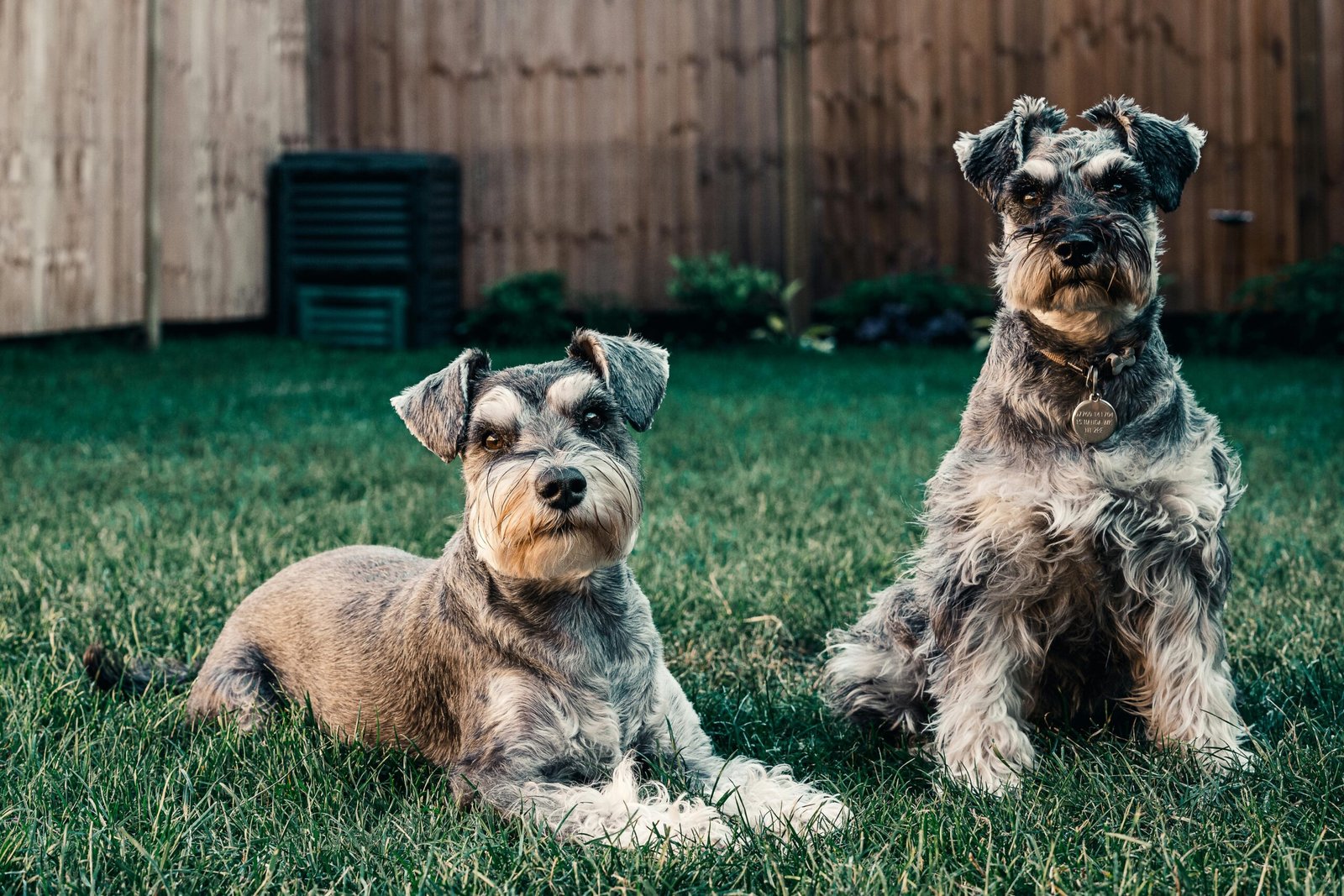
Most cases of UTI in dogs start when bacteria sneak into the urinary tract from the outside. Your dog’s urinary system normally fights bacteria well, but sometimes these tiny invaders climb upward and cause trouble. You may not notice how easily bacteria reach the bladder, especially when your dog plays outside or explores areas with dirt or moisture.
Dogs often pick up bacteria during normal daily activities. When your dog licks their private area, rolls in the grass, or drinks from questionable outdoor puddles, bacteria can move closer to the urethral opening. Once inside, they multiply quickly, causing inflammation, discomfort, and the typical symptoms you recognize as infection.
Female dogs experience UTIs more often because their urethra is shorter, giving bacteria a shorter path to travel. Male dogs get UTIs too, but they usually develop for different reasons, such as blockages or underlying conditions. Either way, bacterial growth creates irritation, and your dog feels the effects with every bathroom trip.
Proper hygiene helps reduce bacteria buildup. Simple habits like keeping the area clean, trimming fur around sensitive zones, and avoiding dirty water help you protect your dog from unnecessary infections.
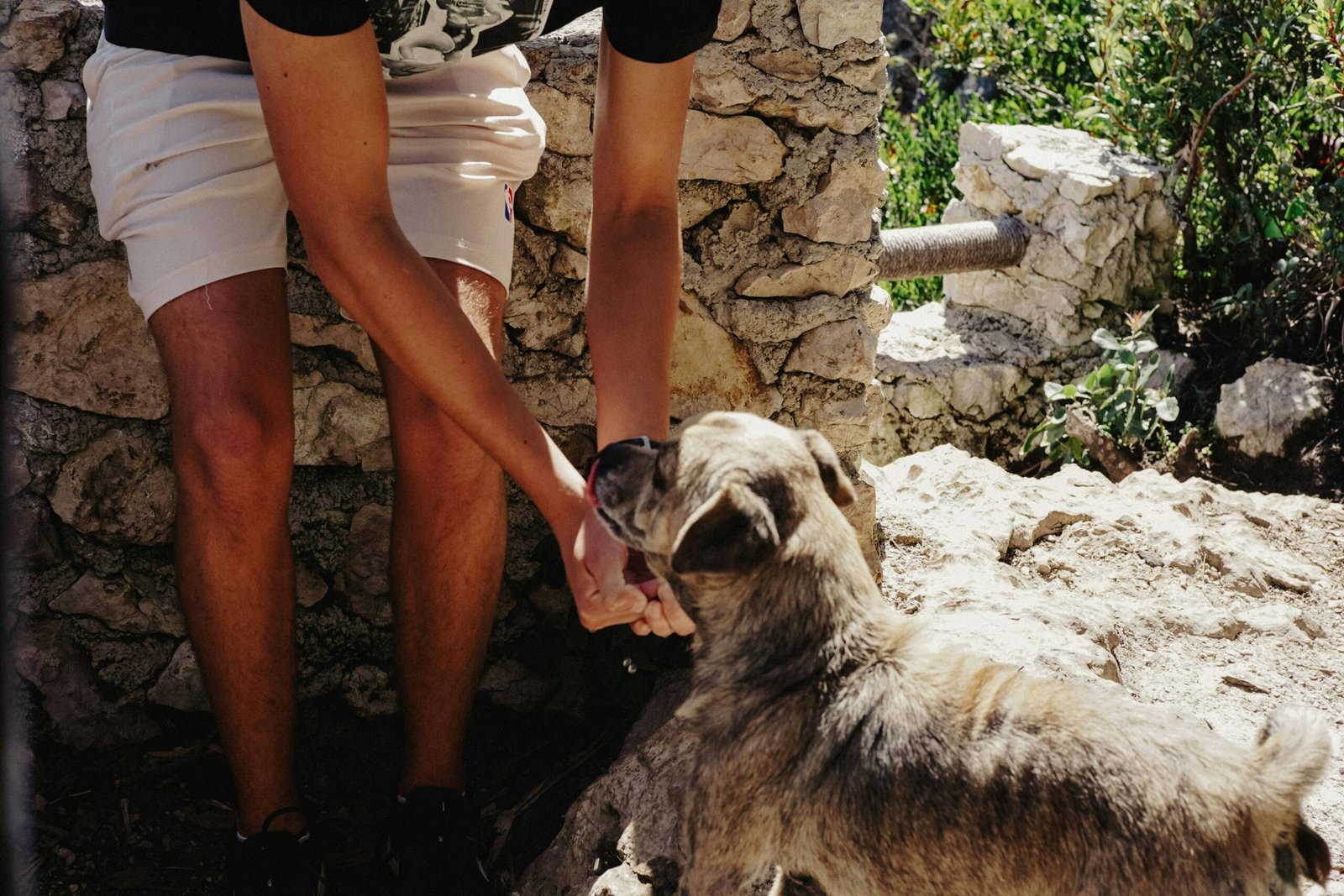
Sometimes urinary tract infection develops simply because your dog isn’t drinking enough water. When dogs stay dehydrated, their urine becomes concentrated and bacteria multiply more easily. Stronger urine irritates the bladder lining and creates a perfect environment for bacterial growth.
Dogs who drink very little water throughout the day may struggle to flush out bacteria naturally, which increases the risk of infection. You might not notice dehydration at first because many dogs drink quietly and unpredictably. Hot days, long walks, salty treats, or stressful moments all reduce hydration without you realizing it.
Encouraging better hydration helps keep your dog’s bladder clean and healthy. Fresh, cool water boosts urine flow and helps your dog’s body wash away unwanted bacteria before they can cause serious inflammation. Small changes, like adding ice cubes or offering a second water bowl, make a big difference.
Another reason uti in dogs develops involves deeper health issues that weaken the urinary system. Dogs with conditions like diabetes, kidney disease, bladder stones, or Cushing’s disease have a higher chance of developing infections. These health problems change urine chemistry, reduce immune strength, or alter bladder function, which helps bacteria grow faster.
You may not notice underlying issues right away because many conditions progress quietly. A dog with diabetes drinks more water and pees more often, which sometimes hides symptoms of a urinary infection. Bladder stones scratch the bladder lining and create perfect hiding spots for bacteria. Kidney problems reduce filtering ability, making infections harder to fight.
Your vet helps identify these deeper issues with urine tests, blood work, and diagnostic scans. Addressing the root problem lowers infection risk and keeps your dog’s urinary system healthier long term.
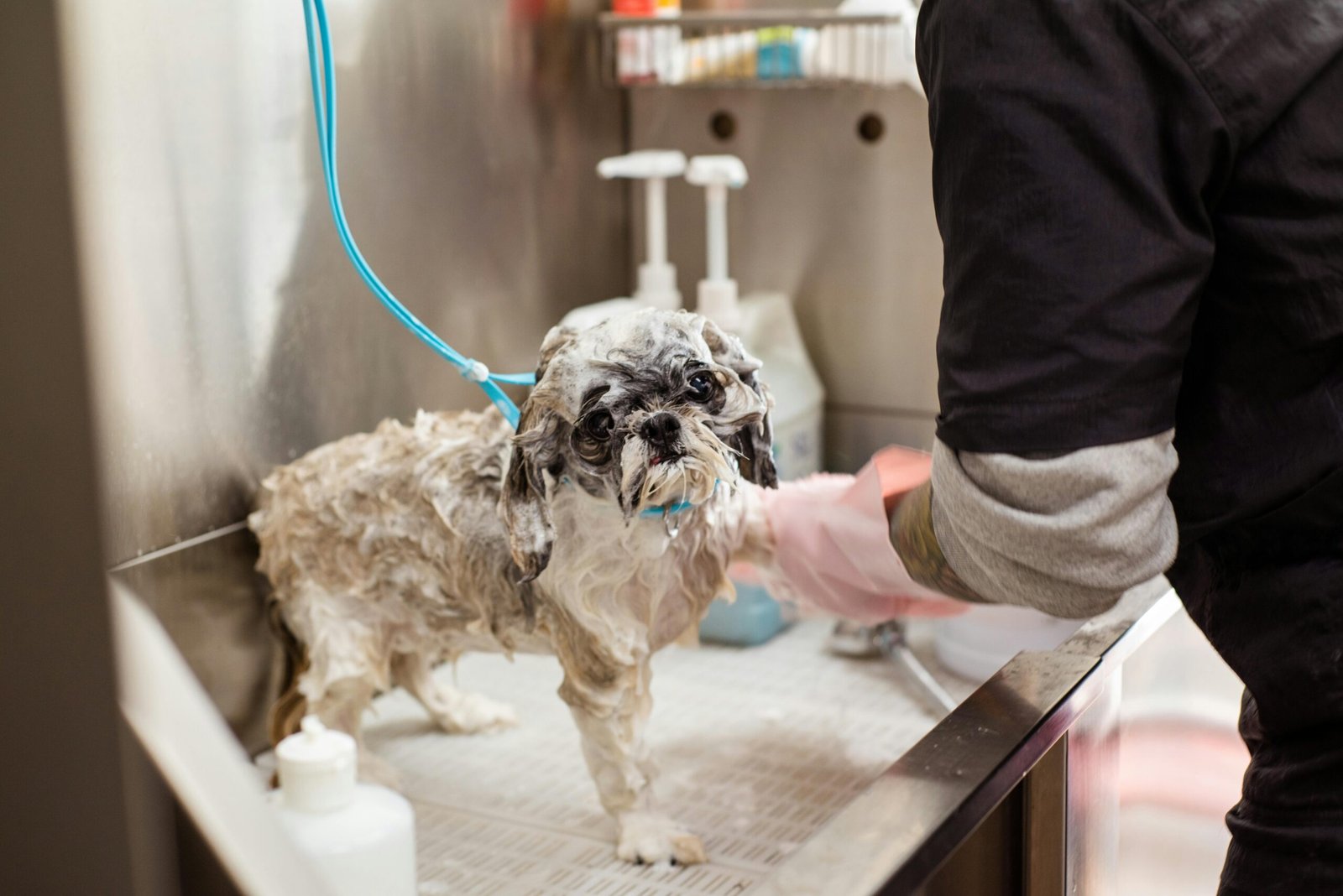
Dogs with long fur around their private areas experience more hygiene challenges, especially when the fur collects dirt, moisture, or leftover urine. This buildup encourages bacteria growth, which increases the risk of lower urinary tract infections. Your dog may appear clean on the outside, but hidden moisture creates an inviting environment for unwanted germs.
Poor hygiene becomes especially problematic in older dogs or dogs with mobility issues. These dogs may struggle to groom themselves properly, leading to more bacteria near the urethra. Overweight dogs also face similar challenges because skin folds trap moisture and make cleaning harder.
Gentle grooming habits help protect your dog from unnecessary irritation. Regular baths, trimming long fur, and wiping after outdoor play help limit bacterial access to the urinary tract. These small steps support overall dog health and prevent infections from developing quietly.
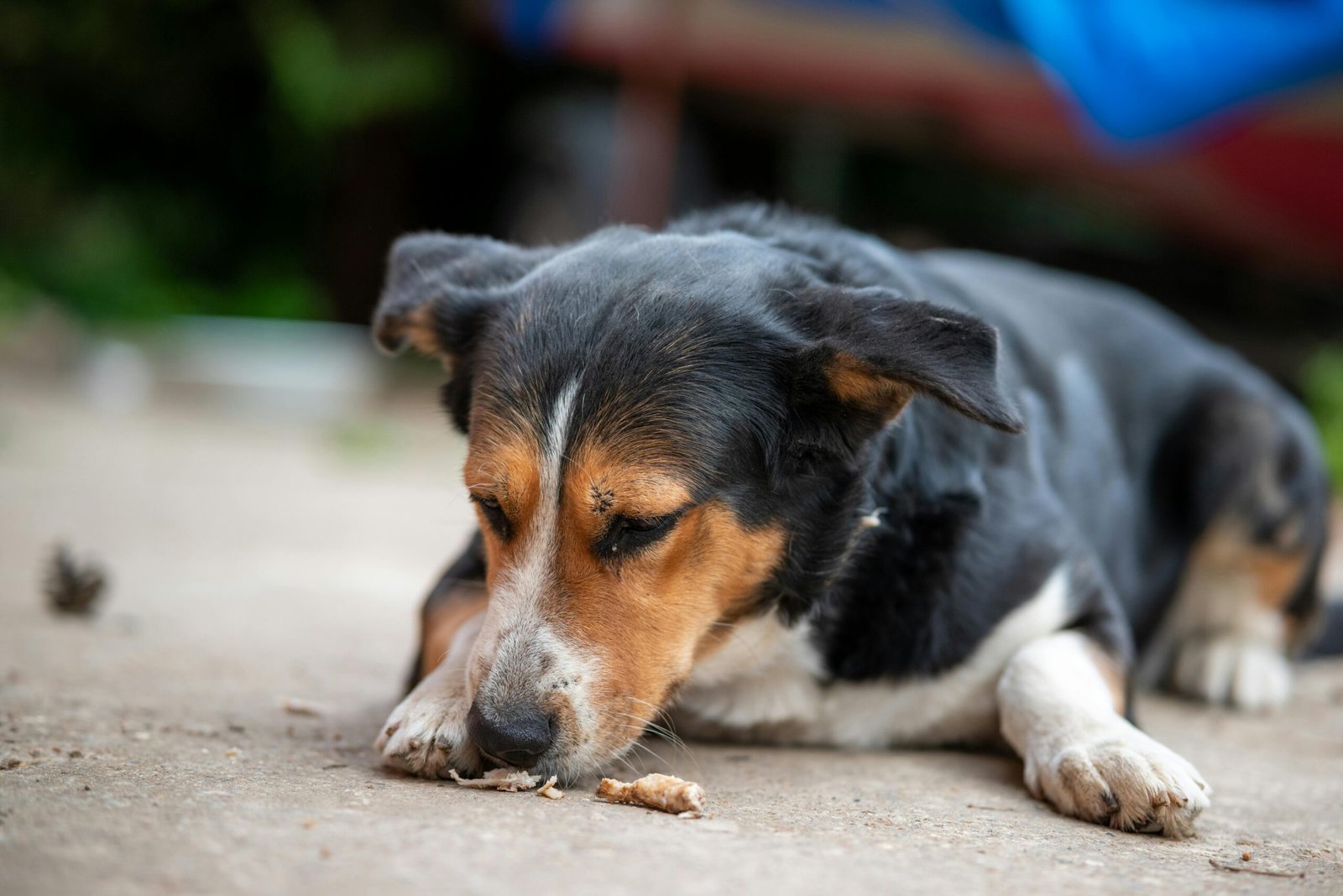
Your dog’s immune system normally keeps harmful bacteria away from the bladder. However, when immunity weakens, infections develop more easily. Aging dogs, stressed dogs, pregnant dogs, and recovering dogs all face temporary drops in immune strength.
A weakened immune system makes it harder for the body to fight off bacteria that enter the urinary tract. Even mild exposure becomes enough to trigger a urinary infection, leading to inflammation and discomfort during bathroom trips.
Supporting your dog with good food, consistent routines, regular exercise, and low stress helps keep their immune system strong. A healthy immune response keeps the urinary system protected and lowers the chance of recurring infections.
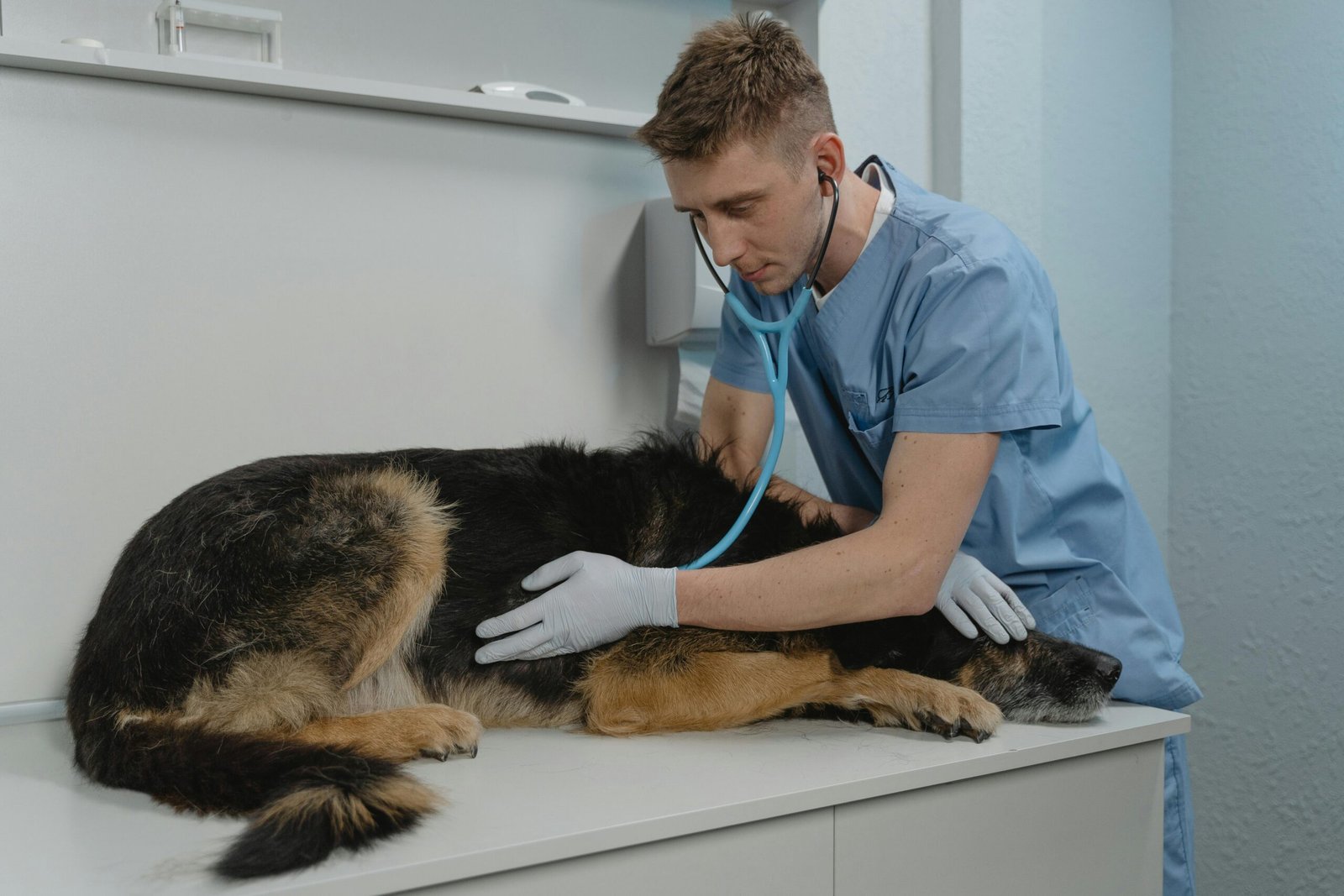
Most urinary infections start mildly, but sometimes things escalate much faster than you expect. When you understand when symptoms become an emergency, you protect your dog from serious complications and painful situations. Your dog trusts you completely, so noticing these warning signs early helps you act quickly before things get worse. Even though UTIs are common, they sometimes turn into dangerous conditions that require urgent care.
Below are the signs that tell you it’s time to stop waiting and seek immediate help.
One of the scariest signs of UTI in dogs becoming dangerous happens when your dog struggles to pee. You might see your dog squatting repeatedly but producing almost nothing. Your dog may also pace, cry, or appear frustrated because the urge to pee feels strong, but nothing comes out.
This situation can be more than a simple urinary infection. It can indicate urinary blockage, especially in male dogs, because their urethra is narrower. A blockage stops urine from leaving the body and quickly becomes life-threatening. When urine builds up inside the bladder, toxins accumulate and hurt the kidneys, causing deeper health problems.
If your dog tries again and again to pee with little or no result, you should treat it like an emergency. This symptom doesn’t fix itself, and waiting too long can lead to severe pain or organ damage. Getting help immediately keeps your dog safe and prevents complications that become harder to treat.
Seeing bloody urine can feel alarming, and you’re right to take it seriously. Light pink, bright red, or rusty-colored pee often signals a worsening urinary infection. When bacteria irritate the bladder lining, small blood vessels break, causing blood to appear in the urine. This sign shows that inflammation is increasing, and your dog feels uncomfortable with every trip outside.
Sometimes dark brown or very strong-smelling urine also suggests deeper problems like bladder inflammation or even the start of a kidney infection. You may notice your dog licking their private area more often because the irritation becomes harder to ignore. Even if your dog looks energetic, blood in the urine always deserves immediate attention.
Getting quick treatment prevents the infection from climbing into the kidneys, where it becomes more dangerous and harder to treat. Clean urine means a healthy urinary system, so anything pink or red signals a need for urgent medical care.
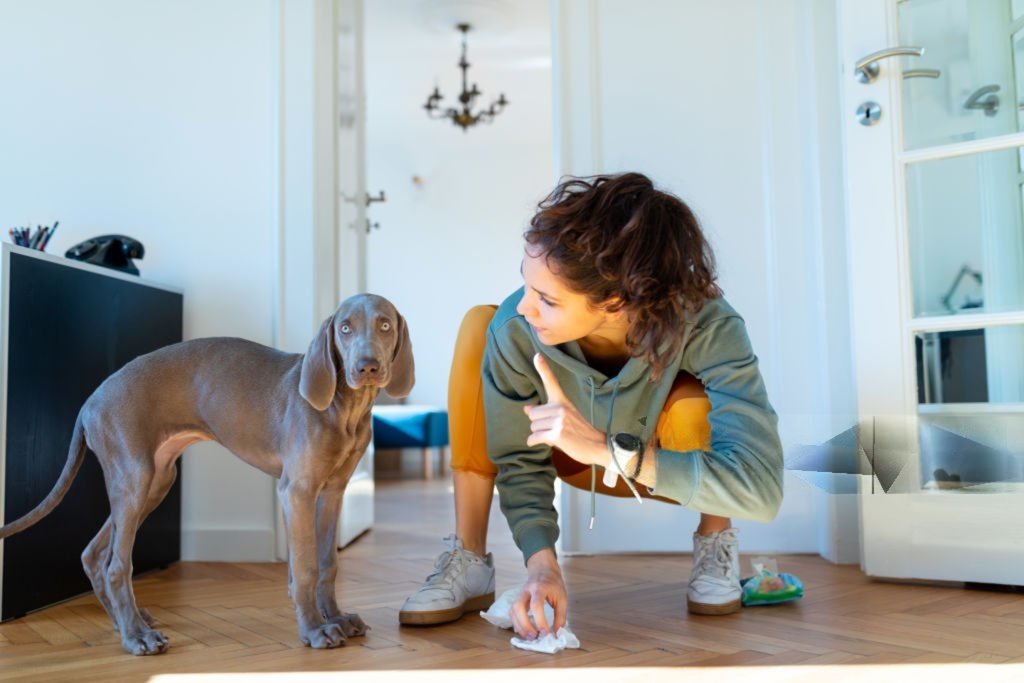
Sometimes a simple urinary infection spreads upward into the kidneys, causing symptoms that affect your dog’s entire body. When this happens, you may notice fever, vomiting, shaking, or sudden weakness. Your dog may refuse food, drink less water, or seem exhausted even with little activity.
These symptoms indicate that the infection is no longer limited to the lower urinary tract. Instead, bacteria may have entered the bloodstream, causing a dangerous condition that needs fast treatment. Dogs with weakened immune systems, seniors, and dogs with chronic health issues face higher risks when infections spread.
If your dog looks sick overall, doesn’t want to move, or suddenly seems unusually tired, take it seriously. Kidney infections are painful and progress quickly without treatment. Fast medical care prevents further inflammation, dehydration, and long-term damage.

Your dog may not understand what’s happening, so they rely on you to notice discomfort. When urination becomes painful, your dog might whine, yelp, or avoid peeing altogether. Pain usually means the bladder or urethra is inflamed, irritated, or blocking urine flow.
You might also notice tense body posture, tail tucking, or hiding behavior because pain makes your dog fearful. Some dogs even snap or growl when touched near the belly because of bladder pressure. This discomfort shouldn’t be ignored because it suggests the infection is causing significant inflammation.
Pain is your dog’s way of saying something is wrong. When urination hurts, the situation has moved beyond a mild infection, and immediate attention prevents complications.
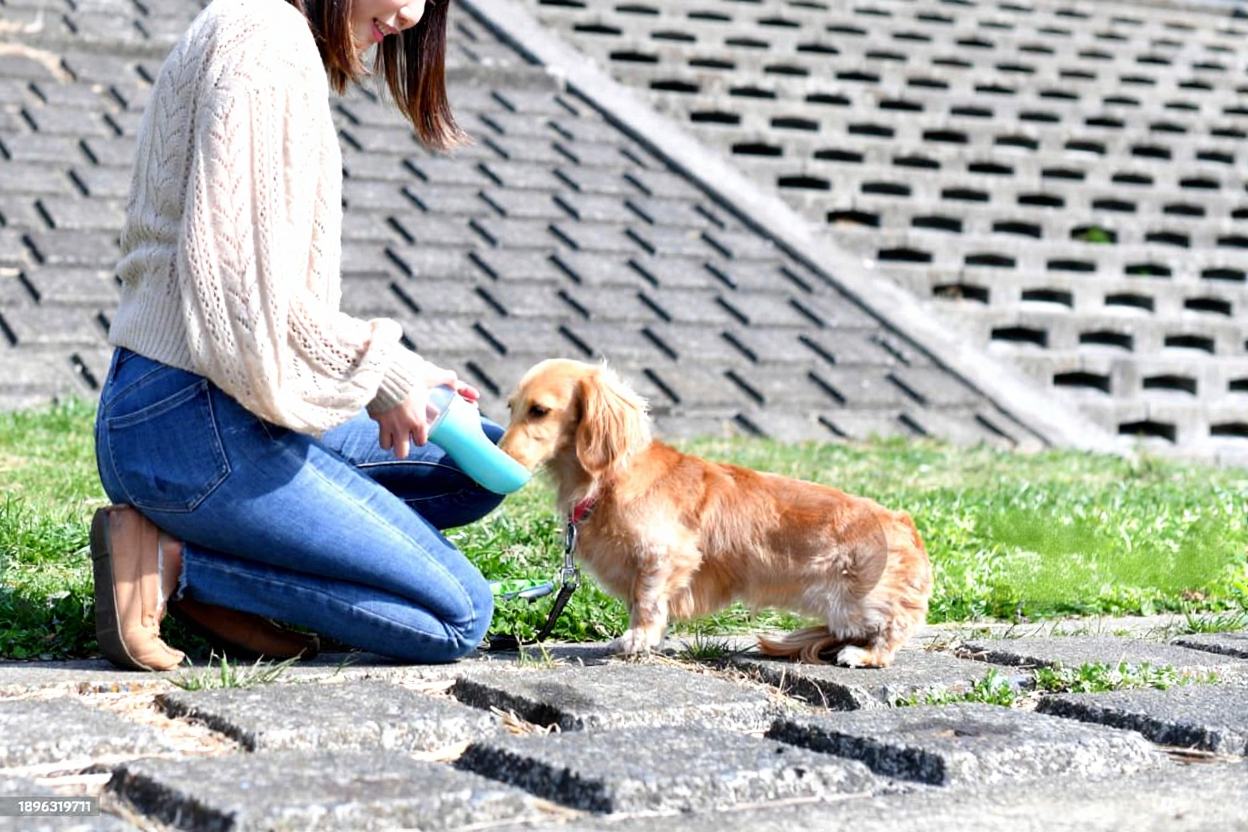
Another emergency sign appears when your dog drinks more water but still produces only small amounts of urine. Excessive drinking happens when the body tries to flush bacteria out, while low urine output means something is preventing proper flow.
This combination can indicate blockage, dehydration, or early kidney stress. The body fights the infection harder, but the urinary system can’t function normally. Your dog may appear restless, uncomfortable, or confused due to rising toxin levels.
Because changes in urine volume affect the whole body, these symptoms require urgent evaluation. Early treatment improves recovery and helps your dog feel better faster.
Sometimes your dog’s bladder becomes dangerously full because urine cannot pass normally. You may see a swollen abdomen or notice urine leaking unintentionally. This happens when pressure becomes too high and the bladder struggles to hold more liquid.
Leaking urine is often mistaken for behavior issues, but in reality, it can signal severe bladder inflammation or loss of urinary control. Bloated bellies are especially dangerous because they sometimes indicate complete blockage or internal infection spread.
These signs should always be treated as an emergency. A full bladder can rupture if ignored, and that becomes a life-threatening situation immediately.
Once your dog recovers from a urinary issue, you probably want to avoid going through the same stressful experience again. Preventing UTI in dogs is completely possible when you make a few simple habits part of your dog’s daily routine. You help your dog stay comfortable, confident, and healthy when you focus on small preventive steps that protect the bladder and urinary tract. Many of these habits are easy to start, and they work quietly in the background to support long-term health.
Below are the most effective ways to stop future infections before they start.
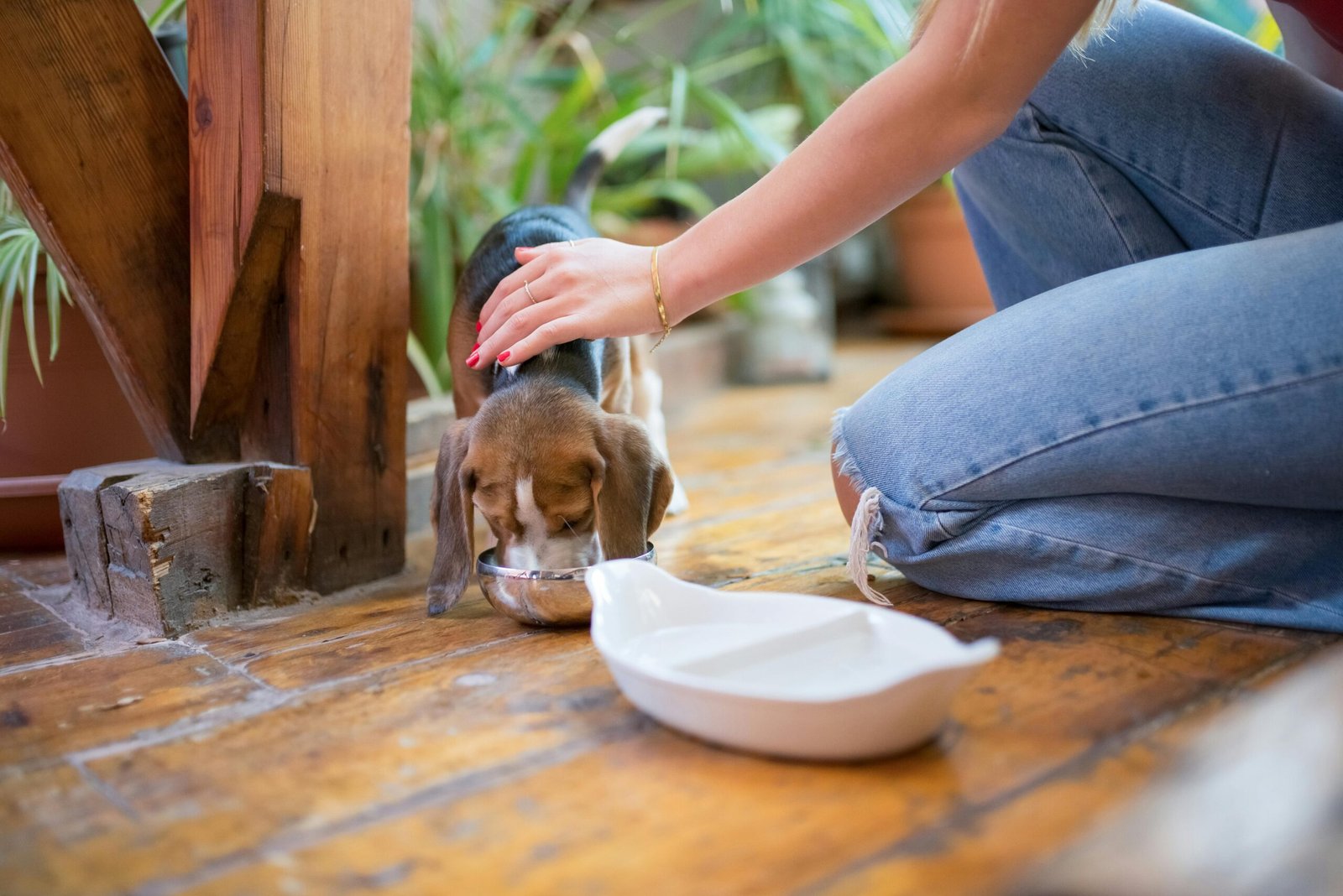
Proper hydration is one of the best defenses against urinary infections. When your dog drinks enough water, bacteria flush out naturally and cannot settle in the bladder. But many dogs forget to drink unless you encourage them, especially during busy or warm days.
You help your dog stay hydrated by keeping fresh water available in easy-to-reach places. Placing multiple bowls around the house gives your dog reminders to drink more often. Dogs enjoy variety, so offering cold water, lightly flavored water, or even broth helps boost daily intake.
Hydration plays a huge role in preventing UTI in dogs because it dilutes urine and reduces irritation. Concentrated urine becomes sticky inside the bladder, making it easier for bacteria to grow. When you keep your dog’s urine light and clear, the urinary system works more smoothly.
If your dog doesn’t drink much, try switching to a water fountain. The sound of moving water attracts many dogs and encourages natural sipping. Adding water to meals helps too, especially for dogs who prefer dry kibble. Each small change strengthens urinary health more than you might expect.
Holding urine for long periods creates the perfect environment for bacteria. When urine stays inside the bladder too long, bacteria multiply and spread through the urinary tract. You can prevent this by giving your dog more opportunities to relieve themselves throughout the day.
You create a healthy routine by offering potty breaks every four to six hours. Puppies and senior dogs often need more frequent trips because their bladders work differently. Encouraging regular bathroom habits protects bladder health and reduces daytime accidents.
Dogs who stay indoors for long hours sometimes ignore the urge to pee, especially if they feel shy or anxious. You help by making potty breaks calm and predictable. A spacious yard, a quiet sidewalk, or a familiar pee spot helps reduce hesitation.
Supporting regular elimination reduces the chances of bladder inflammation, discomfort, and repeated infections. It’s one of the simplest habits with the biggest impact on long-term urinary care.
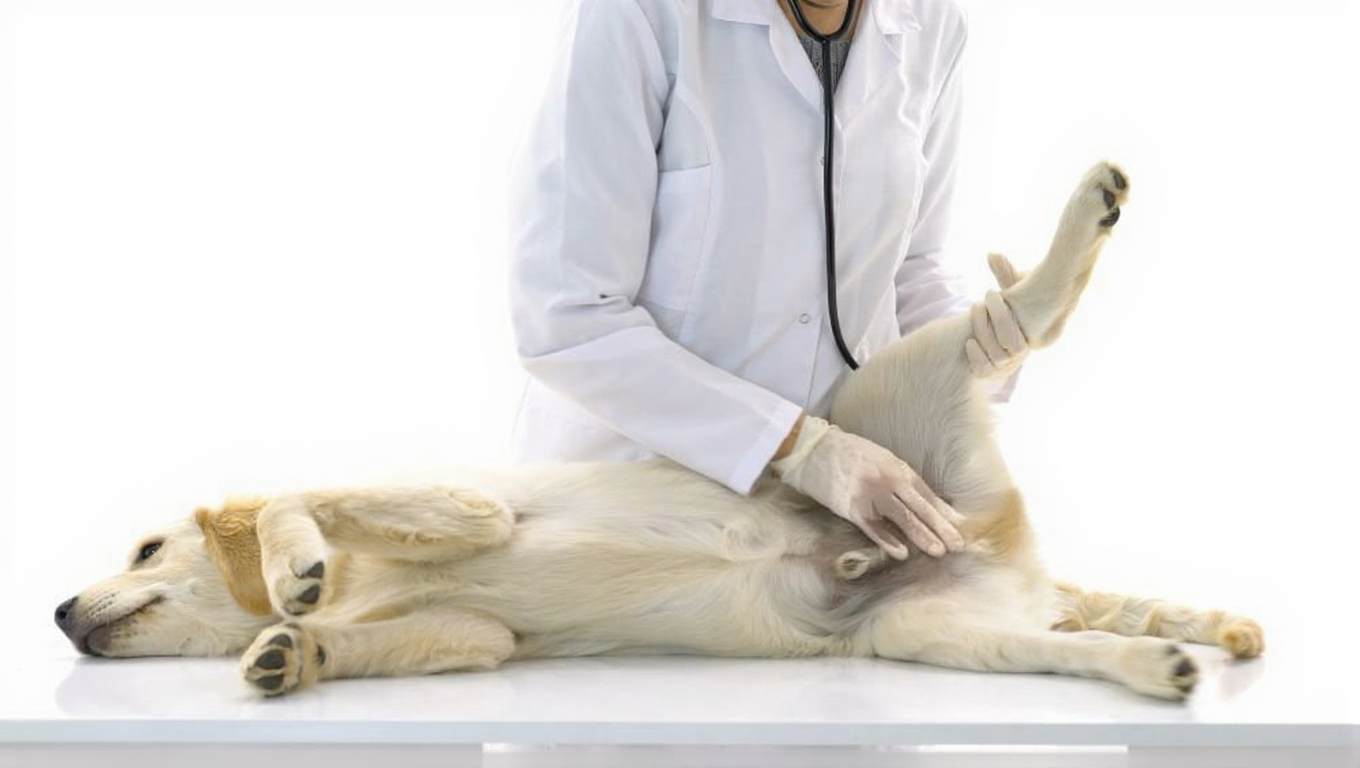
Good hygiene protects your dog from irritation that leads to infection. Dirt, debris, or dried urine around the genital area increases the risk of bacteria entering the urethra. This problem affects female dogs more often, but all dogs benefit from a clean routine.
You help prevent irritation by gently wiping your dog’s private area after muddy walks, swimming sessions, or bathroom trips in messy locations. Long-coated dogs may need trims around the area to prevent matting, moisture buildup, or hidden debris.
Clean bedding and fresh sleeping spots also help support a healthy urinary system. Wash blankets often and replace soiled pads quickly, especially if your dog drools or sheds heavily. A clean environment reduces the risk of bacteria spreading from the body to the urinary tract.
This hygiene routine only takes a few minutes daily, but it does wonders for preventing recurring UTI in dogs and keeping your dog comfortable year-round.
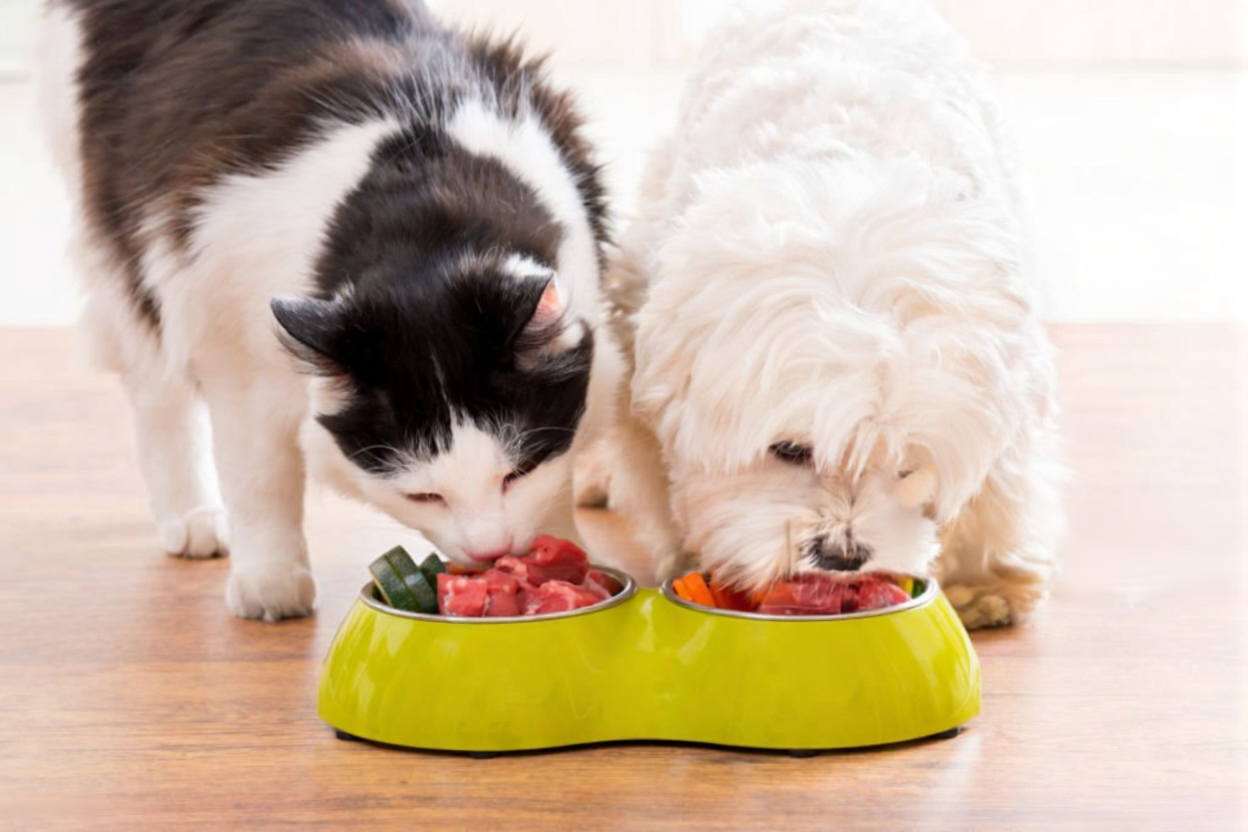
You might not realize how much your dog’s diet influences their urinary health. Certain foods help balance urine pH, reduce inflammation, and support bladder lining. Other foods may irritate your dog’s urinary system or cause mineral buildup that leads to recurring infections.
Choosing a high-quality, balanced diet helps your dog’s body function smoothly. Wet food delivers extra moisture, which keeps urine diluted and reduces bladder irritation. Adding dog-safe veggies like carrots or cucumbers can help increase hydration while providing nutrients.
Some dogs benefit from supplements designed for urinary health. These products may include cranberry extract, D-mannose, probiotics, or antioxidants that support bladder strength and bacterial balance. Before choosing supplements, talk to your vet, so you know what works best for your dog’s specific needs.
Healthy nutrition supports the entire urinary system, making infections less likely and recovery easier if issues ever return.
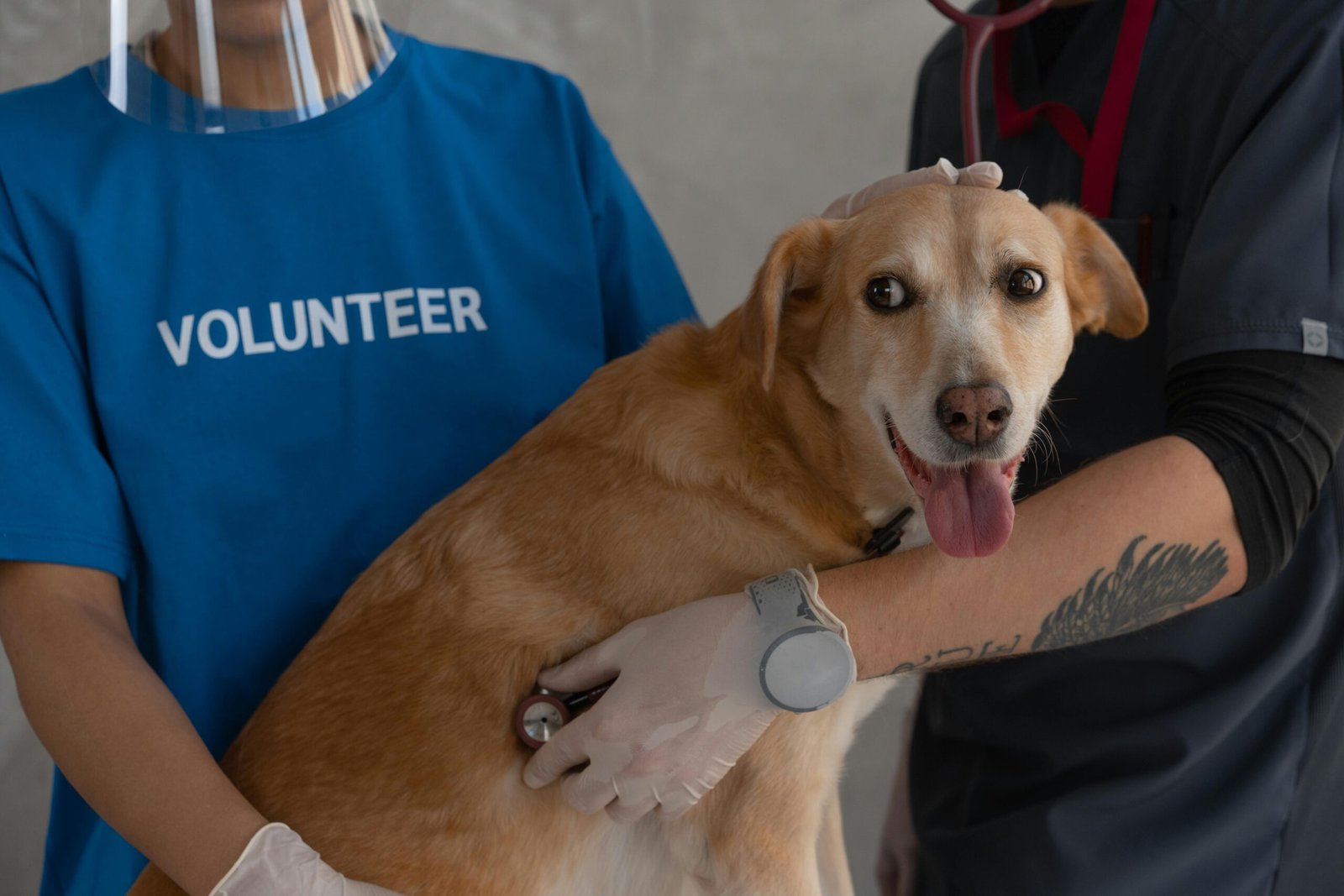
Even when your dog seems healthy, routine vet visits play a big role in preventing future infections. Some urinary problems develop quietly before symptoms appear. A simple urinalysis helps identify early signs of bacterial imbalance, crystals, or inflammation.
Your vet can also check for underlying conditions that make UTIs more likely, including diabetes, kidney issues, or bladder stones. When you address these problems early, your dog stays healthier and more comfortable.
Regular exams help track long-term urinary health and adjust preventive care when needed. Your vet becomes your partner in keeping your dog protected from recurring infections.
Prevention also means paying attention. Dogs often show subtle changes long before a full infection develops. If you notice unusual bathroom habits, frequent licking, cloudy urine, or early discomfort, act sooner rather than later. This habit prevents minor irritation from turning into a painful infection.
You know your dog’s habits best, so trust your instincts. When you notice early symptoms and respond quickly, you protect your dog from deeper infections and reduce the need for urgent treatment.




Leave a comment