0 Items
No products in the cart.
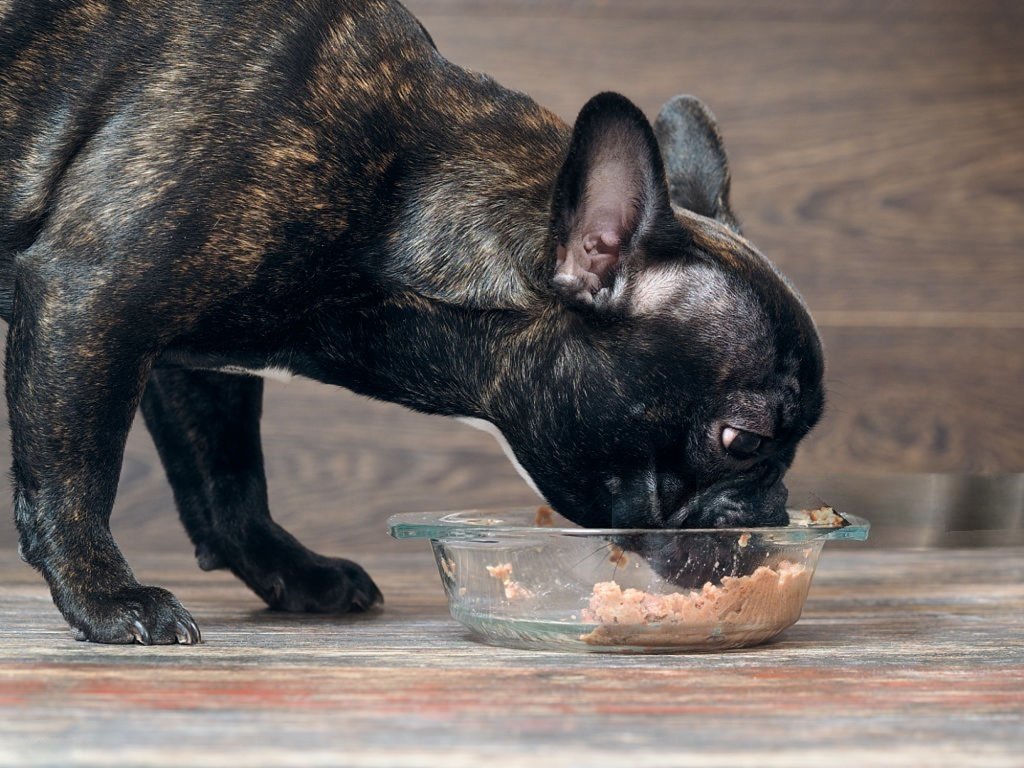
Feeding your dog a raw diet sounds simple, but the nutrition behind it deserves a little extra attention. When you understand the basics, you feel more confident about every meal you prepare. Raw dog food for dogs becomes easier to plan when you know which nutrients matter most and how they support your dog’s body. You don’t need to be a scientist to understand raw nutrition. You only need a little guidance, some awareness, and a willingness to learn what helps your dog thrive.
Below is a friendly breakdown of raw diet nutrition that helps you understand what goes into every fresh bowl.
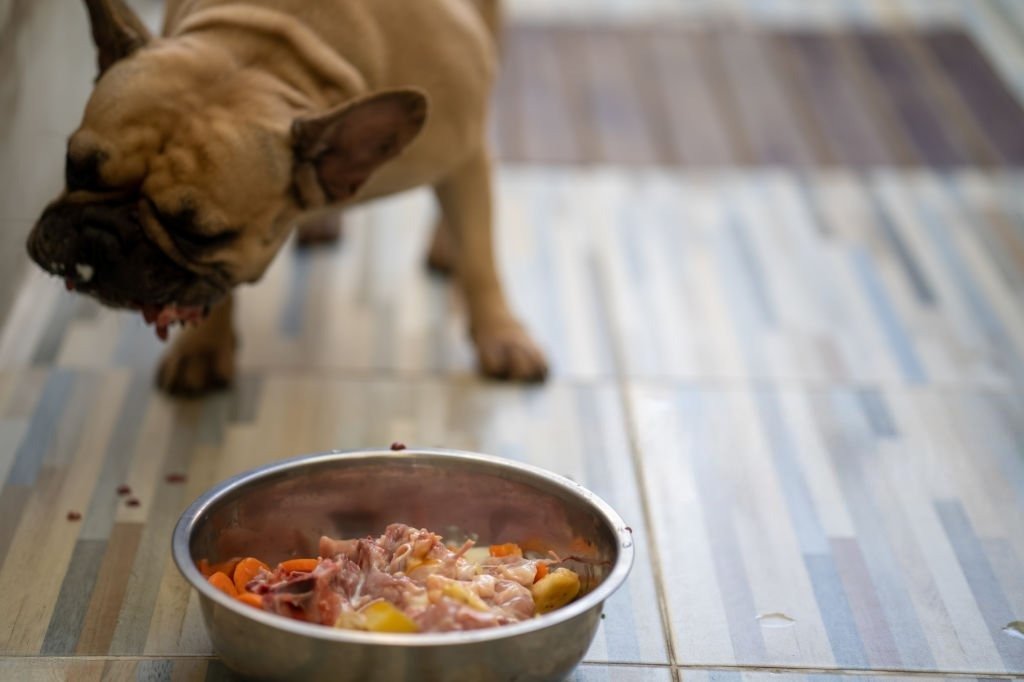
Dogs often respond well to fresh, unprocessed food because it gives them nutrients in their natural state. You may notice better digestion, shinier fur, and improved energy when you switch to fresh meals. Many commercial kibbles use heat, fillers, and additives that change the natural nutrient profile. Raw feeding avoids that by offering ingredients closer to what dogs ate long before modern pet food existed.
Fresh meat, organs, and bones give your dog essential proteins, fats, and minerals. These nutrients support muscle strength, immune balance, and overall vitality. When you give dogs raw ingredients, you let their bodies absorb nutrients more effectively because the food remains structurally intact and rich in natural enzymes. These enzymes help your dog digest food smoothly and utilize more nutrients from each bite.
Raw dog food for dogs also tends to be less processed, which means fewer unnecessary carbohydrates. Many dogs do better with moderate carbs instead of heavy filler content. You help your dog when you choose meals that match their natural biology and feeding instincts.
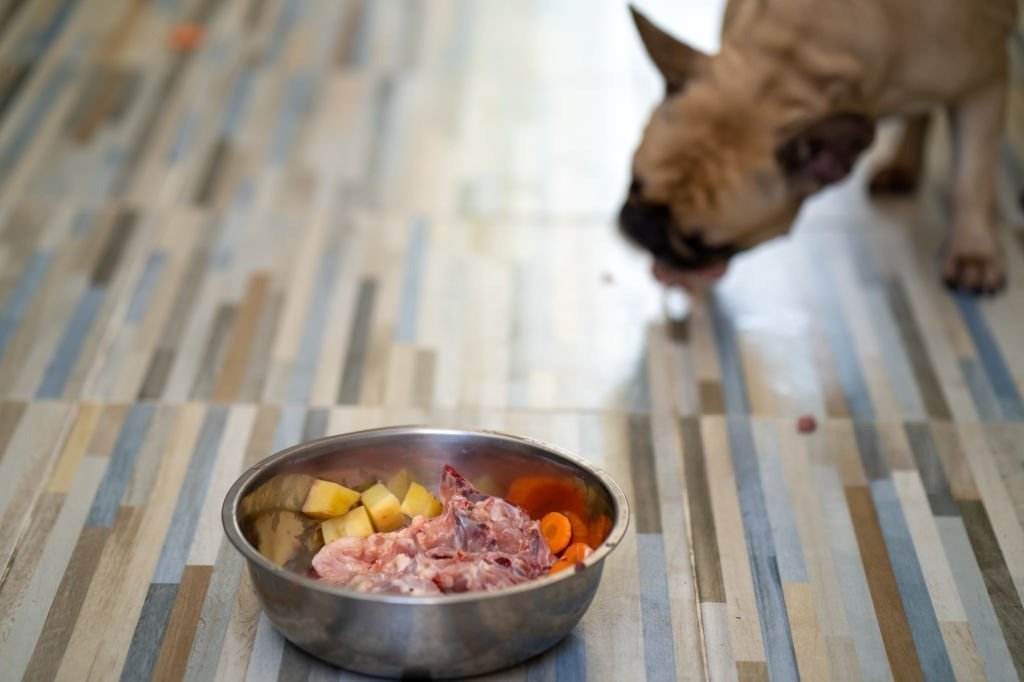
One of the key concepts in raw feeding involves balancing meat, bones, and organs correctly. The right combination protects your dog from nutrient imbalances and digestive issues. You don’t need to stress about perfection, but understanding the general ratio helps you prepare safer meals.
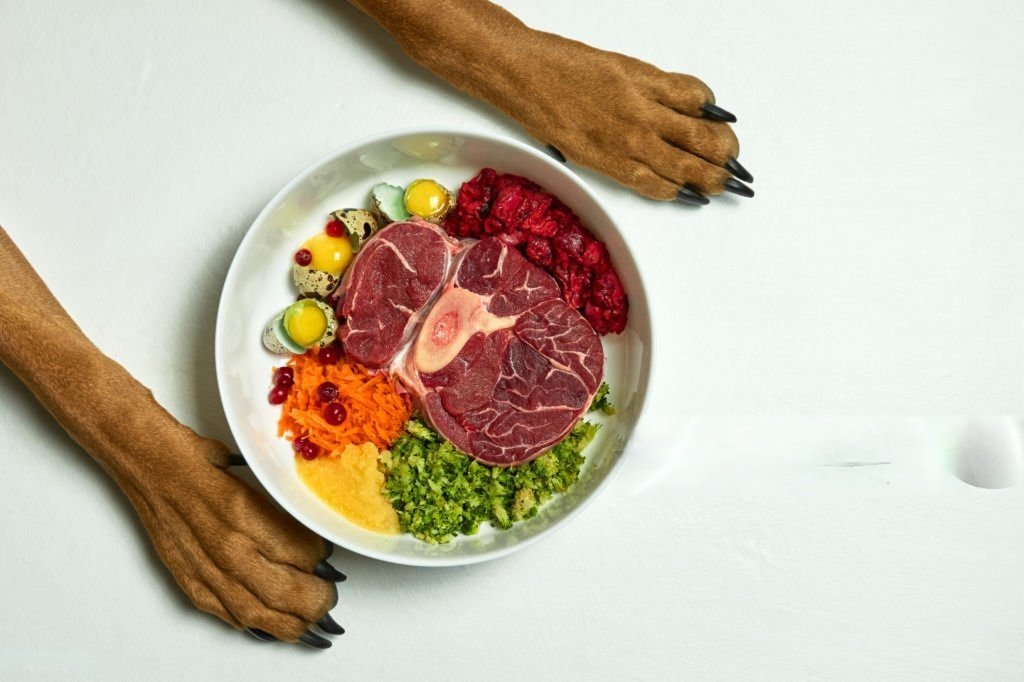
Most raw feeders use a simple structure known as the 80/10/10 model. This means 80% muscle meat, 10% edible bone, and 10% organ meat. Muscle meat delivers protein and essential amino acids that support growth, repair, and everyday energy. Bone gives your dog calcium, phosphorus, and structural minerals needed for strong joints and teeth. Organs fill in the missing gaps by providing vitamins, iron, copper, and powerful nutrients that keep your dog’s body running smoothly.
If you skip organs, you may cause nutrient shortages because organs contain vitamins that regular meat lacks. If you add too much bone, your dog may deal with constipation. When you find the correct balance, your dog digests food easily and absorbs nutrients more efficiently. This balanced mix is one of the reasons raw diets help dogs feel healthier and more comfortable.
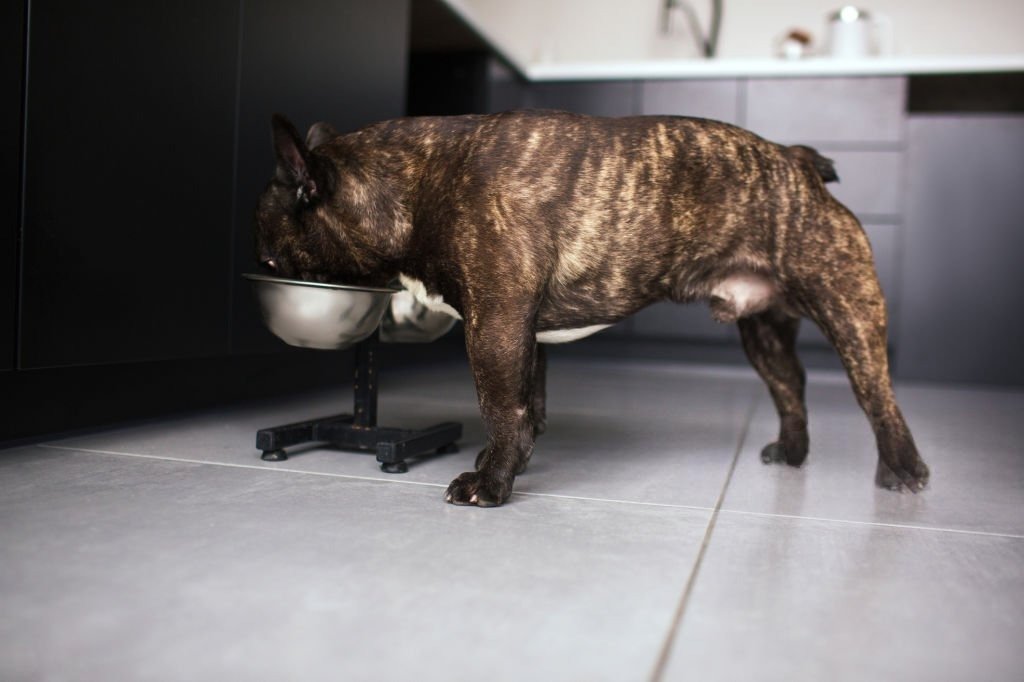
Just like you, your dog needs a complete nutrient profile to stay healthy. Protein is the most important part of raw dog food for dogs because it helps build muscle, repair tissue, and fuel daily activity. You can use many protein sources, such as chicken, turkey, beef, lamb, duck, or fish. Variety helps your dog get a wider range of amino acids and micronutrients.
Healthy fats also play a major role in raw feeding. Omega-3 fatty acids support skin health, coat shine, joint function, and inflammation control. You may use fish like sardines or salmon to boost these healthy fats. Balanced fat intake also keeps your dog satisfied after meals and provides long-lasting energy.
Dogs also need vitamins and minerals to support their immune system, organ health, and metabolic functions. Organ meats provide many of these nutrients naturally. Trace minerals like zinc, magnesium, and manganese help with healing, energy production, and bone strength. These minerals often come from meats, bones, and certain raw ingredients that contain natural mineral deposits.
Fiber also matters, even though raw diets often focus on meat-based nutrition. Small amounts of blended vegetables or leafy greens help your dog maintain healthy digestion. Fiber adds bulk, supports gut bacteria, and keeps bowel movements regular. You don’t need much, but you benefit your dog when you add small amounts of natural fiber sources.
Feeding raw becomes easier when you understand what not to do. Many beginners add too much bone because they assume more calcium is always good. This often leads to hard stools or constipation. You help your dog when you stay close to balanced ratios and adjust gradually.
Some owners forget the importance of organ meat because it looks unfamiliar or strong-smelling. But organs are a vital part of raw dog food for dogs. Without them, you risk vitamin deficiencies that affect your dog’s coat, immunity, and energy.
Another mistake involves relying on one protein source for too long. Dogs thrive on variety because different meats offer unique nutrient profiles. When you rotate proteins, you keep meals interesting and nutritionally complete.
Lastly, always handle raw ingredients safely. Use clean surfaces, store meat correctly, and wash hands thoroughly. Safe handling protects both you and your dog from potential contamination.
When you first start learning about raw feeding, you’ll notice a long list of myths and warnings everywhere you look. Some people say it’s dangerous, some say it’s too complicated, and others act like you need a science degree to serve a bowl of fresh meat. These misunderstandings make raw dog food for dogs look scarier than it actually is. Once you understand the truth behind these myths, you feel more confident about feeding your dog in a natural and healthy way.
Below are the most common myths explained in a simple, easy way so you understand what really matters.
One of the biggest myths says raw diets can’t offer balanced nutrition. Many people assume raw feeding means tossing random meat into a bowl and hoping for the best. You may hear claims that dogs will miss essential nutrients or that a homemade diet cannot match commercial formulas.
In reality, balance is not only possible but also simple when you follow basic guidelines. Raw diets use muscle meat, organ meat, and edible bone to create a complete nutrient profile. These components deliver protein, minerals, vitamins, and natural enzymes that support healthy digestion and energy. Dogs get nutrients in a form their bodies understand because the food stays fresh and unprocessed.
You also have many helpful raw feeding models available. Some pet parents follow the whole prey model, while others choose the BARF model. Both methods offer structured ways to build a balanced raw meal that supports long-term health. You never need perfection from the first day. You learn slowly, adjust portion sizes, and watch your dog’s response along the way.
If you ever worry about balance, you can also use professional guidance. Many raw-friendly veterinarians and nutritionists help you design safe and complete meal plans. With the right routine, raw dog food for dogs becomes as balanced as any commercial diet.
Another popular myth claims raw feeding is unsafe because raw meat contains bacteria. You may hear people warn about salmonella, contamination, or food poisoning. While bacteria exist in raw meat, they rarely harm healthy dogs because dogs have stronger digestive systems built for natural meals.
Dogs have acidic stomachs, short digestive tracts, and powerful enzymes that handle bacteria far better than humans can. Their bodies evolved to process fresh meat, bones, and organs long before modern pet food existed. When you follow safe handling practices, you reduce risks even more.
Safe handling involves simple steps. You store meat properly, clean bowls, wash surfaces, and maintain hygiene. These habits are the same precautions you take when preparing your own meals. Many commercial raw dog food companies also freeze or treat meat to reduce bacterial growth before it reaches your home.
It’s also important to know that kibble can contain bacteria too, especially after extended storage. Every diet has risks when handled incorrectly. Raw diets are safe when prepared with care, good-quality ingredients, and proper storage. You protect your dog’s digestive health by choosing trusted suppliers and keeping meals fresh.
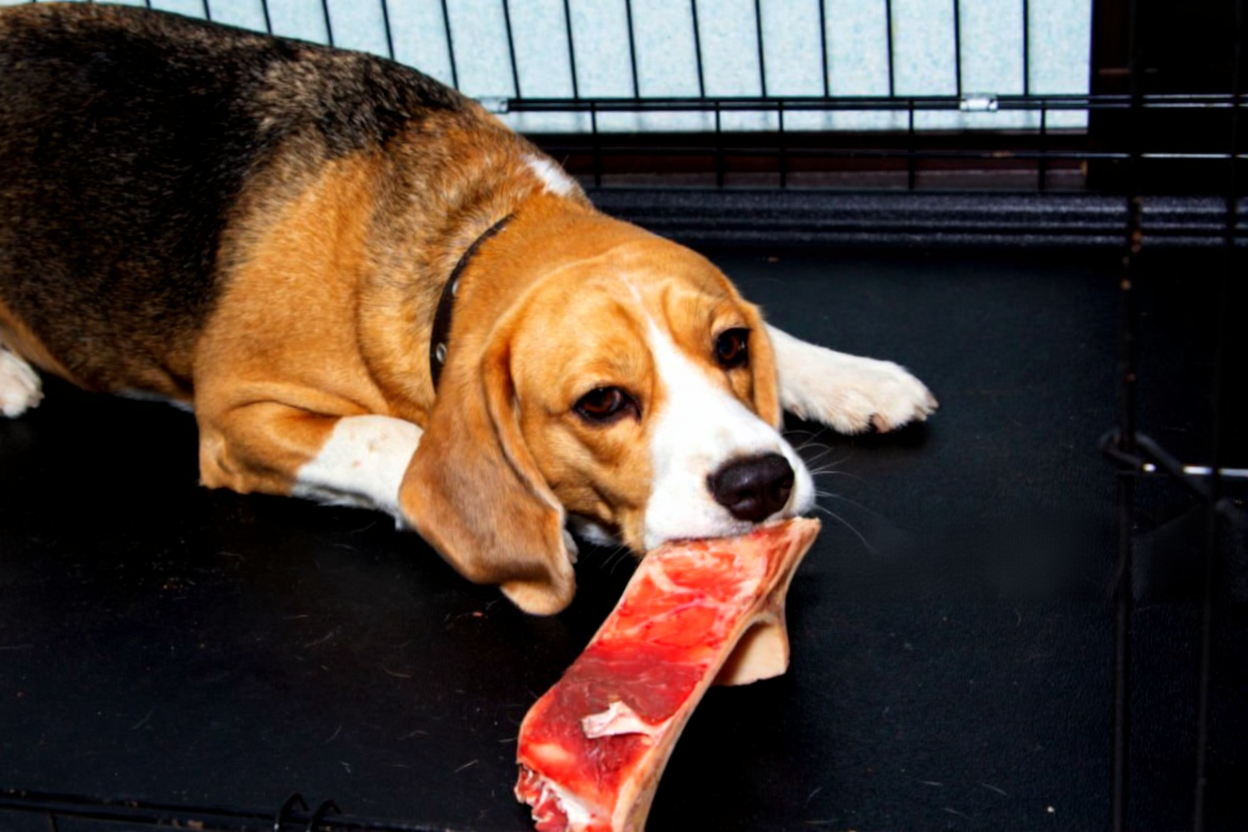
People often think bones are dangerous because they imagine cooked bones, which break easily and splinter. Cooked bones can create choking hazards or internal injuries, but raw bones behave very differently. Raw feeding uses soft, edible bones that bend under pressure and stay safe during chewing.
Raw bones provide calcium, phosphorus, and minerals needed for strong teeth and bones. They also help clean your dog’s teeth naturally because chewing removes plaque and strengthens jaw muscles. Dogs love chewing because it keeps them calm, busy, and mentally stimulated.
You only need to choose the right type of bone. Edible bones from poultry, rabbits, and similar animals suit most dogs because they are soft. Recreational bones, like beef marrow bones, are used for chewing but not eating. You supervise these sessions to avoid over-chewing.
Understanding bone types helps you avoid unnecessary fear. Raw dog food for dogs becomes safer when you offer appropriately sized bones that match your dog’s chewing habits. With thoughtful selection and supervision, bones become a helpful and enjoyable part of raw feeding.
Another myth claims raw feeding is only for experts or people with endless free time. Some people make raw feeding sound like a complex puzzle filled with calculations and expensive ingredients. But the truth is much simpler.
Raw feeding can be as easy or detailed as you want it to be. You can prepare meals at home or use ready-made raw diets sold by trusted brands. Many companies offer pre-balanced blends with the correct ratios of meat, bone, and organs. You simply open the package and serve, just like kibble, but fresher.
If you prefer homemade meals, you can still keep things simple. You follow basic raw feeding ratios, rotate proteins, and maintain hygiene. With practice, preparing a raw meal takes only a few minutes.
You also don’t need exotic meats or rare ingredients. Affordable options like chicken, turkey, beef, and organs create complete meals without extra stress. When you focus on consistency instead of perfection, raw feeding fits easily into daily life.

This myth appears everywhere but has no scientific basis. Eating raw meat does not make dogs aggressive. Aggression comes from fear, training issues, environment, or lack of socialization, not food.
Dogs eating raw dog food for dogs become energetic, satisfied, and calm because they receive nutrients that support brain function and emotional balance. Fresh food boosts mental clarity, gut health, and behavior because the body functions more smoothly.
Chewing raw bones also helps reduce stress and nervous habits. Many dogs become more relaxed because raw feeding encourages natural chewing patterns that keep them focused and content.
Starting a raw diet can feel exciting, confusing, and slightly overwhelming at the same time. You want your dog to enjoy fresh meals, healthy ingredients, and better energy, but you also want to avoid upset stomachs or feeding mistakes. The good news is that starting raw feeding becomes simple when you follow a safe and steady plan. You understand every step clearly and help your dog enjoy raw dog food for dogs without stress.
Below is an easy guide that helps you start raw feeding the safe way.
Switching diets requires patience because your dog needs time to adjust. Many dogs adapt quickly, but some have sensitive stomachs that react to fast changes. You help your dog by introducing raw meals slowly instead of offering a full raw bowl immediately.
Start by adding small amounts of raw food to your dog’s current meals. This gentle transition helps the digestive system adapt to enzymes, moisture, and fresh ingredients. You might begin with ten percent raw food on day one, then increase the portion gradually over a week. This slow method reduces stomach stress and allows your dog to adjust comfortably.
You should watch for mild changes like softer stool or temporary gassiness. These shifts are normal because your dog’s gut microbiome adapts to new textures and nutrients. If your dog handles early changes well, you can continue increasing raw food confidently.
Choose a single protein for the first week because it keeps the transition simple. Chicken, turkey, or beef work well because they digest easily. Once your dog adjusts, you can rotate proteins to support balanced nutrition. Rotating proteins also prevents boredom and encourages a healthier nutrient variety.
Staying patient helps you avoid common mistakes. When you increase food amounts slowly, your dog feels better and enjoys every meal without discomfort.
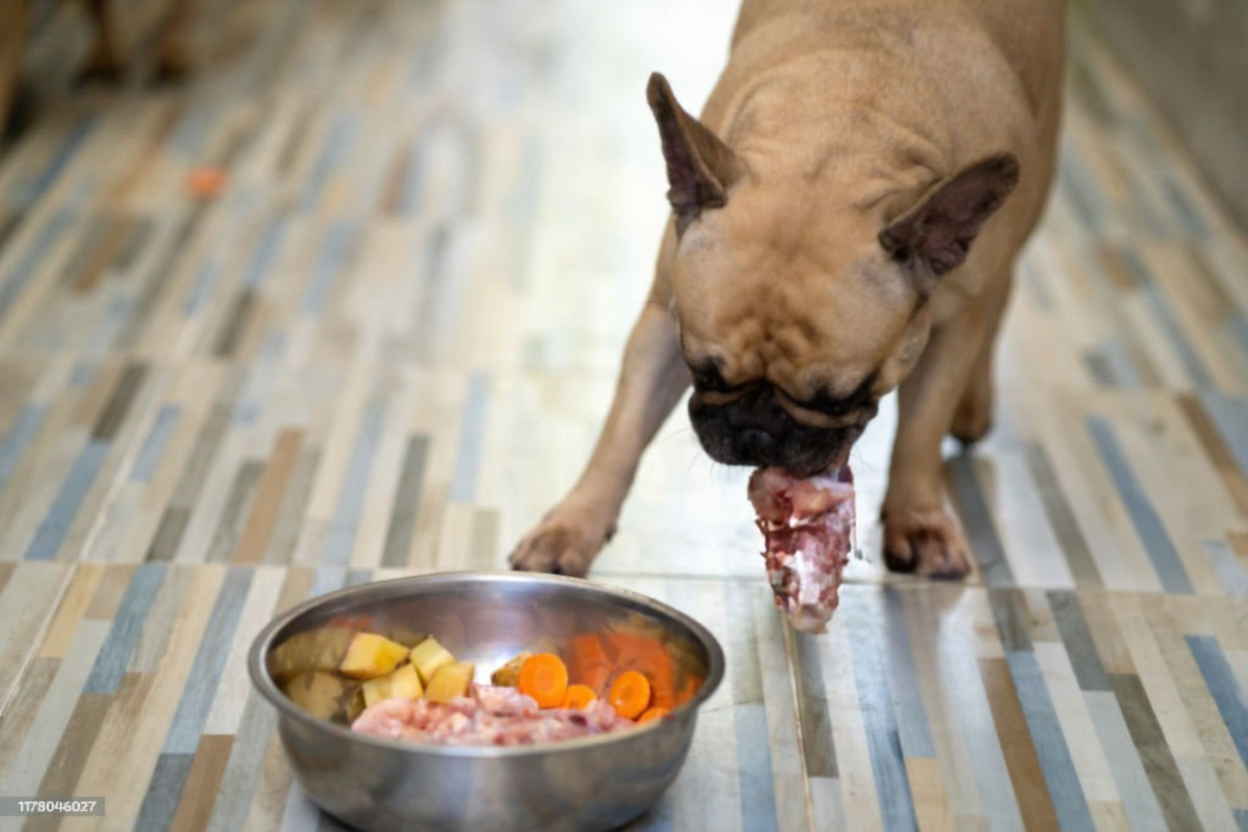
Raw diets work best when you follow simple ratios that support complete nutrition. These ratios help you offer the correct amount of muscle meat, organs, and edible bone. Many new raw feeders worry about perfection, but balance is easy when you understand basic guidelines.
A balanced raw diet usually includes around eighty percent muscle meat, ten percent organ meat, and ten percent edible bone. These components give your dog protein, fat, minerals, and vitamins from natural sources. You can adjust ratios slightly for your dog’s needs, but staying close to these numbers ensures long-term balance.
Muscle meat forms the largest part of the bowl because it provides energy, amino acids, and healthy fats. Organs supply powerful nutrients, especially liver, which delivers essential vitamins needed for proper body function. Bones offer calcium, phosphorus, and minerals that support teeth, bone growth, and mobility.
You can also include small extras for added benefits. Items like eggs, fish, and dog-safe vegetables provide fiber, omega-3 fats, and antioxidants. These additions support joint health, coat shine, and digestive comfort. Keep extras simple during the first weeks so your dog adjusts smoothly to the new diet.
Learning raw feeding ratios helps you avoid guessing. When you understand portions clearly, raw dog food for dogs becomes easier, safer, and more enjoyable for both of you.
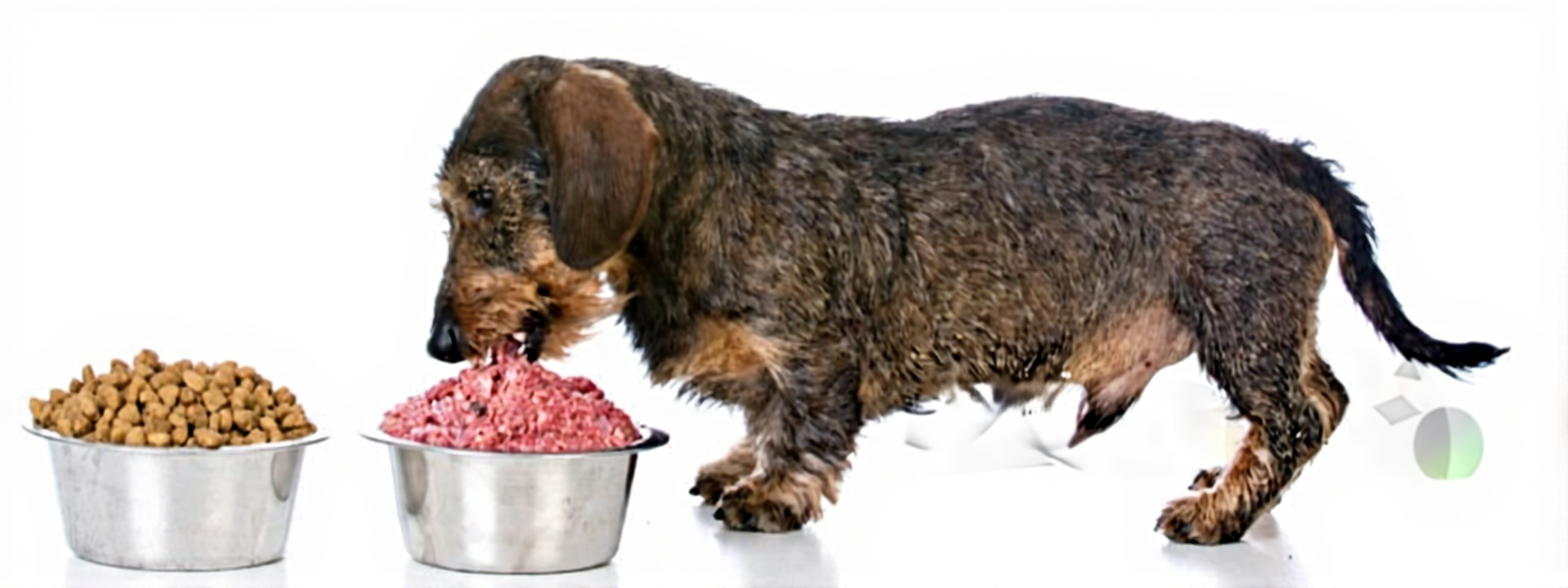
Safe handling plays a major role in successful raw feeding. You want tasty meals for your dog, but you also want clean food and hygienic preparation. Simple habits keep food fresh and help prevent any bacterial growth.
Start by storing meat properly in sealed containers and keeping raw ingredients cold until feeding time. Thaw frozen food in the refrigerator instead of on the counter, because slow thawing keeps meat safer. When handling meat, wash your hands and surfaces with warm water and soap. These steps take only minutes but protect your kitchen and your dog.
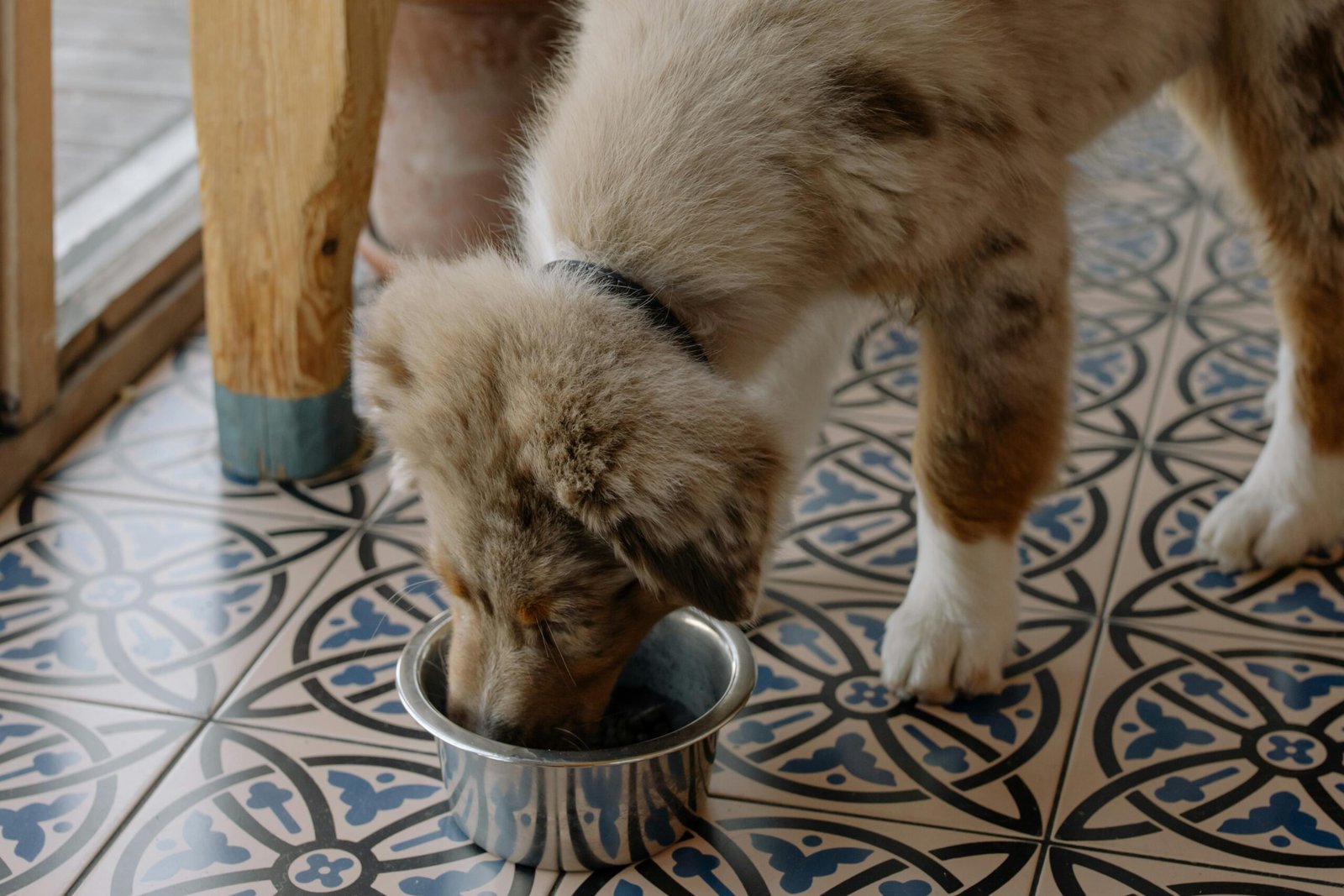
Use stainless steel bowls instead of plastic because steel stays cleaner and resists scratches. Scratches trap bacteria, making cleaning harder. Wash bowls immediately after feeding and dry them completely before the next meal.
Avoid mixing raw food with dry kibble in the same bowl, especially during the early transition, because they digest differently. Mixing can confuse your dog’s stomach and slow digestive adjustment.
If you add meaty bones, choose ones appropriate for your dog’s size and chewing style. Raw bones should feel firm yet safe, and they should never be cooked. Cooked bones splinter easily, while raw bones stay flexible and safer for chewing.
Food safety habits help you feel confident while preparing meals. When you build a clean routine, raw feeding becomes smooth, simple, and stress-free.

Every dog reacts differently to dietary changes, so observing your dog helps guide your next steps. Some dogs enjoy raw meals immediately, while others need extra time. You understand your dog’s behavior best, so trust your observations throughout the process.
Monitor your dog’s stool, energy levels, and appetite during the first few weeks. Slight changes are normal as the body adjusts to fresh food and natural enzymes. If you see firm stools and good energy, your transition is moving smoothly. If stools become too soft, reduce the raw portion temporarily and increase slowly.
Offer smaller meal sizes during the first days because smaller portions digest easier. You help your dog adjust by spreading meals into two or three feedings. Hydration also supports digestion, so keep fresh water available at all times.
Use simple proteins at first and avoid introducing too many extras early on. Once your dog stabilizes, you can expand the menu with variety. Variety prevents nutrient gaps and helps your dog enjoy different flavors, textures, and benefits.
Observing your dog helps you adjust the diet safely. When you respond to your dog’s needs, raw dog food for dogs becomes a healthy and comfortable experience that lasts long-term.
Even confident raw feeders sometimes need support. Nutrition questions, portion concerns, or ingredient choices can feel confusing at first. A raw-friendly veterinarian or canine nutritionist helps you make decisions with clarity and safety.
Professional guidance becomes especially helpful for puppies, seniors, or dogs with medical conditions. These dogs may need adjusted ratios or special ingredients for kidney health, joint function, or digestion.
You never need to navigate everything alone. With professional support, balanced raw feeding becomes simple.

Starting a raw diet feels exciting, but it can also feel confusing when you try to do everything correctly. You want your dog to enjoy healthy ingredients, balanced nutrition, and safe meals without upsetting their stomach. The good news is that expert guidance makes raw feeding much easier. When you follow simple vet-approved tips, you start raw dog food for dogs safely and confidently.
Below are helpful, friendly, and easy tips that veterinarians recommend for beginners.
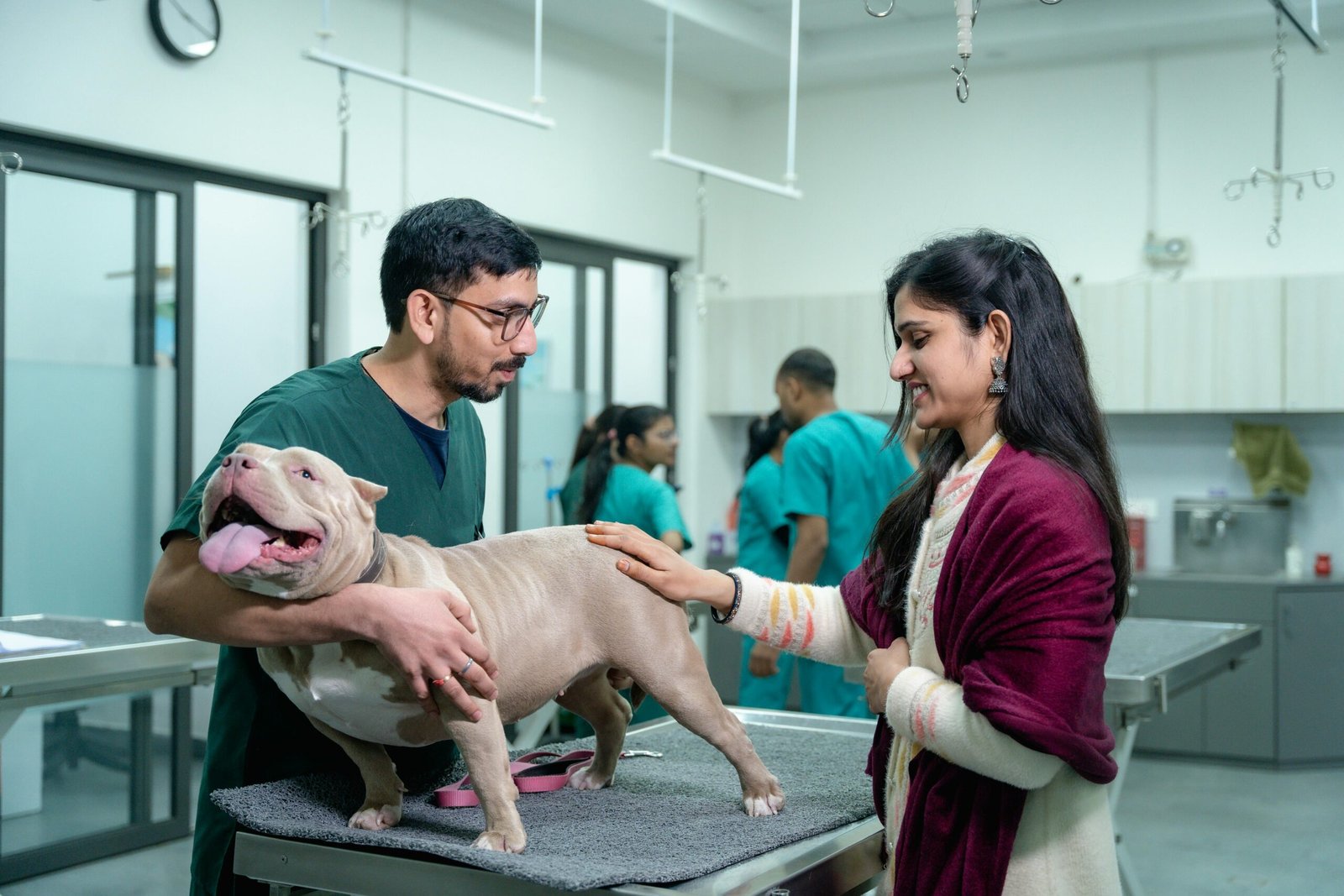
Before changing your dog’s diet, your vet becomes your best partner. Your vet helps you understand your dog’s health needs, weight goals, and any medical concerns that influence the diet. This advice ensures the raw transition suits your dog’s body and long-term health.
Ask your vet about protein choices, calorie needs, and recommended transition speeds. Dogs with sensitive digestion often need slower transitions. Puppies, seniors, and dogs with conditions like allergies or kidney issues also benefit from tailored guidance. A brief conversation gives you confidence before you begin.
When you receive approval, start slow. Many experts recommend a gradual introduction of raw meals using a simple schedule. Begin with a small portion of raw food mixed with your dog’s current diet. Increase raw amounts slowly over seven to ten days. This gradual method supports digestive health and reduces upset stomachs.
Simple first-week feeding helps keep things predictable. Choose one protein source, such as chicken or turkey, because these proteins digest easily. Once your dog adjusts, you begin adding variety at a comfortable pace. Staying patient helps your dog adjust naturally and enjoy each meal safely.
Vets emphasize balance because raw meals must contain essential nutrients. Following a balanced structure protects your dog from nutritional gaps. Many beginners feel nervous about balancing meals, but the process becomes simple when you understand core guidelines.
Most vets recommend following the basic raw ratio: eighty percent muscle meat, ten percent organ meat, and ten percent edible bone. These numbers support healthy growth, strong immunity, and long-term joint strength. Balance also improves coat shine, skin health, and energy levels.
Choose high-quality ingredients with clear sources. Fresh meats, clean organs, and safe bones help you build nutritious meals. Avoid random leftovers, grocery scraps, or unverified raw mixes. Your dog deserves clean food prepared with care.
If balancing meals feels overwhelming, your vet may recommend pre-balanced raw dog food for dogs from trusted brands. These formulas include proper nutrients without requiring complex calculations. You simply serve, watch, and adjust based on your dog’s needs.
Nutrient balance helps your dog thrive. When your dog receives the correct mix of protein, minerals, and vitamins, digestion becomes smoother and energy improves naturally.
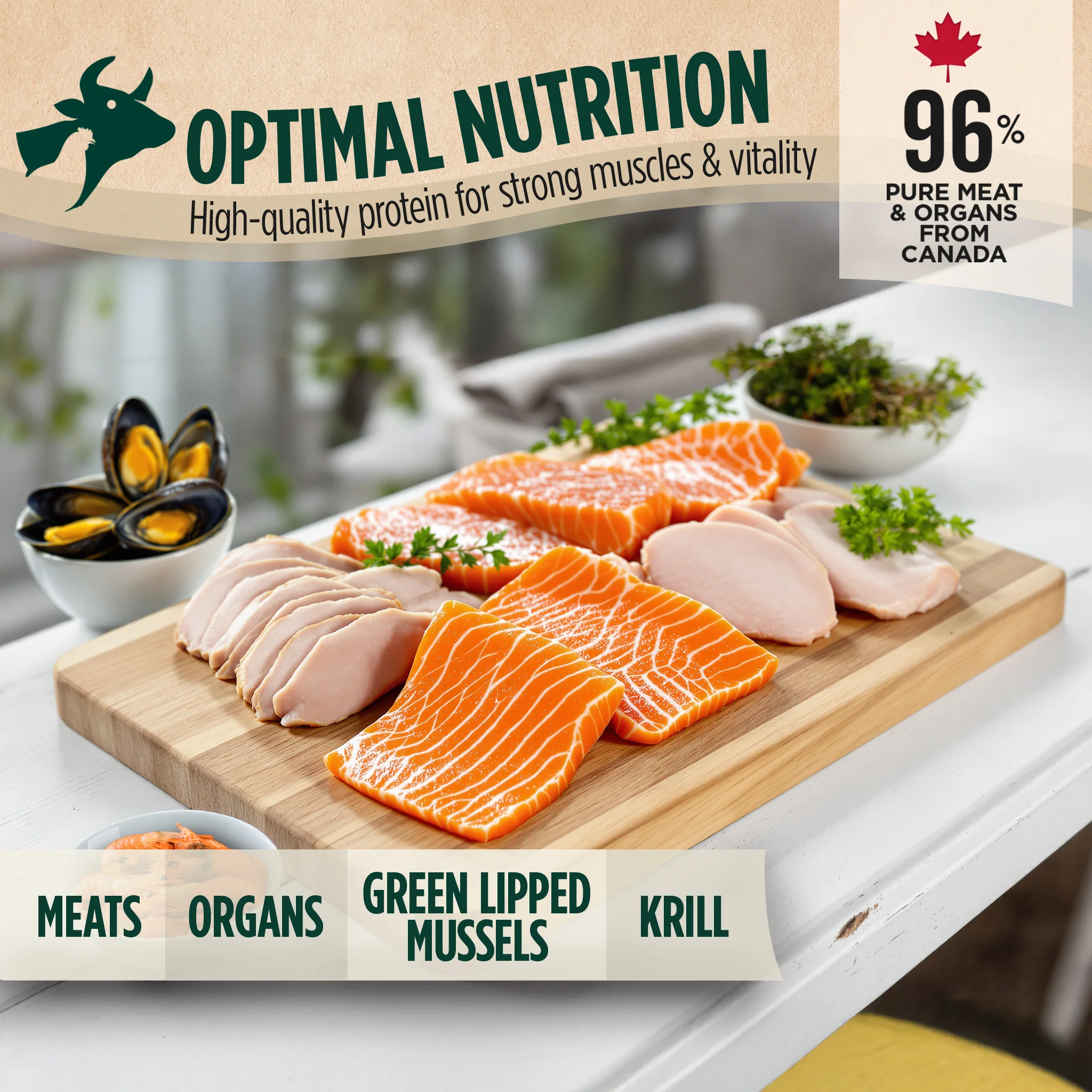
Vets always highlight hygiene because raw ingredients require proper handling. You keep food safe by following simple routines that protect your dog and your kitchen. These habits quickly become second nature once you practice them consistently.
Always thaw raw ingredients in the fridge instead of on the counter. Cold thawing keeps bacteria under control and maintains freshness. Use airtight containers to prevent leaks or contamination. When preparing meals, wash your hands often and clean cutting surfaces thoroughly.
Use stainless-steel bowls because they resist scratches and stay hygienic. Plastic bowls trap bacteria within scratches, making them harder to clean over time. Wash bowls immediately after feeding and dry them completely before the next meal.
Store raw meat in properly sealed packages. Separate meat from other foods in your refrigerator. Keep freezer storage organized so meals stay fresh and safe.
Safe handling protects your dog and helps you enjoy the raw feeding routine with confidence. These small habits make raw dog food for dogs easier and safer long term.
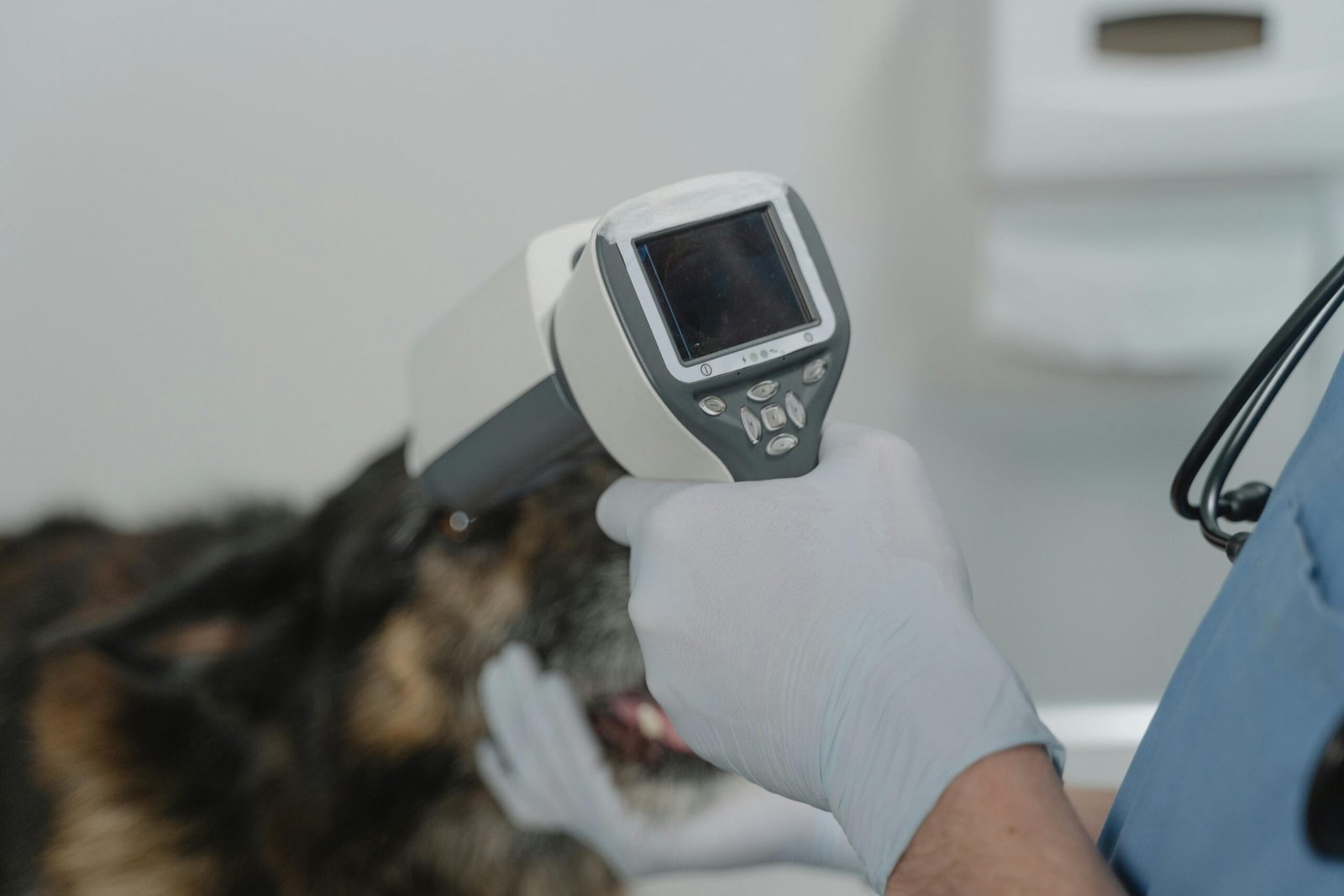
Vets always encourage observation because your dog’s body tells you everything. When you watch your dog carefully during the transition, you catch small changes early and adjust before problems develop.
Monitor stool texture daily. Soft stools during the first few days are normal as your dog adjusts. Very loose stool may suggest you need to slow the transition. Small, firm stool usually means digestion is improving. Healthy stool is a great sign that your raw feeding effort is working.
Observe energy levels, coat shine, and appetite. Many dogs show better focus, cleaner breath, and stable energy within weeks. These changes reassure you that raw feeding supports your dog’s health.
Watch your dog’s weight closely. Raw diets sometimes change calorie intake, especially during early weeks. Use simple portion control and adjust servings based on your dog’s body shape. Your vet can help you refine feeding amounts if weight changes too quickly.
Monitoring ensures your dog stays comfortable, safe, and happy throughout the raw journey.
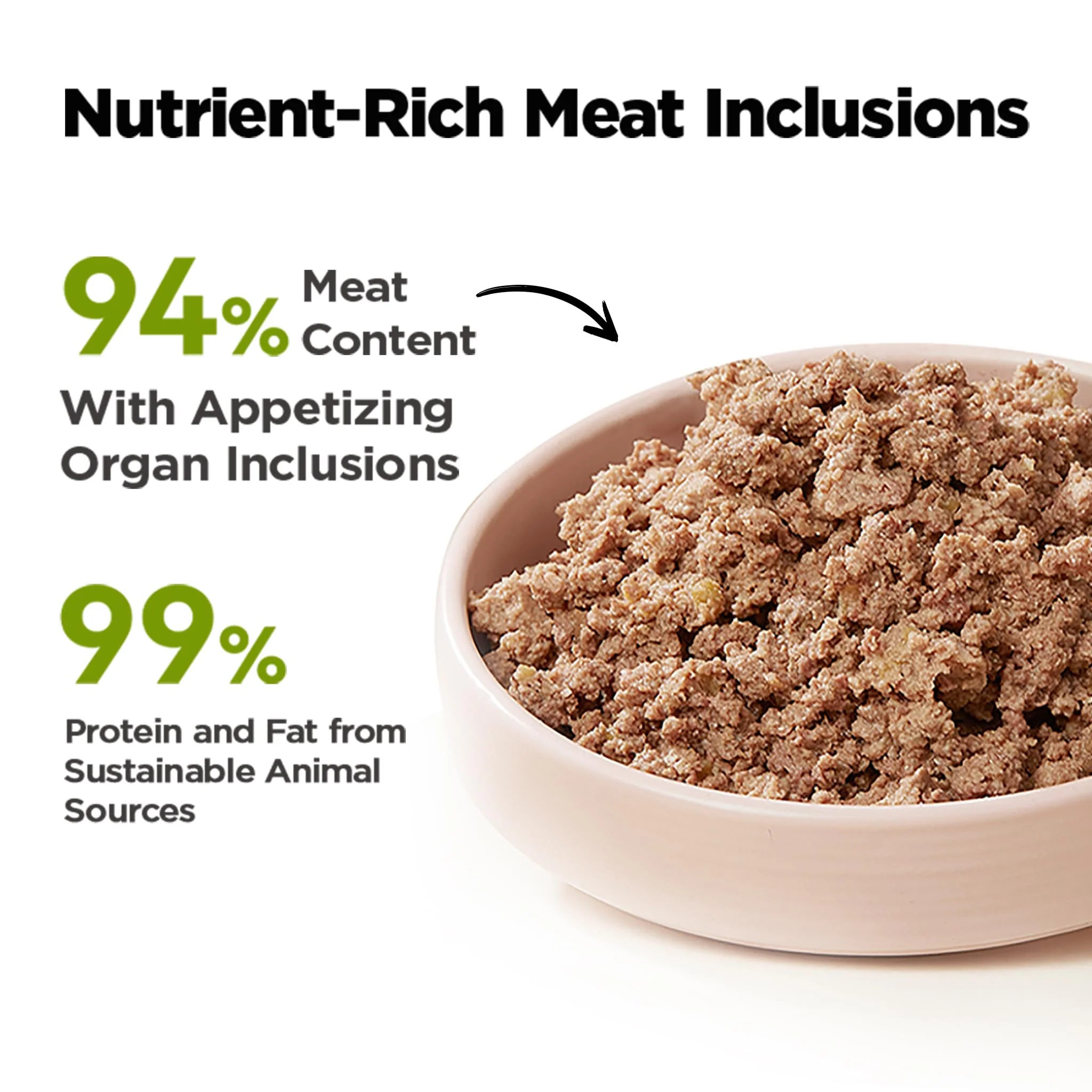
Many dogs love variety in their meals, but vets recommend introducing each new protein slowly. This controlled approach reduces digestive stress and helps you identify any sensitivities early. Start with gentle proteins like chicken or turkey. Once your dog adjusts, introduce beef, lamb, or fish one at a time.
Adding variety supports balanced nutrition and enhances flavor. Your dog enjoys different textures, smells, and nutrient benefits. Rotating proteins also helps strengthen immunity, improve muscle tone, and balance amino acids naturally.
Avoid risky proteins or unfamiliar cuts until your dog becomes comfortable with basic meals. Stick to fresh, high-quality sources that follow safe raw feeding standards.
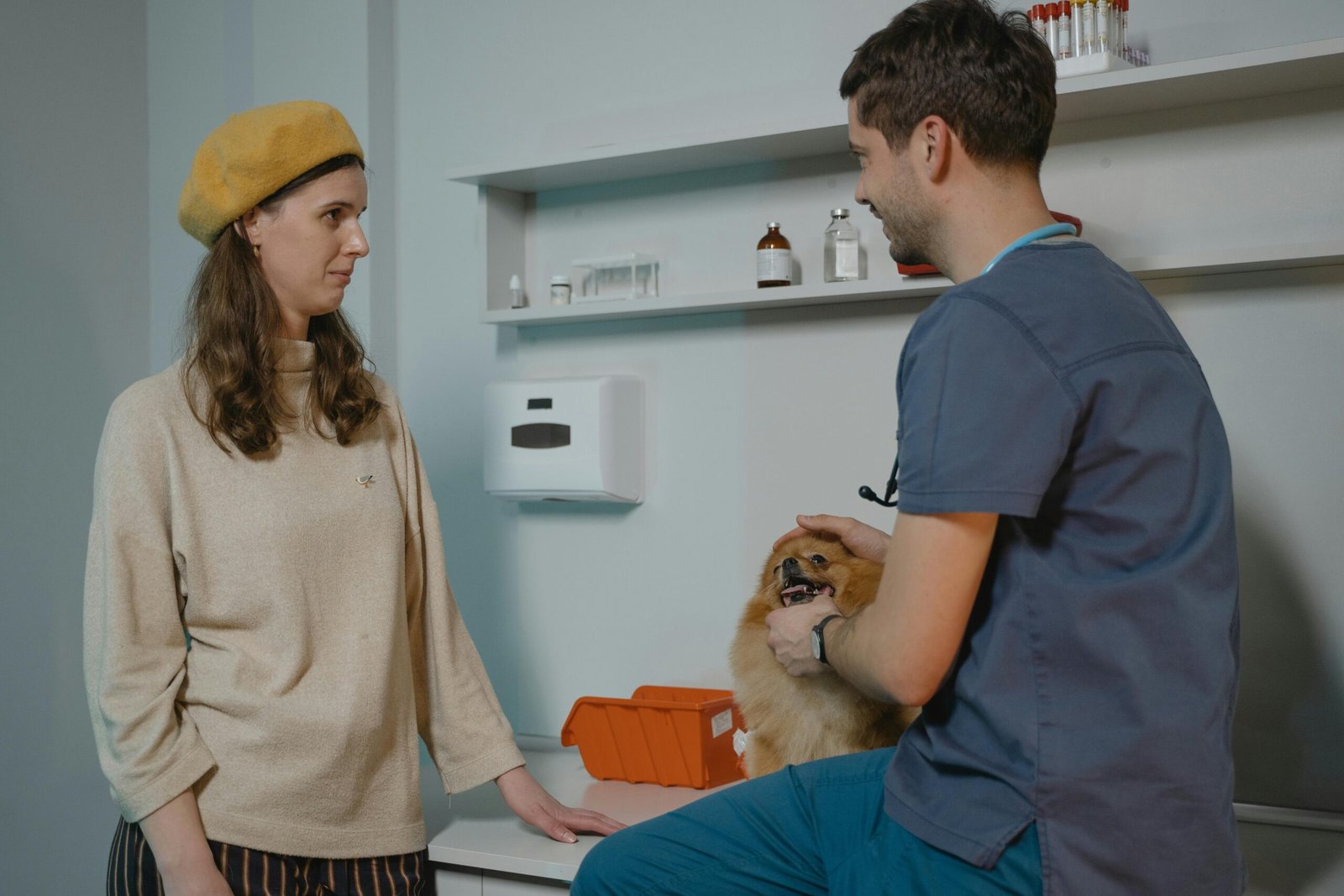
Raw feeding works best with occasional check-ins. A simple evaluation every few months helps your vet track weight, digestion, skin health, and overall condition. These small checkups help prevent long-term issues and support your dog’s nutritional needs.
Your vet may suggest supplements such as fish oil, probiotics, or joint support depending on your dog’s age and lifestyle. They may also recommend adjusted ratios or alternative proteins based on seasonal needs.
With continuous guidance, raw dog food for dogs becomes safe, balanced, and easy to manage.




Leave a comment