0 Items
No products in the cart.
Your puppy’s first year is full of growth, learning, and adorable chaos. It is also the most important time for protecting their health. This is where vaccines play a huge role. Puppies are born with immature immune systems, which means they cannot fight diseases on their own yet.
During the first few weeks, puppies receive some protection from their mother’s milk. This protection fades quickly. Once it fades, your puppy becomes vulnerable to serious illnesses. Following a proper puppy shot schedule helps close this protection gap safely.
Vaccinations train your puppy’s immune system to recognize and fight dangerous viruses. Think of vaccines as practice drills for your puppy’s body. These drills prepare them before real threats appear. This preparation can be lifesaving.
Many puppy illnesses spread easily through the environment. Puppies can be exposed through parks, sidewalks, shoes, or other dogs. Even indoor puppies are not completely protected. That is why early immunization matters so much.
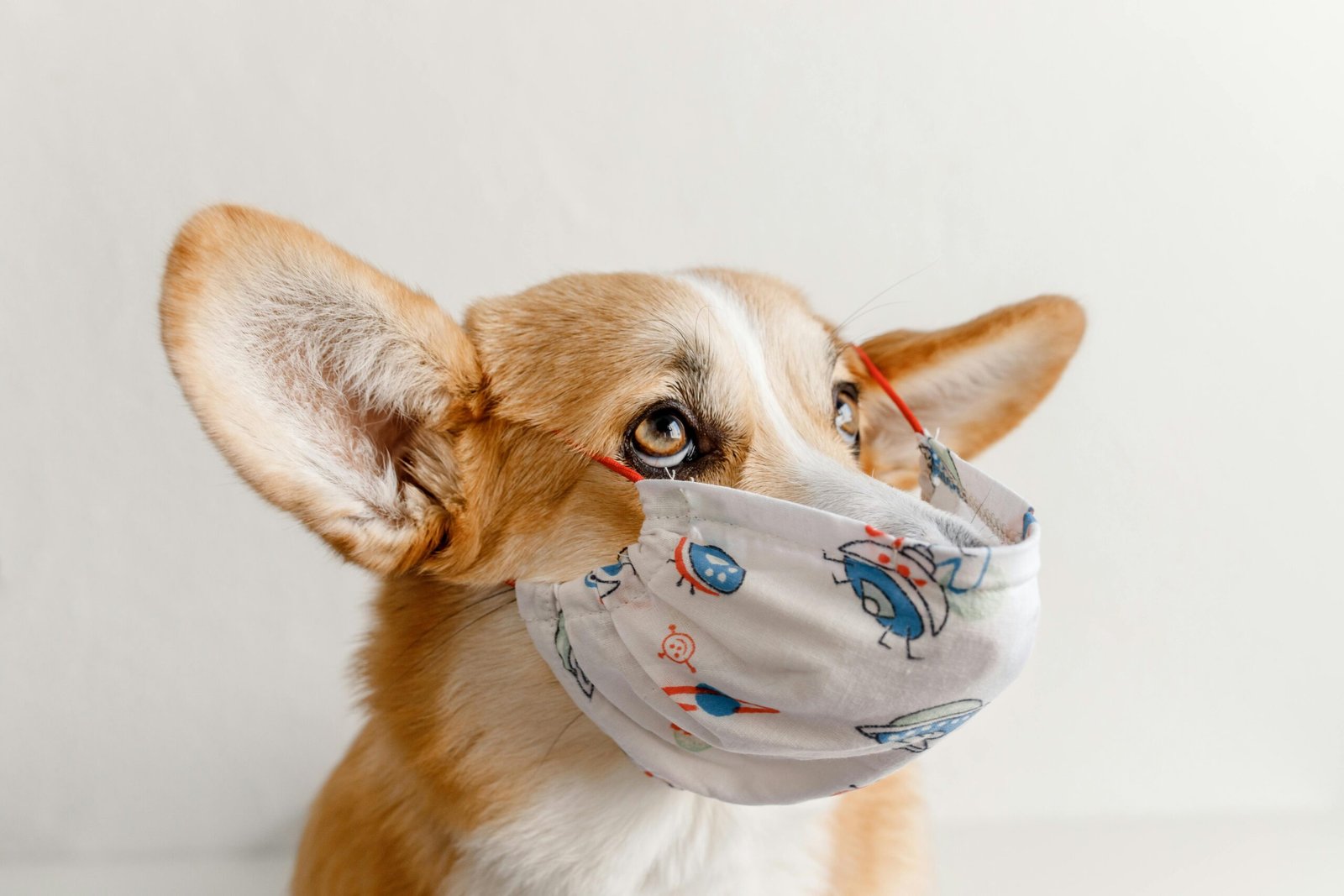
Some puppy diseases are more than just scary names. Parvovirus, distemper, and hepatitis can be deadly. These illnesses spread fast and often affect puppies under one year old. Treatment can be expensive and not always successful.
Vaccines dramatically reduce the risk of these diseases. Core vaccines target the most dangerous and common threats. Your veterinarian will guide you on which vaccines are essential. Most puppies follow a similar puppy shot schedule for these core vaccines.
Parvo is one of the biggest concerns for new owners. It attacks the digestive system and causes severe dehydration. Puppies often need emergency care when infected. Vaccination is the best prevention available.
Distemper affects the respiratory, digestive, and nervous systems. It can cause long-term health problems or death. Once symptoms appear, recovery is difficult. Vaccines protect your puppy before exposure happens.
Rabies vaccination is also crucial, especially later in the first year. Rabies is fatal and required by law in many areas. Vaccinating protects your puppy, your family, and the community.
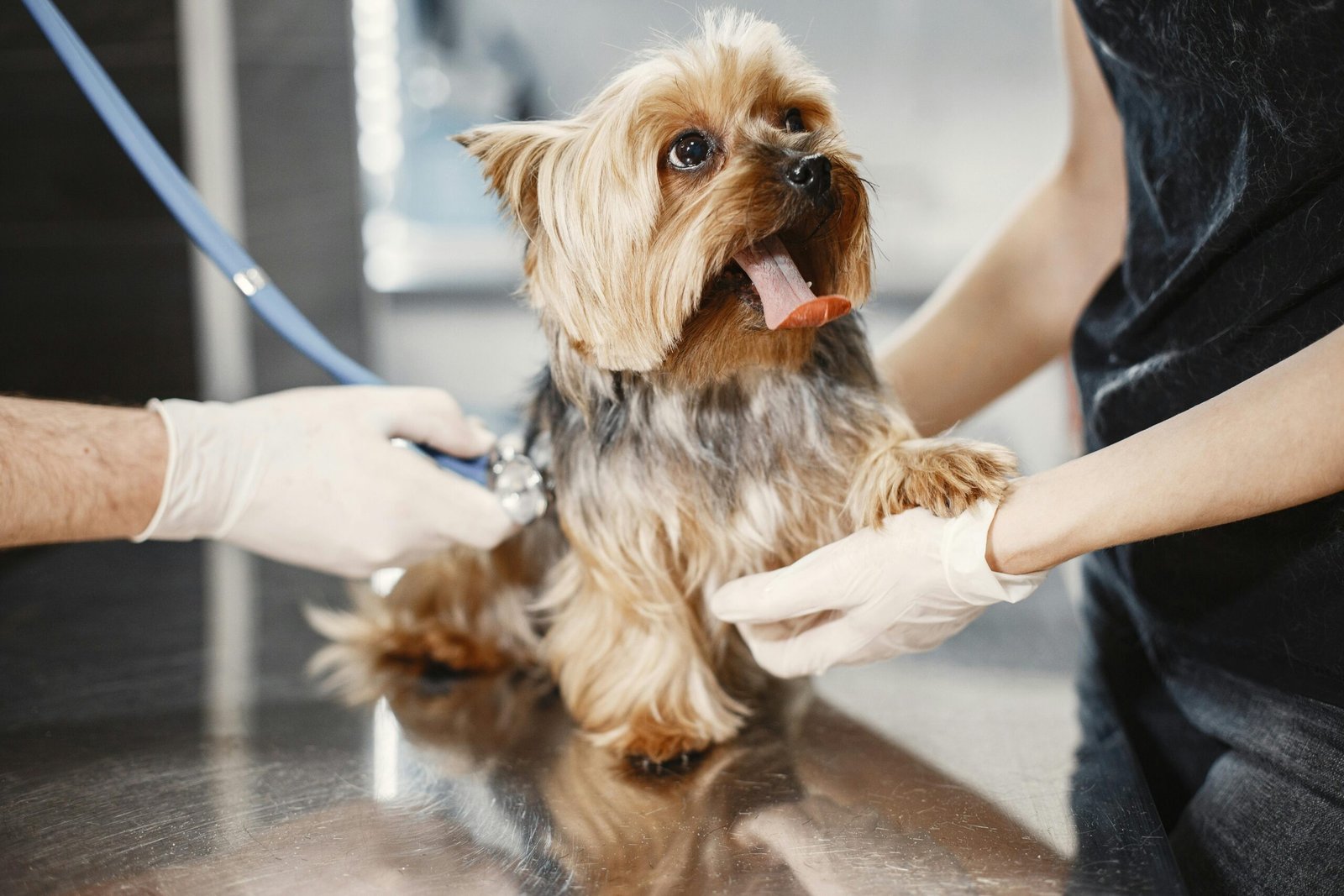
The timing of vaccines is just as important as the vaccines themselves. Puppies do not receive all shots at once. Their immune systems need time to respond properly. This is why vaccines are given in stages.
A puppy shot schedule spaces vaccines over several weeks. These stages often start around six to eight weeks of age. Booster shots follow to strengthen immunity. Each booster builds stronger and longer-lasting protection.
Skipping or delaying vaccines can leave gaps in protection. During these gaps, puppies are vulnerable to infection. This is especially risky during socialization periods. Many owners want to introduce puppies to the world early.
Your veterinarian designs the schedule based on age, health, and lifestyle. Outdoor exposure, travel, and contact with other dogs all matter. Trusting professional guidance helps keep your puppy safe.
Consistency is key during the first year. Marking vaccine dates on a calendar or app helps. Staying organized reduces stress and prevents missed appointments.
Vaccines do more than prevent illness. They support healthy growth during a critical stage of development. When puppies stay healthy, they grow stronger and more confident. Illness during early development can slow growth and weaken immunity.
A vaccinated puppy can explore the world more safely. This supports proper socialization, which is essential for behavior. Puppies learn best when they feel good and have energy. Good health supports positive learning experiences.
Following the puppy shot schedule also helps your veterinarian monitor overall puppy health. Regular visits allow early detection of other issues. Your vet can check weight, teeth, and development during vaccine visits.
These visits build familiarity with the veterinary clinic. Puppies who visit often during the first year feel less stressed later. This makes future care easier for both of you.
Preventive care in the first year can reduce health problems later. Puppies who avoid serious illness early often have stronger immune systems as adults. Vaccines help prevent chronic complications linked to infections.
Some diseases can cause lifelong damage even after recovery. Nervous system damage, digestive problems, and weakened immunity can follow. Preventing these diseases protects your puppy’s future quality of life.
Vaccination also protects other dogs in your community. This concept is called herd immunity. When more dogs are vaccinated, diseases spread less easily. Your puppy becomes part of a healthier environment.
This is especially important in dog parks, grooming salons, and boarding facilities. Many places require proof of vaccination. A complete puppy shot schedule makes access easier later.
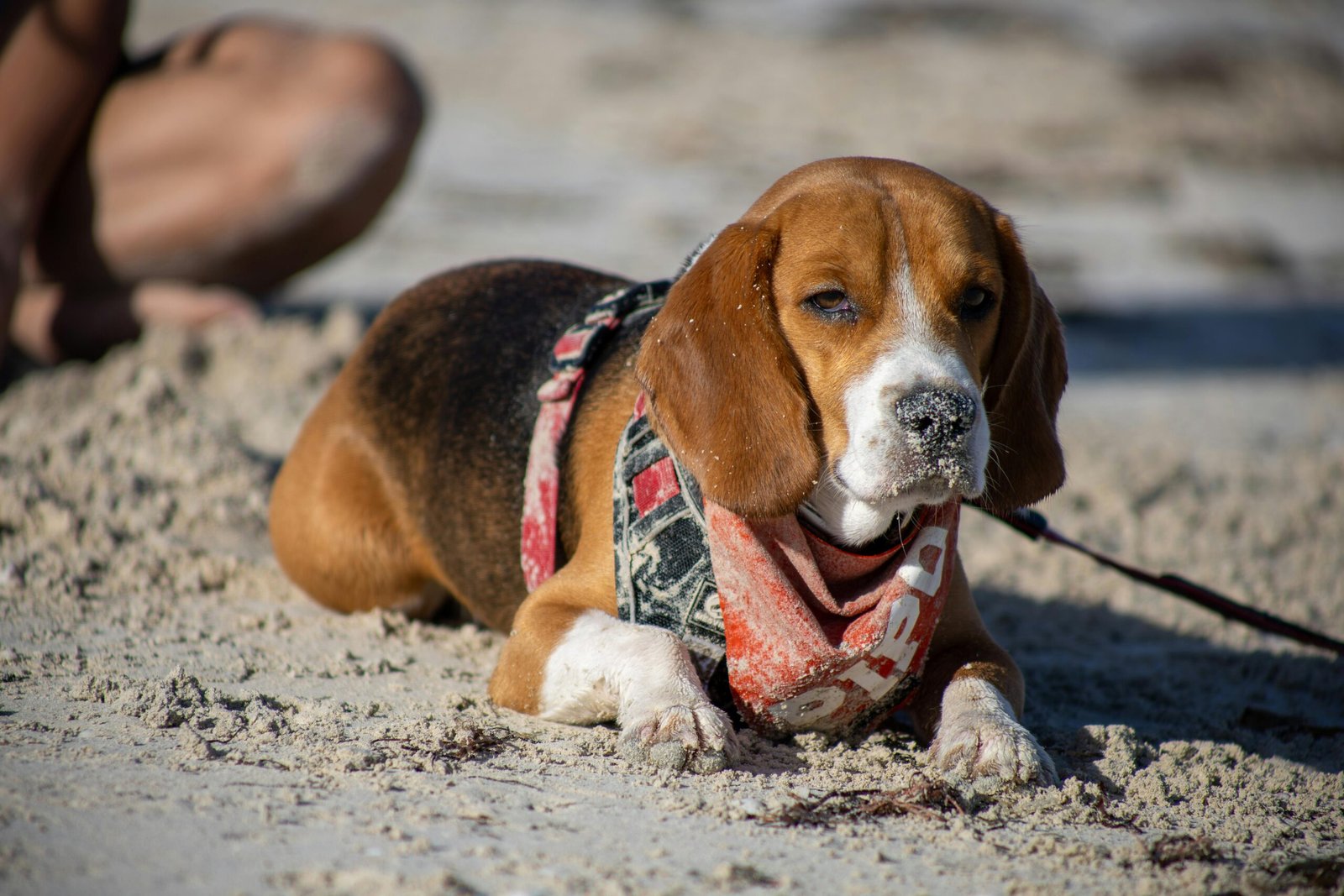
Being a new puppy owner comes with worries. You want to do everything right. Vaccines offer peace of mind during an overwhelming time. Knowing your puppy is protected helps you relax.
Unexpected vet emergencies can be emotionally and financially draining. Preventive vaccines are far less stressful than emergency treatments. They are also more affordable long term.
When you follow a recommended puppy shot schedule, you are choosing prevention over reaction. This choice benefits both you and your puppy. It allows you to focus on bonding and training.
Your puppy’s first year sets the foundation for a healthy life. Vaccines are a key part of that foundation. With guidance from your veterinarian, you can confidently protect your furry companion.
In the end, vaccines matter because they give your puppy the best possible start. And every pet parent wants that.
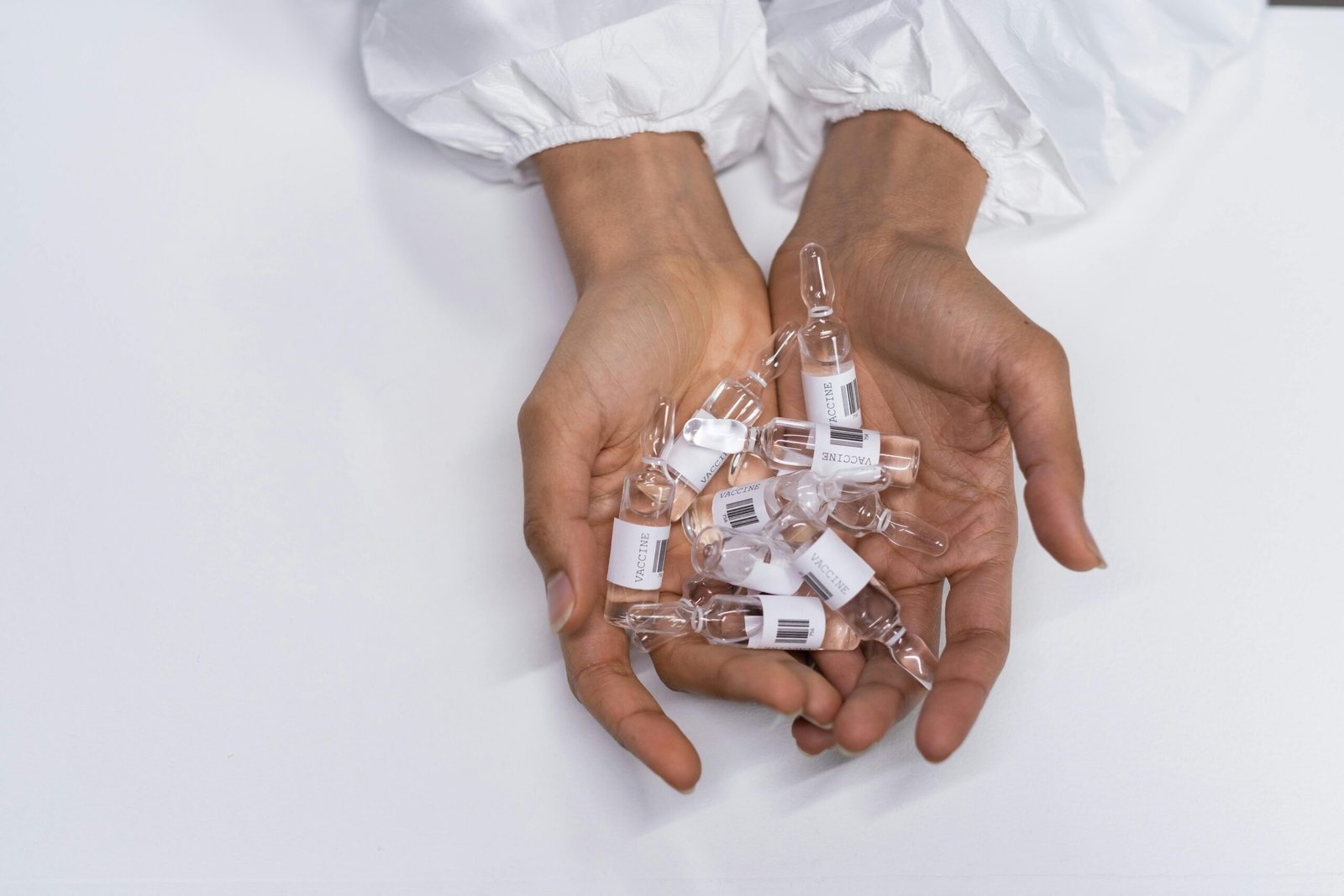
When you look at a puppy shot schedule, vaccines often fall into two categories. These are core vaccines and optional vaccines. Understanding the difference helps you make confident choices for your puppy’s health. You do not need to feel overwhelmed by medical terms.
Core vaccines are considered essential for almost every puppy. They protect against serious, widespread diseases. Optional vaccines depend more on lifestyle, location, and exposure risks. Both play important roles, but not every puppy needs the same combination.
Your veterinarian uses these categories to build a safe vaccination plan. This plan matches your puppy’s environment and daily activities. Knowing why certain shots are recommended helps you trust the process more.
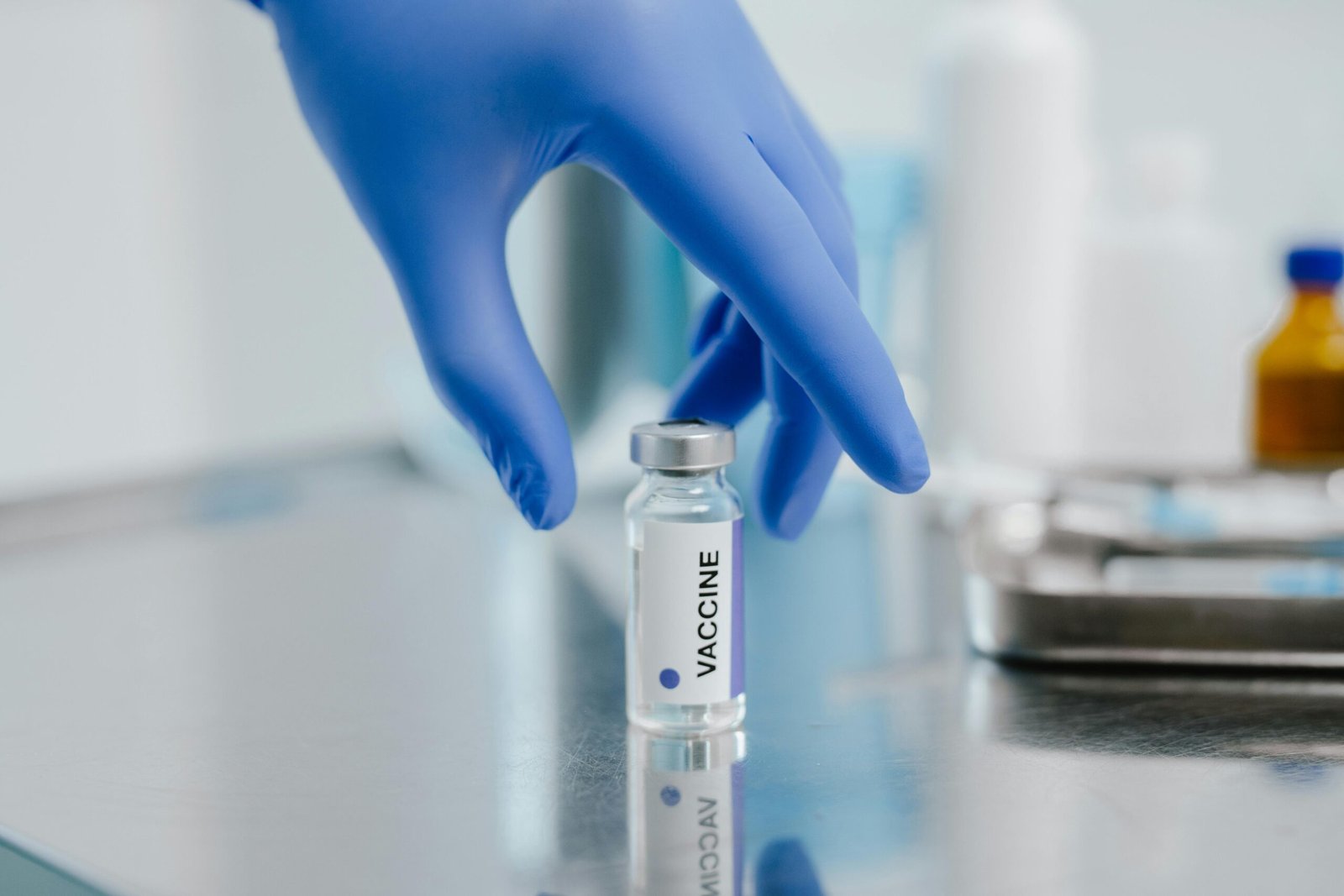
Core vaccines protect puppies from the most dangerous diseases. These illnesses are common, severe, and sometimes fatal. Because of this, veterinarians strongly recommend them for all puppies.
The most common core vaccines include distemper, parvovirus, adenovirus, and rabies. These diseases spread easily and can survive in the environment. Even indoor puppies face exposure risks through shoes or visitors.
Parvovirus is especially dangerous for young puppies. It attacks the digestive system and causes severe dehydration. Treatment is costly and recovery is uncertain. Vaccination provides the best protection available.
Distemper affects multiple body systems, including the nervous system. Puppies infected with distemper may suffer long-term damage. Vaccination helps prevent these heartbreaking outcomes.
Rabies is required by law in many areas. It protects not only your puppy but also people and other animals. Rabies vaccination is a critical milestone in the puppy shot schedule.
Core vaccines are given in a series of doses. This allows your puppy’s immune system to build strong protection over time. Skipping core vaccines can leave your puppy vulnerable during crucial growth stages.
Optional vaccines are sometimes called non-core vaccines. This name can be misleading. Optional does not mean unimportant. It simply means they are recommended based on risk factors.
These vaccines protect against diseases that may not affect every puppy. Lifestyle plays a big role here. Puppies who socialize often may need additional protection.
Common optional vaccines include bordetella, leptospirosis, Lyme disease, and canine influenza. Each targets a specific exposure risk. Your vet will discuss these risks with you.
Bordetella is associated with kennel cough. It spreads in places where dogs gather. Grooming salons, dog parks, and boarding facilities increase exposure. Puppies attending training classes often benefit from this vaccine.
Leptospirosis is spread through contaminated water and soil. It can affect both dogs and humans. Puppies living in rural or wet environments may face higher risk.
Lyme disease is transmitted by ticks. If you live in tick-prone areas, this vaccine may be recommended. Outdoor adventures increase exposure risk significantly.
Optional vaccines are added thoughtfully to the puppy shot schedule. They are not random or unnecessary. They are chosen based on how your puppy lives.
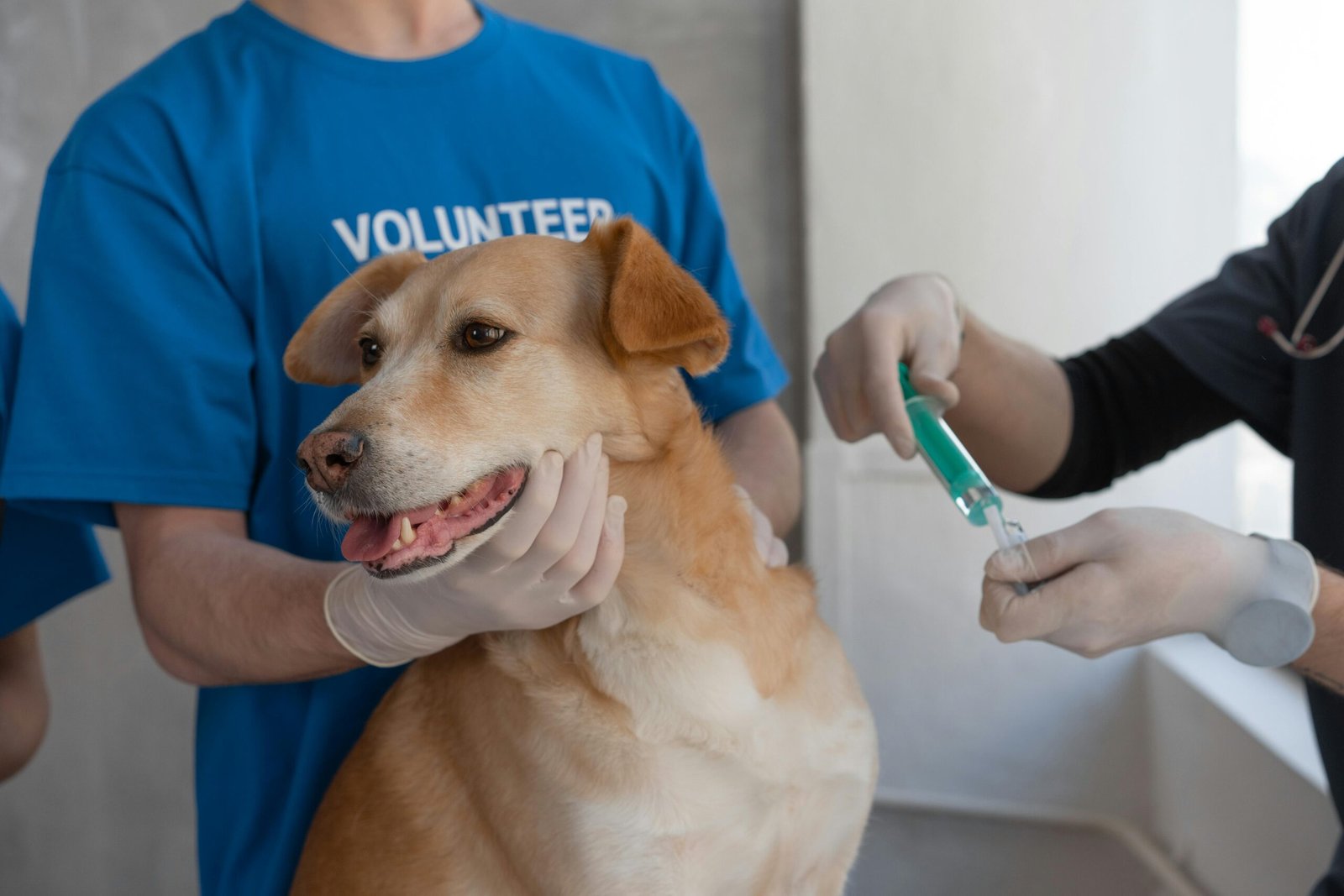
Your puppy’s daily routine matters when deciding vaccines. An active, social puppy faces different risks than a quiet home companion. Understanding this helps you customize protection.
Puppies who visit dog parks often encounter many dogs. This increases exposure to respiratory illnesses. Optional vaccines like bordetella may be recommended.
If your puppy travels or boards frequently, additional vaccines may be required. Many facilities require proof of certain vaccinations. Planning ahead avoids last-minute stress.
Outdoor puppies face different threats than indoor puppies. Wildlife, standing water, and insects can carry disease. Optional vaccines help cover these risks.
Your veterinarian will ask questions about your puppy’s lifestyle. Honest answers lead to better protection. There is no one-size-fits-all puppy shot schedule.
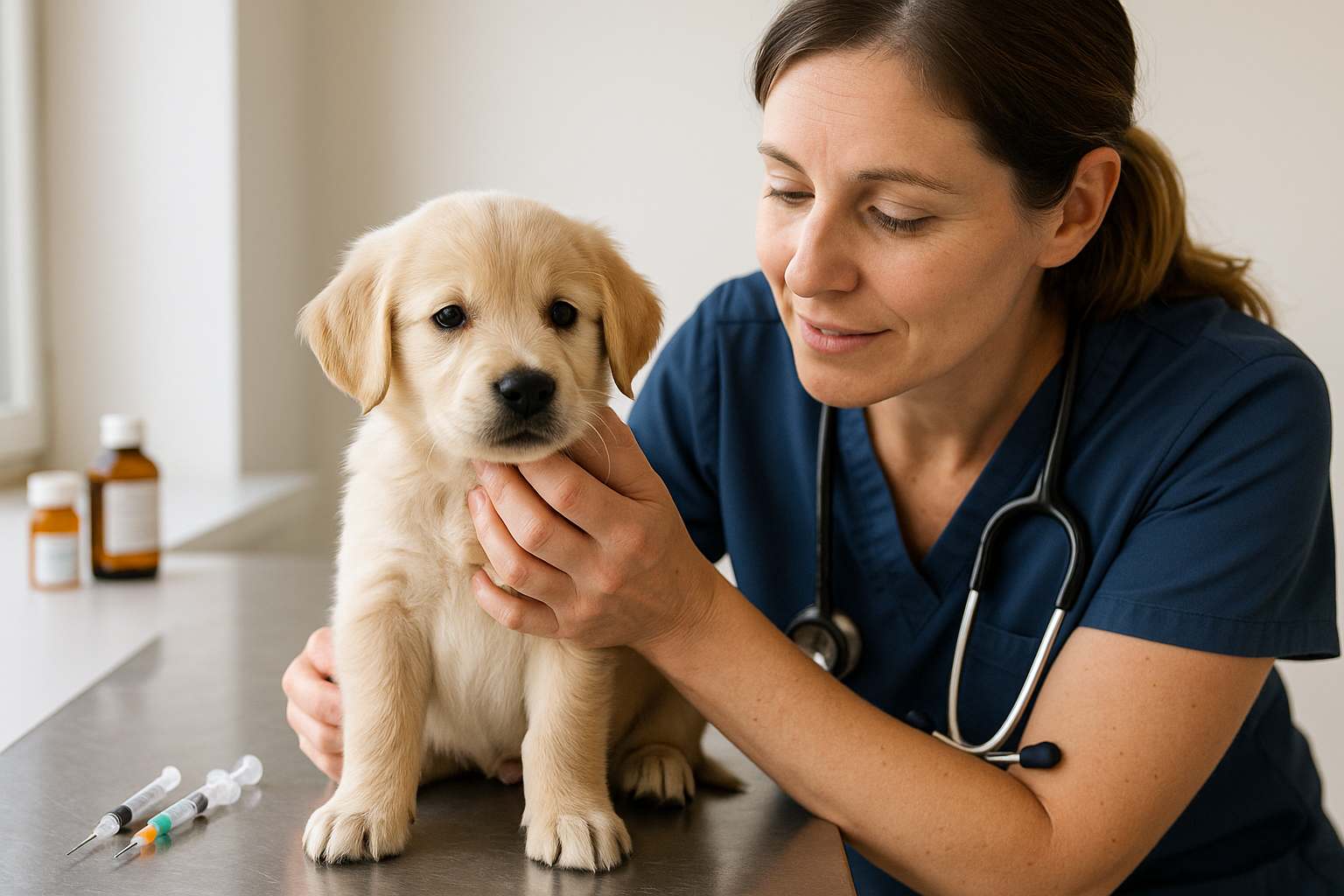
Some pet parents worry about giving too many vaccines. This concern is understandable. The goal is protection, not overload.
Veterinarians follow evidence-based guidelines when recommending vaccines. These guidelines balance safety and effectiveness. Optional vaccines are never forced without reason.
Spacing vaccines properly helps reduce side effects. Your puppy shot schedule accounts for immune response timing. This careful planning keeps vaccines safe.
Most puppies tolerate vaccines very well. Mild soreness or sleepiness is common and temporary. Serious reactions are rare. Monitoring your puppy after shots is always wise.
If you have concerns, discuss them openly with your vet. They can explain benefits and risks clearly. Informed decisions lead to confident care.
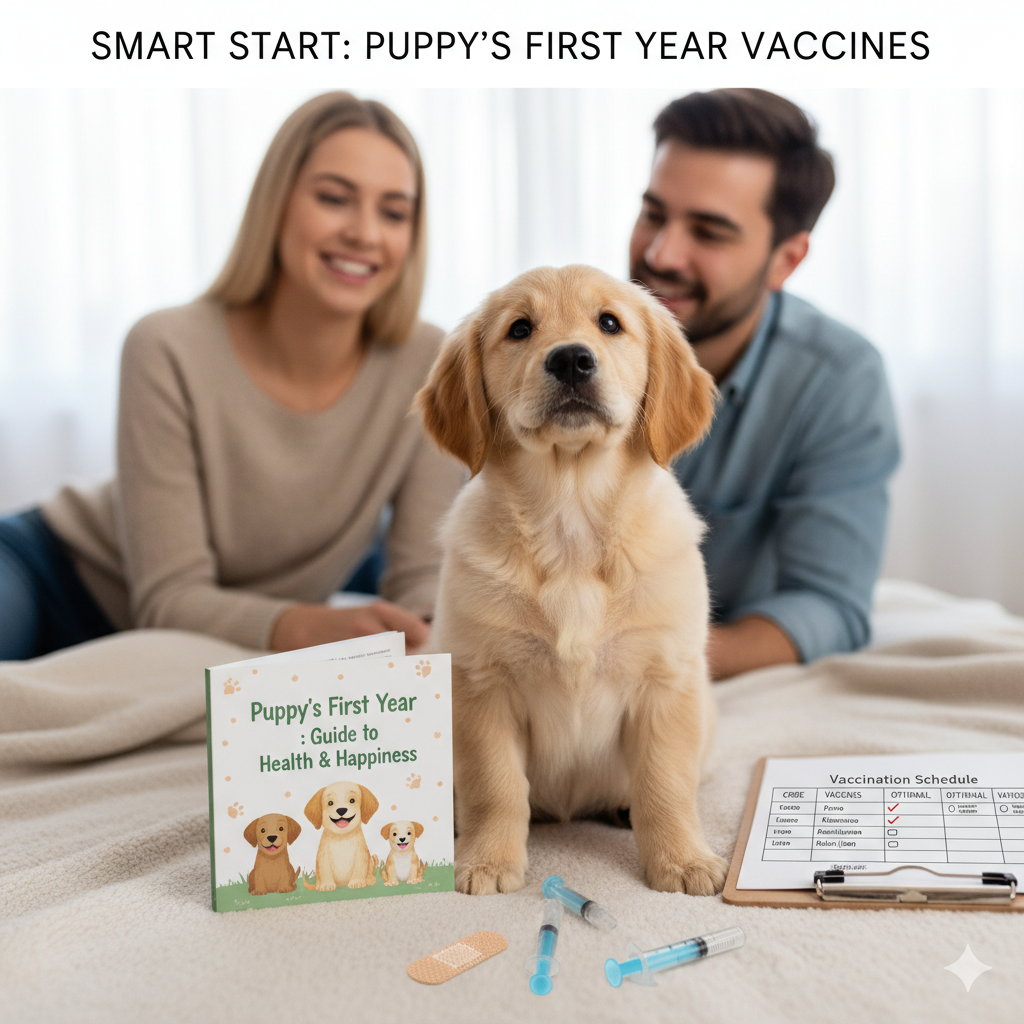
Understanding core versus optional vaccines empowers you as a pet parent. You gain clarity instead of confusion. This makes the puppy shot schedule easier to follow.
Core vaccines are essential building blocks for lifelong health. Optional vaccines provide added protection when needed. Together, they create a well-rounded defense system.
Every puppy deserves a healthy start. Vaccines help ensure that start stays strong. With guidance and planning, you can protect your puppy without stress.
In the end, the goal is simple. Keep your puppy safe, happy, and healthy during their first year. Vaccines play a major role in achieving that goal.




Leave a comment