0 Items
No products in the cart.
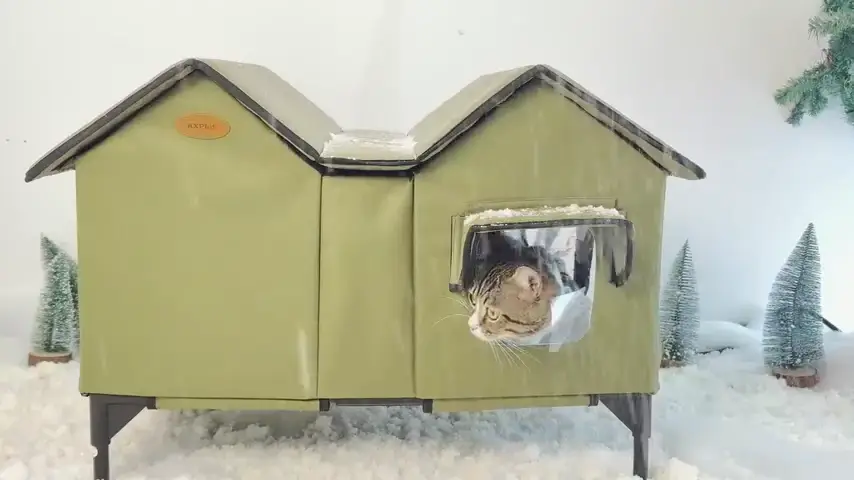
Outdoor cats often look confident and independent as they roam gardens, fences, and quiet streets. You may feel they can handle anything because they move with ease and curiosity. Still, outdoor life brings challenges that are not always visible. Your cat depends on you for safety, comfort, and consistent care, even while enjoying freedom.
Outdoor environments change constantly, sometimes without warning. Weather shifts, loud noises, predators, and traffic create daily risks for your cat. Understanding these needs helps you support outdoor independence without removing freedom. When you prepare properly, your cat stays healthier, calmer, and closer to home.
Knowing what truly matters allows you to make smarter choices for your outdoor cat’s wellbeing.
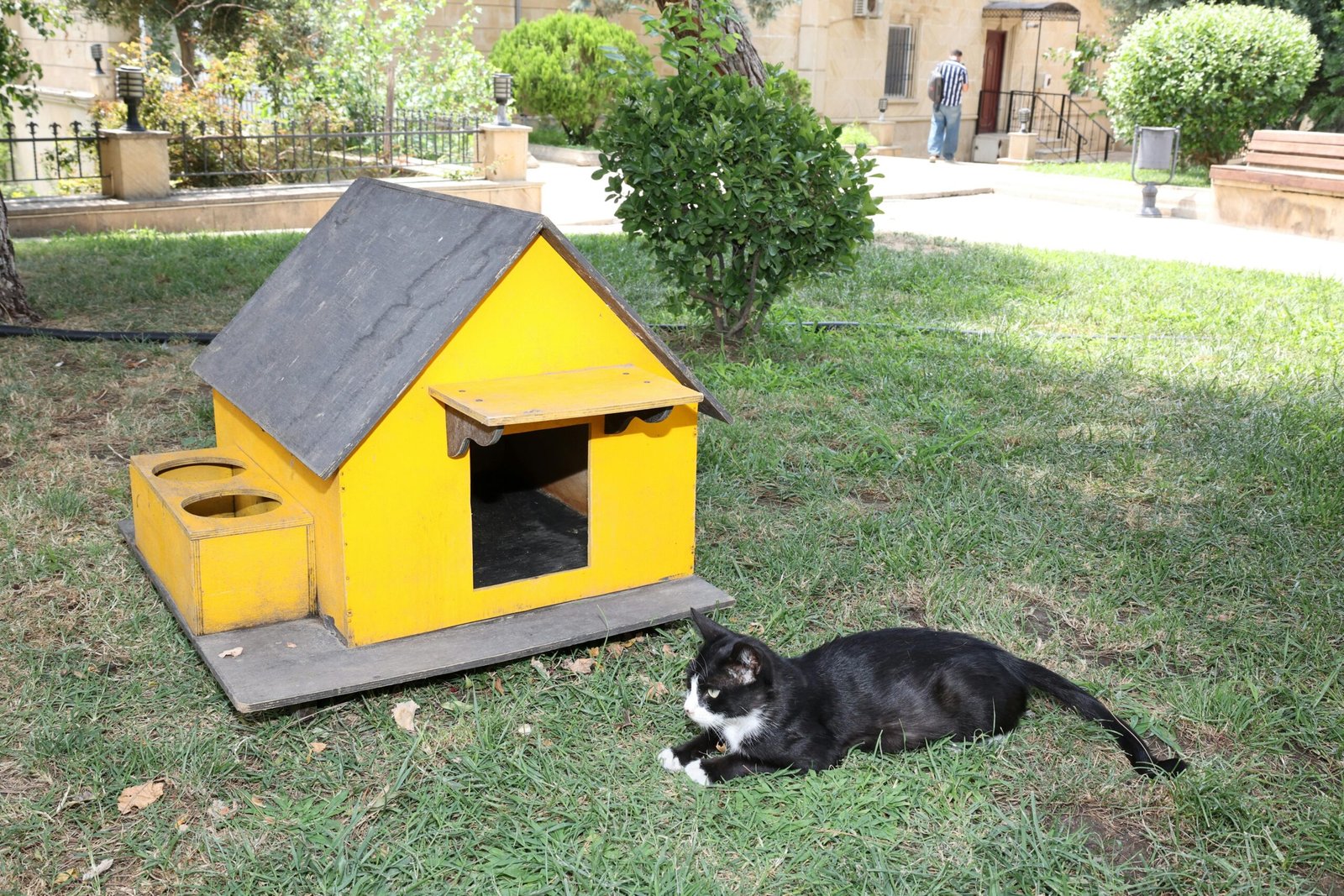
You might notice your cat sleeping under bushes, cars, or porches. While these spots seem convenient, they rarely offer reliable protection. Sudden rain, cold nights, or strong winds can turn them unsafe quickly. This is why a secure outdoor cat house is so important.
A proper outdoor shelter gives your cat a dry, quiet place to rest. It protects against rain, snow, heat, and harsh winds. More importantly, it creates a familiar space your cat recognizes as safe. Cats feel calmer when they know they have a dependable place to return to.
An outdoor cat house should be insulated to handle temperature changes. Insulation helps keep warmth inside during winter and blocks excessive heat during summer. A raised floor protects your cat from damp ground and cold surfaces. Small entrances reduce drafts and make predators less likely to enter.
Inside the shelter, comfort matters as much as structure. Straw or thermal padding helps retain body heat without trapping moisture. Avoid blankets, as they absorb water and become cold quickly. Dry materials keep your cat comfortable throughout the year.
Placement plays a major role in whether your cat uses the shelter. You should place the outdoor cat house in a quiet, shaded, and elevated location. This reduces stress and limits exposure to predators or flooding. When positioned correctly, your cat will choose the shelter naturally.
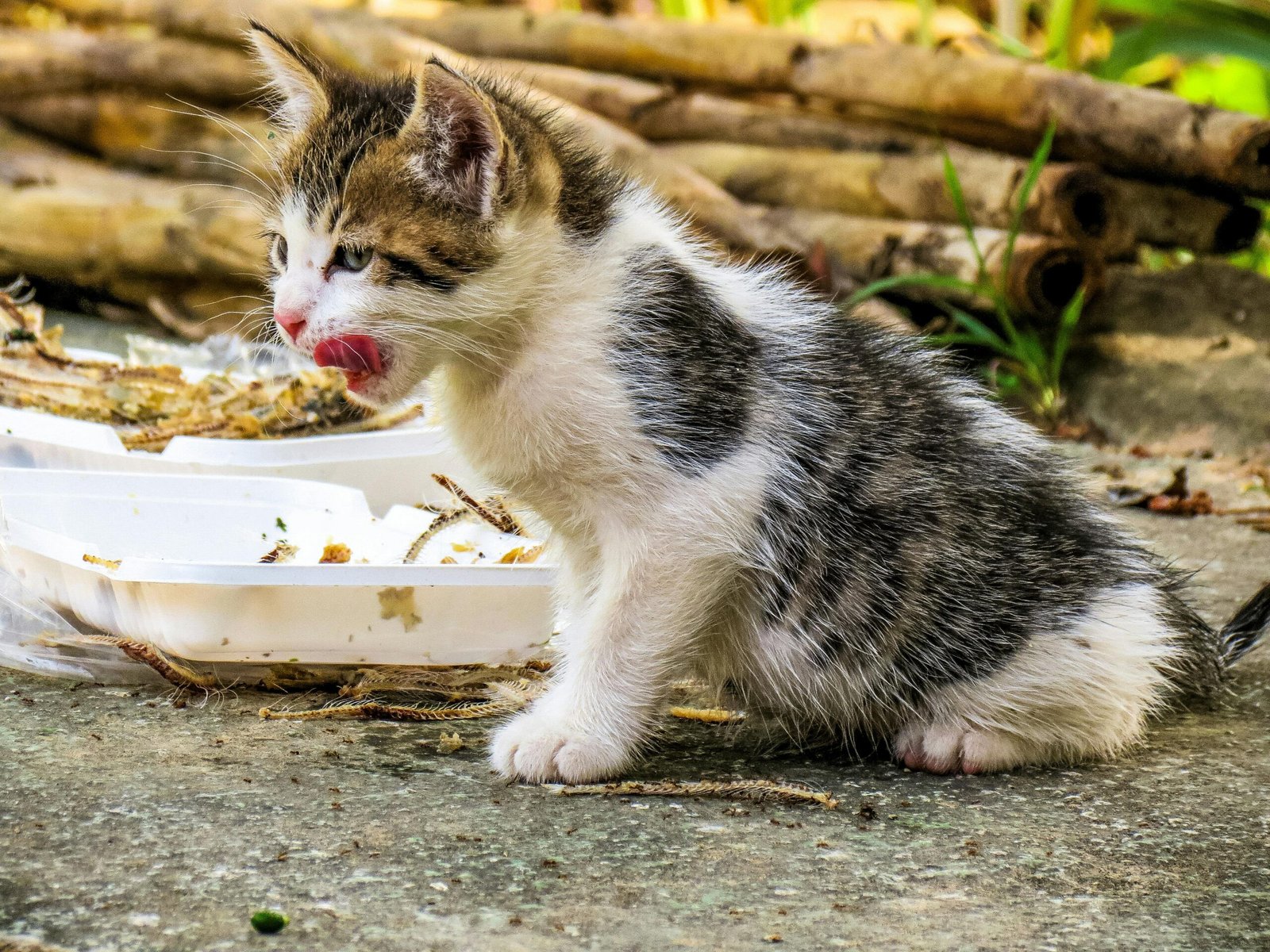
Outdoor cats burn more energy than indoor cats every day. They walk, climb, explore, and stay alert for long periods. This increased activity makes consistent feeding routines very important. You help your cat stay strong by providing regular, nutritious meals.
Feeding your cat at the same times each day builds trust and predictability. A routine encourages your cat to stay nearby instead of wandering far for food. High-quality food with enough protein supports muscle strength and body warmth. Proper nutrition also improves coat condition and overall health.
Water is just as important, especially in extreme weather. Outdoor water bowls can freeze in winter or collect dirt in summer. You should refresh water daily to keep it clean and safe. Heated bowls are helpful during colder months to prevent freezing.
Placing food and water near the outdoor cat house reinforces positive habits. Your cat begins to associate the shelter with comfort and safety. This simple setup can reduce roaming behavior over time. It also helps your cat return home more often.
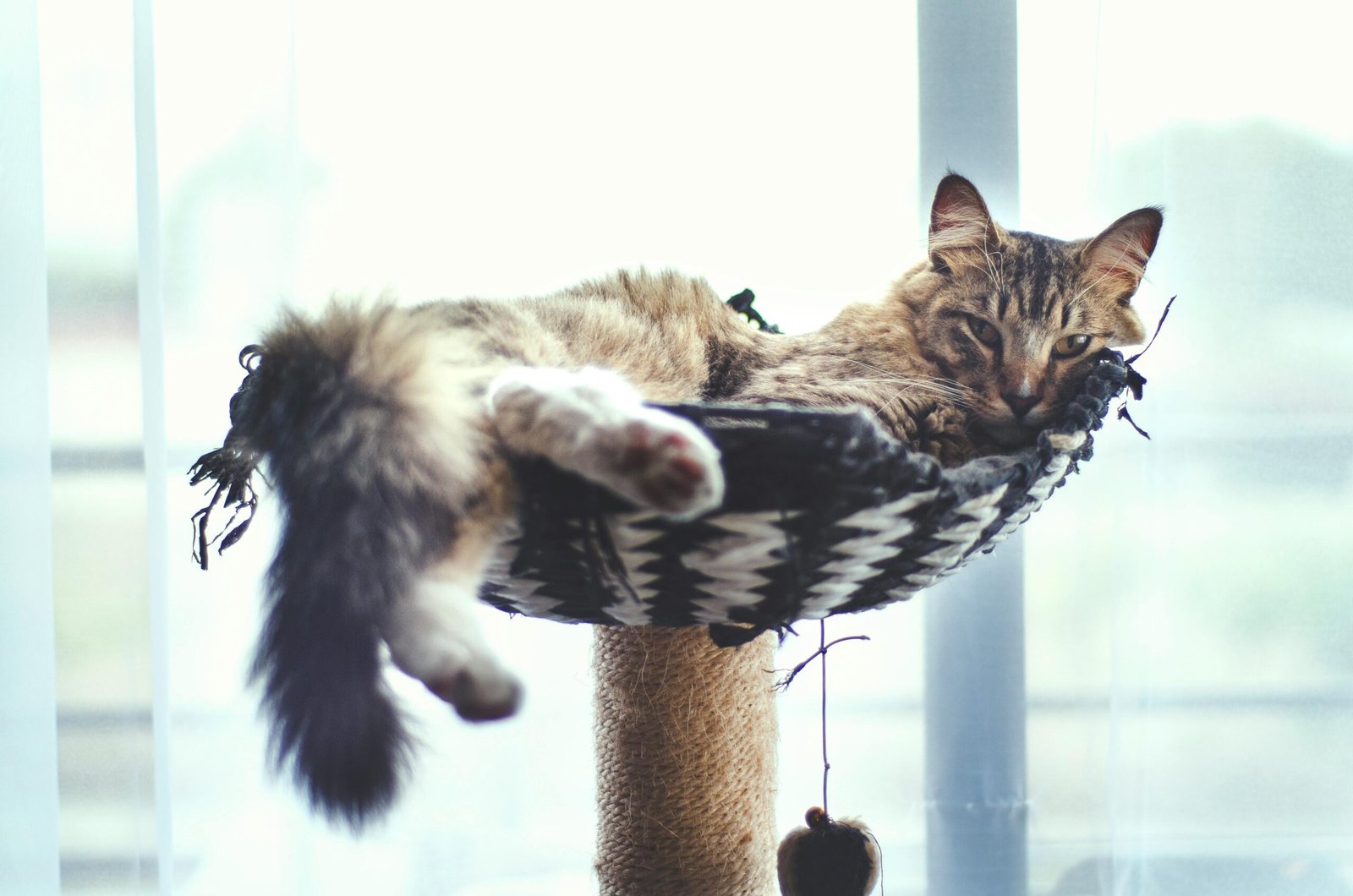
Outdoor cats face more health risks than indoor-only cats. Cars, wildlife, parasites, and other cats create daily dangers. You cannot control everything, but you can reduce many risks with consistent care. Preventative actions protect your cat long-term.
Regular veterinary checkups are essential, even if your cat looks healthy. Vaccinations protect against diseases common in outdoor environments. Flea, tick, and worm prevention should never be skipped. Parasites cause discomfort and serious health problems when untreated.
Spaying or neutering is another important safety step. It reduces roaming, fighting, and unwanted litters. Neutered cats are calmer and less likely to get injured. This improves both safety and quality of outdoor life.
You should also watch for behavior changes closely. Outdoor cats often hide pain, making small signs important. Reduced appetite, limping, or hiding can signal problems. Acting early prevents minor issues from becoming serious health concerns.
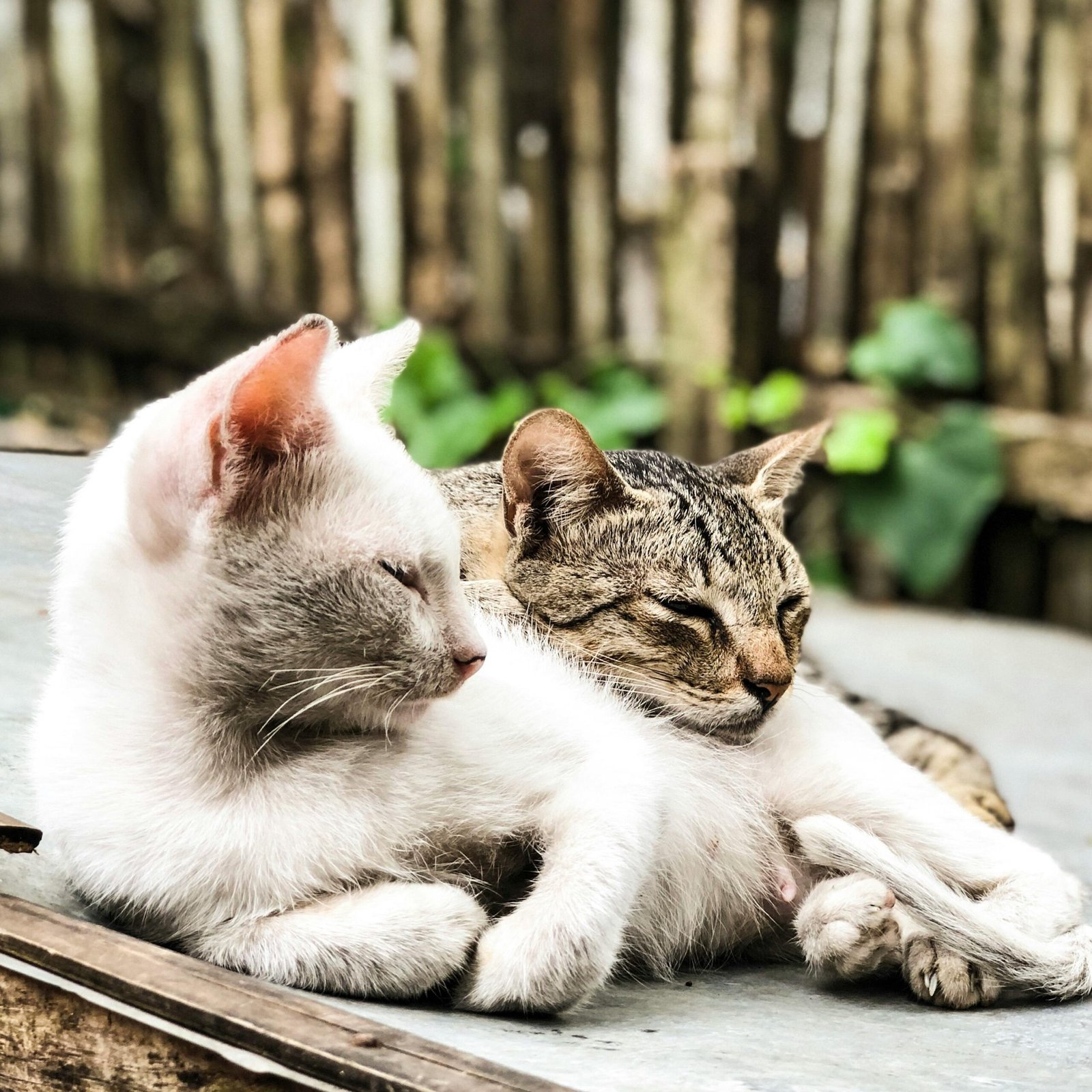
It is easy to think outdoor cats only need survival basics. In reality, comfort plays a major role in happiness and wellbeing. Cats naturally seek calm, quiet places where they can rest safely. An outdoor cat house provides that personal space.
Comfort reduces stress caused by noise, weather, or other animals. Lower stress supports better sleep and immune health. Features like wind-blocking doors and proper ventilation make shelters more comfortable. Raised platforms keep cats warm and dry.
You are not spoiling your cat by offering comfort. You are meeting a natural need for security and rest. A comfortable cat is more confident and less likely to roam dangerously. Comfort supports both physical and emotional health.
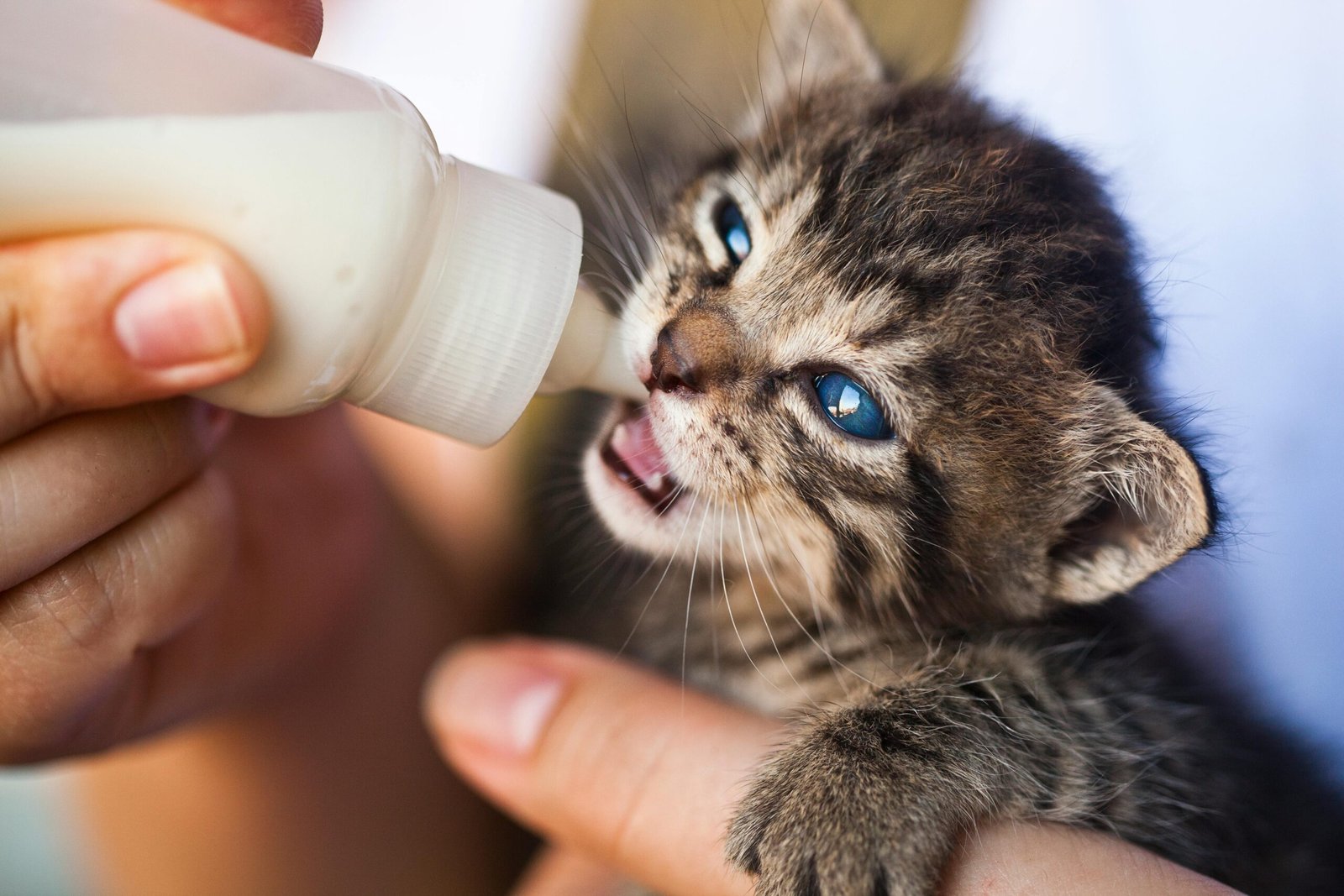
When you understand what outdoor cats truly need, caring for them becomes easier. You stop guessing and start making thoughtful choices. Your cat feels safer, healthier, and more connected to home. You gain peace of mind knowing they are protected.
An outdoor cat house, proper nutrition, and routine health care work together. They create stability in an unpredictable outdoor world. Your cat stays independent without being unsupported. That balance allows outdoor life to remain safe and enjoyable.
Meeting these needs helps your cat thrive outdoors, not just survive.
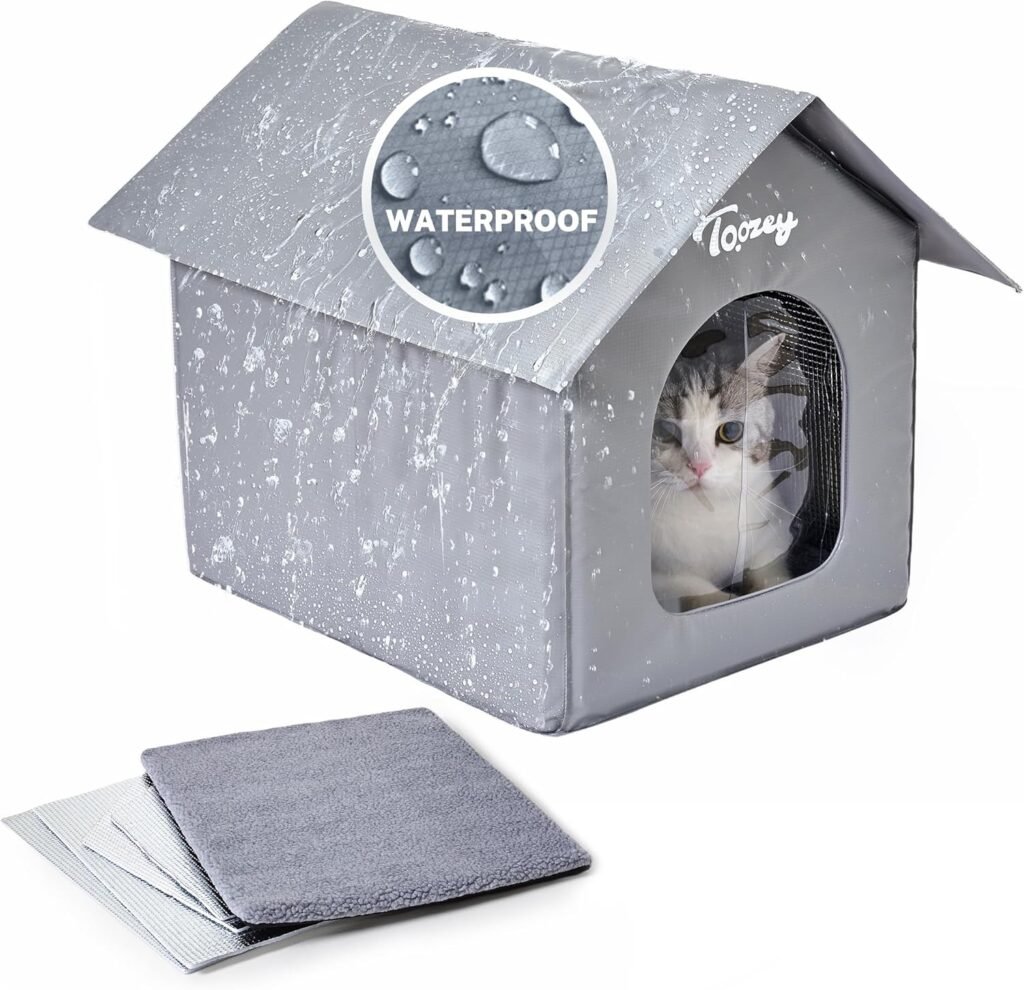
Outdoor cats deal with changing weather every single day, and the materials used in their shelter make a real difference. Rain, wind, heat, and cold can affect comfort faster than you might expect. While your cat may look tough and adaptable, exposure to harsh conditions slowly impacts health. Choosing weather-friendly materials helps your cat stay safe, dry, and comfortable year-round.
The right outdoor cat house materials protect your cat without restricting freedom. They create a stable environment that supports rest, warmth, and safety. When materials work together properly, your cat feels secure even during storms or temperature changes. Understanding these materials helps you choose smarter and avoid common shelter mistakes.
Below are the most important material features that keep outdoor cats protected in all seasons.
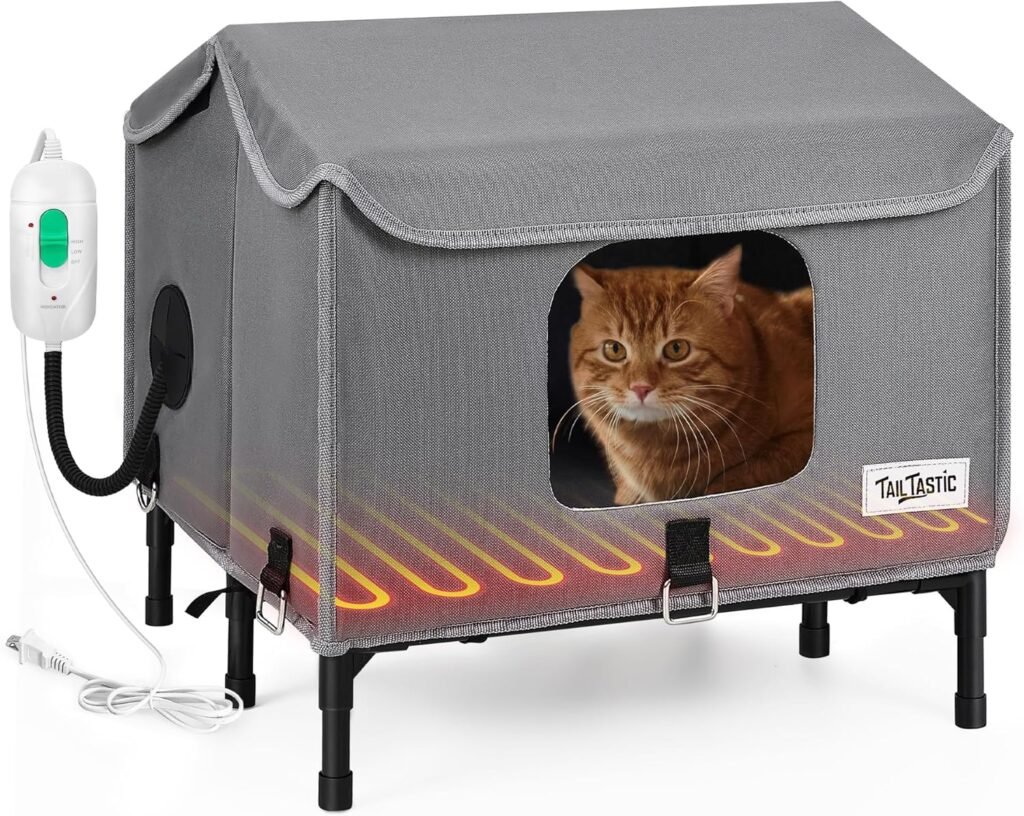
Insulation plays a major role in keeping an outdoor cat house comfortable throughout the year. During winter, insulated walls trap warmth and reduce heat loss while your cat rests. In summer, insulation also helps block excessive heat from entering the shelter. This balance keeps the interior temperature stable and reduces stress on your cat’s body.
Many high-quality outdoor cat houses use double-wall construction with foam or thermal panels. These materials slow down temperature changes caused by cold nights or sudden heat. When temperatures remain steady, your cat sleeps better and conserves energy. Good rest supports immune health and overall wellbeing.
Insulated shelters are especially important for kittens, senior cats, and short-haired breeds. These cats lose body heat faster and struggle with cold exposure. Even mild climates can become dangerous overnight without insulation. Choosing an insulated outdoor cat house gives you year-round protection instead of seasonal fixes.
Soft affiliate mention: Many insulated outdoor cat houses now include removable thermal liners, making them ideal for changing climates.
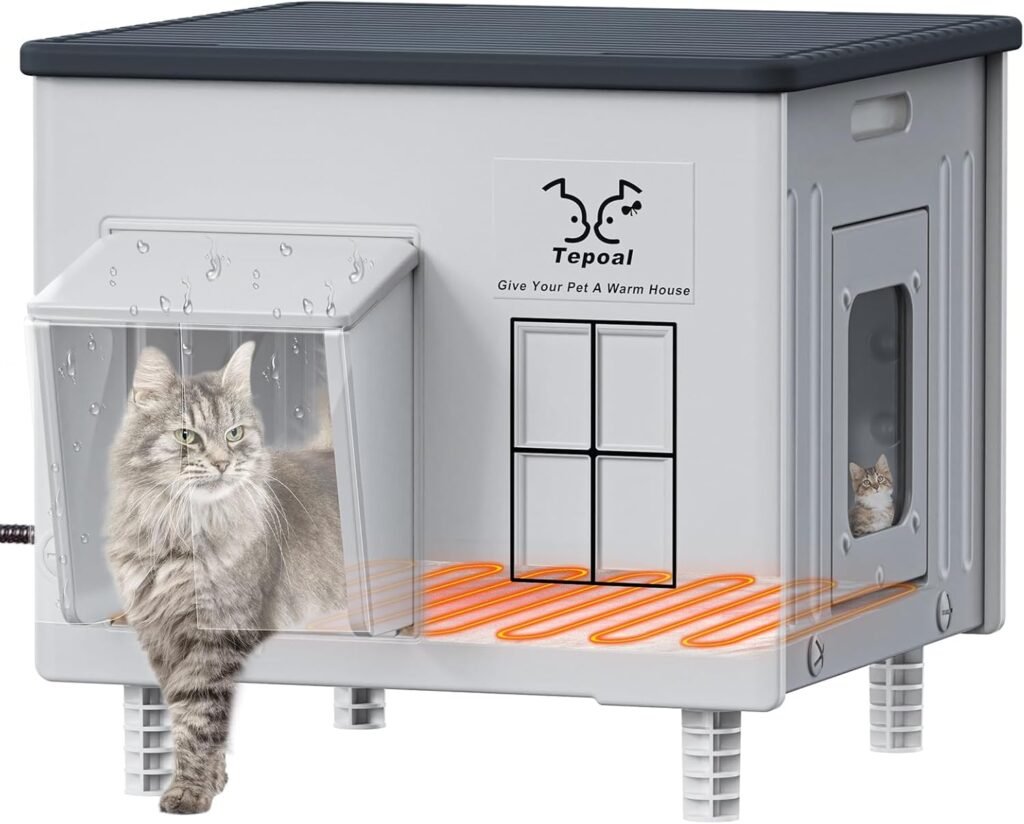
Moisture is one of the biggest threats to outdoor cat safety. Rain, snow, and damp air can soak shelters quickly if materials are poorly chosen. Wet fur lowers body temperature and increases illness risk. A waterproof exterior helps keep the shelter dry and comfortable in bad weather.
Weather-resistant materials like treated wood, plastic, or resin work well outdoors. These surfaces repel water and prevent absorption over time. Sloped roofs allow rain and snow to slide off instead of pooling. This design helps maintain dryness inside the shelter.
Sealed seams and tight joints also matter. Gaps allow wind and water to enter easily. Well-built outdoor cat houses seal edges carefully to block moisture. A dry shelter helps your cat relax without shivering or discomfort.
Soft affiliate mention: Look for outdoor cat houses labeled weatherproof or waterproof for reliable rain and snow protection.
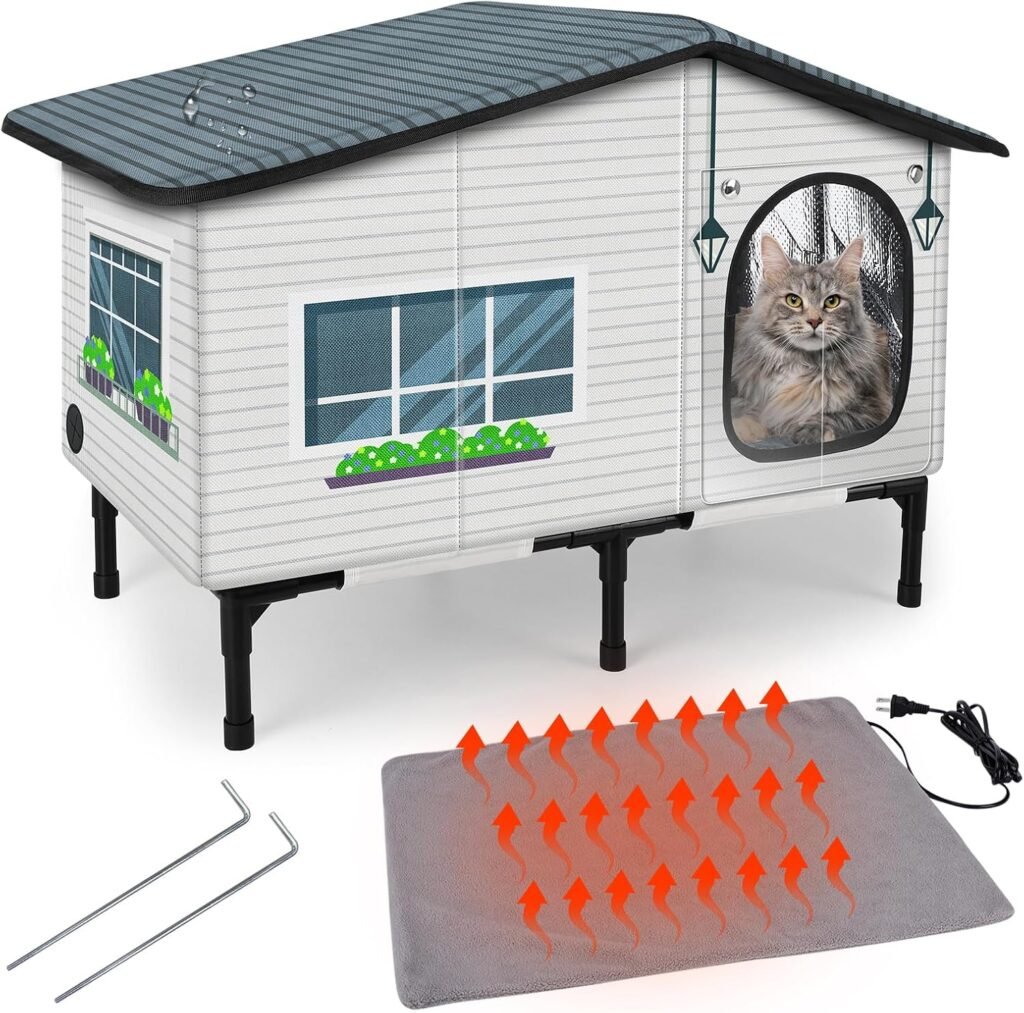
Cold ground pulls warmth away from resting cats faster than air exposure. Damp soil and concrete increase moisture inside shelters. Raised floors solve this problem by lifting the shelter above ground level. Even small elevation improves warmth and dryness significantly.
Raised outdoor cat houses allow air circulation underneath, which helps regulate temperature naturally. This airflow reduces moisture buildup and prevents mold growth. Elevated shelters also stay cleaner and attract fewer insects. These benefits improve comfort and hygiene at the same time.
Many outdoor cat houses include built-in platforms or raised bases. If a shelter sits directly on the ground, you can add a stable platform underneath. Keeping the shelter elevated protects your cat during heavy rain or snow melt.
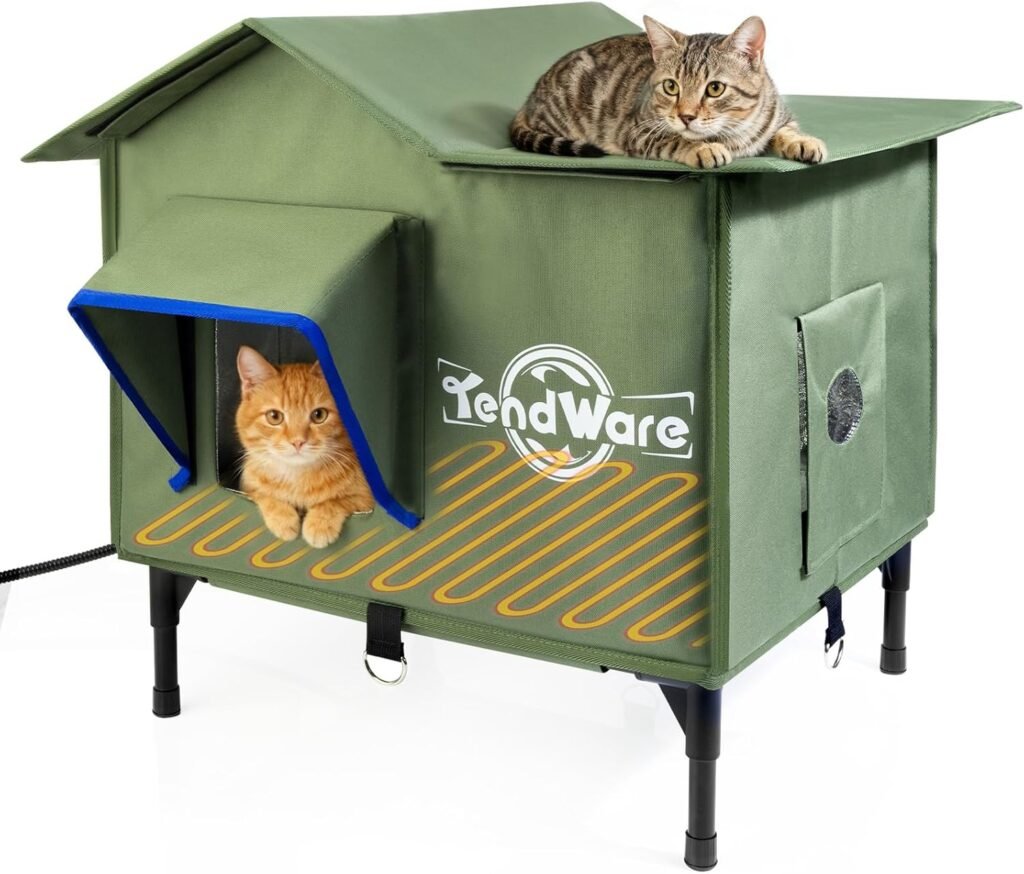
Wind exposure can quickly make a shelter uncomfortable. Strong drafts lower internal temperature and create stress. Cats often avoid shelters that feel unstable or cold. Entrance design plays a big role in blocking wind effectively.
Smaller door openings reduce direct airflow inside the shelter. Offset entrances prevent wind from blowing straight through. Some outdoor cat houses include vinyl door flaps that block wind while allowing easy access. Cats adjust to these flaps quickly and use them confidently.
Door placement also matters. Entrances should face away from prevailing winds whenever possible. This simple adjustment improves warmth and comfort without extra materials. A calm interior encourages your cat to rest longer and return often.
Soft affiliate mention: Many insulated outdoor cat houses now include wind-blocking flaps designed for outdoor safety.
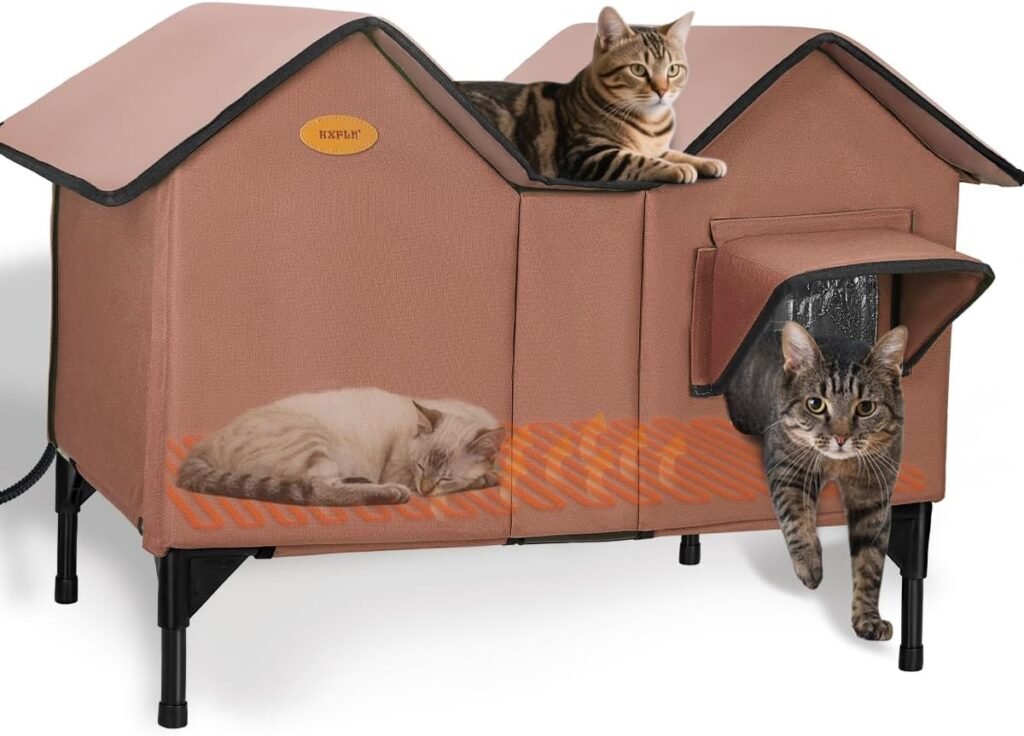
Interior materials matter just as much as exterior construction. Moisture buildup inside shelters creates cold and unhealthy conditions. Bedding should stay dry, breathable, and warm without trapping water.
Straw works better than blankets because it repels moisture naturally. Thermal pads designed for outdoor pets also work well. These pads reflect body heat without electricity and require little maintenance. Avoid foam cushions that absorb water and freeze easily.
Dry interiors support better sleep and lower stress. A comfortable cat rests more deeply and stays healthier. Interior material choices directly affect daily comfort and long-term wellbeing.
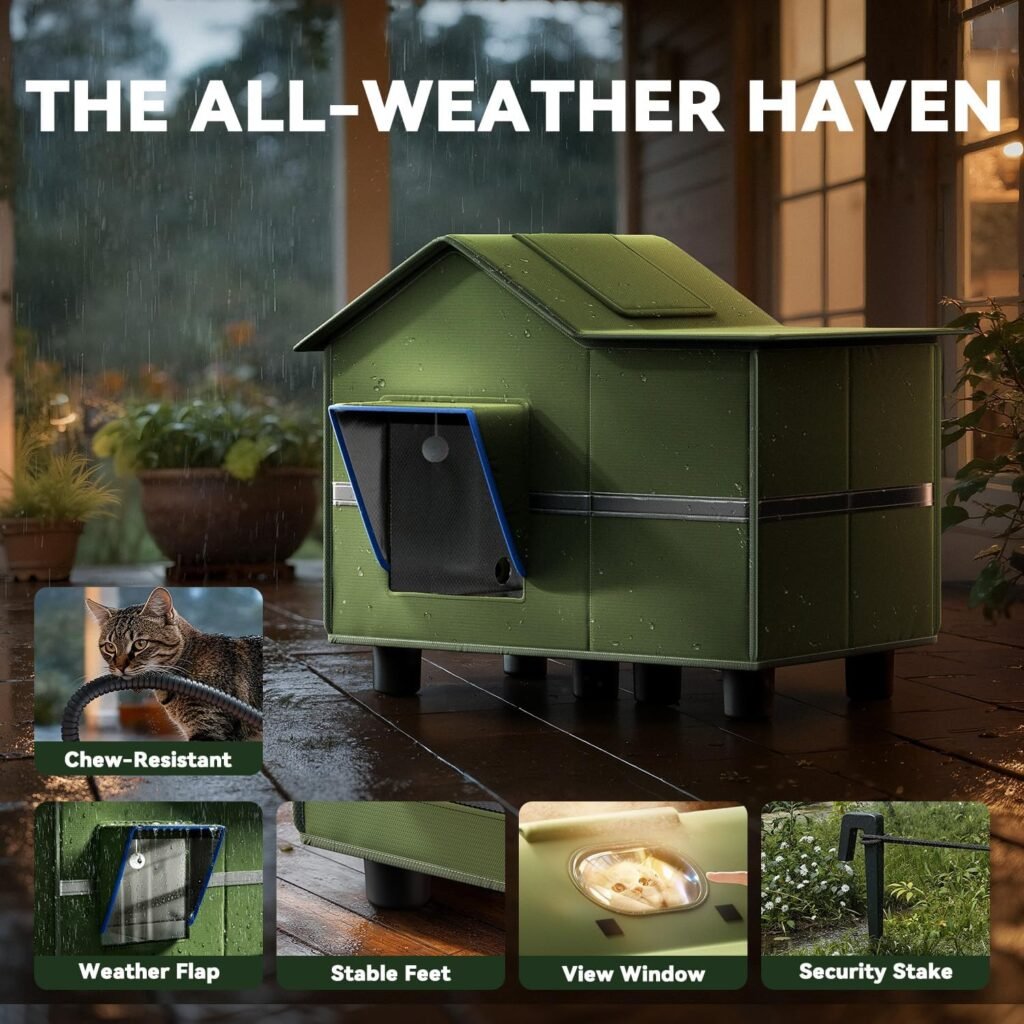
Weather-safe materials do more than improve comfort. They protect your cat’s immune system by reducing exposure stress. Dry, insulated shelters lower illness risk during cold and wet seasons. Comfortable environments also support better sleep and energy balance.
Cats that feel safe return to their shelters willingly, even during storms. A trusted outdoor cat house becomes part of their routine. This stability keeps cats closer to home and reduces risky roaming. Investing in proper materials is an investment in your cat’s long-term health.
Placing an outdoor cat house is just as important as choosing the shelter itself. Even the best-designed cat house will fail if it sits in the wrong spot. Your cat wants safety, warmth, and calm surroundings before anything else. Smart placement helps your cat feel secure and willing to use the shelter daily.
Outdoor cats are alert and cautious by nature. They scan surroundings before resting and avoid areas that feel risky. When you place the shelter thoughtfully, you meet those instincts naturally. Good placement also improves insulation performance and weather protection. A well-placed outdoor cat house becomes a trusted retreat instead of a ignored box.
Before setting the shelter down permanently, observe your cat’s habits. Cats often show you their preferred resting zones. Using those clues makes placement easier and more successful.
Outdoor cats prefer quiet spaces where they can relax without constant disturbance. Loud noises, heavy foot traffic, and sudden movement increase stress. You should place the outdoor cat house away from busy walkways, doors, and driveways. Calm locations help your cat feel safe enough to rest deeply.
Backyards, side yards, or garden corners often work well. These areas provide privacy and fewer surprises. Cats like observing their environment from a distance without being exposed. This sense of control improves confidence and comfort.
Avoid placing the shelter near garages, trash bins, or mechanical equipment. Sudden sounds or vibrations can scare cats away. Even friendly activity may feel threatening from a cat’s perspective. Quiet placement increases shelter use significantly.
Natural barriers help too. Fences, shrubs, and walls block noise and movement. These features also provide visual cover from predators. Using existing structures makes the shelter feel more secure without extra effort.
If you live in a shared space, choose the least disturbed area available. Even small reductions in noise improve comfort. Your cat will show appreciation by returning often.
Weather exposure affects outdoor cats every day. Wind, rain, snow, and direct sunlight can quickly reduce comfort. You should position the outdoor cat house with the entrance facing away from prevailing winds. This simple change helps retain warmth immediately.
Look for natural windbreaks like walls or fences. These reduce drafts and shield the shelter from rain. Placing the shelter near a solid surface also helps stabilize temperatures. However, avoid damp walls that trap moisture.
Sun exposure needs balance. Direct sunlight can overheat shelters during warm months. Too much shade can reduce warmth during colder seasons. Aim for partial shade that shifts throughout the day. Balanced exposure keeps interior temperatures stable.
Ground conditions matter as well. Avoid low spots where water collects. Moisture buildup increases cold and discomfort. Dry ground supports better insulation performance. Weather protection starts from the ground up.
During extreme seasons, minor adjustments help greatly. Moving the shelter a few feet can change wind or sun exposure. Seasonal awareness keeps your cat comfortable year-round.
Elevation improves both safety and warmth for outdoor cats. Ground-level shelters absorb cold and moisture quickly. Raising the outdoor cat house even a few inches makes a noticeable difference. Elevated shelters stay drier and warmer.
Elevation also discourages insects and pests. Fleas, ants, and bugs prefer ground-level access. Raised shelters remain cleaner and more comfortable. Cats also enjoy elevated spaces because they improve visibility.
You can use built-in legs, platforms, or sturdy pallets. Always ensure the base is stable and level. Wobbling shelters make cats uneasy. Stability builds trust and encourages use.
Placing the shelter near familiar resources increases acceptance. Cats rely heavily on routine and scent. Keeping the outdoor cat house near feeding areas builds positive associations. Familiar smells create comfort.
Avoid placing food directly inside the shelter. Food attracts unwanted animals and creates stress. Instead, place bowls nearby but separate. This keeps the shelter calm and safe.
Routine placement reduces roaming behavior. When food, water, and shelter stay close, cats remain nearby. This improves safety and strengthens daily habits.
Even a high-quality outdoor cat house fails without proper placement. Location determines warmth, safety, and comfort more than design alone. Smart placement helps cats rest deeply and return often. Regular shelter use improves health and reduces risky wandering.
When you choose placement carefully, your cat trusts the shelter. Trust leads to routine, comfort, and security. A well-placed hideout becomes part of daily life. That consistency benefits both you and your cat.
Clever placement turns a simple shelter into a cozy, reliable retreat. And that is what outdoor cats truly need.




Select at least 2 products
to compare





Leave a comment