0 Items
No products in the cart.
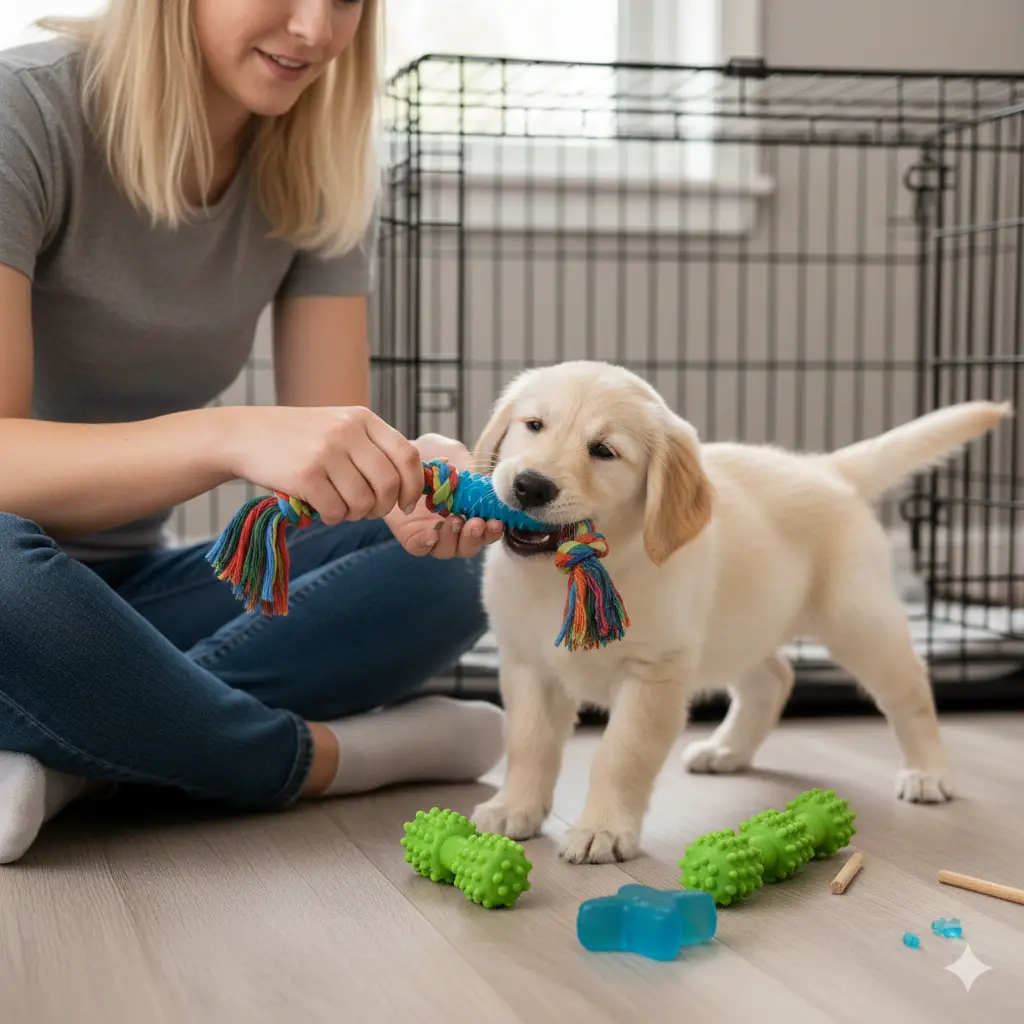
Teething can feel confusing when you’re a new puppy parent, but don’t worry, you’re not alone. Almost every puppy goes through this phase, and most of the behaviours you see are completely normal. Once you understand what’s happening inside your puppy’s mouth, everything starts to make sense. Let’s break it down in a simple, stress-free way, so you know exactly what to expect.
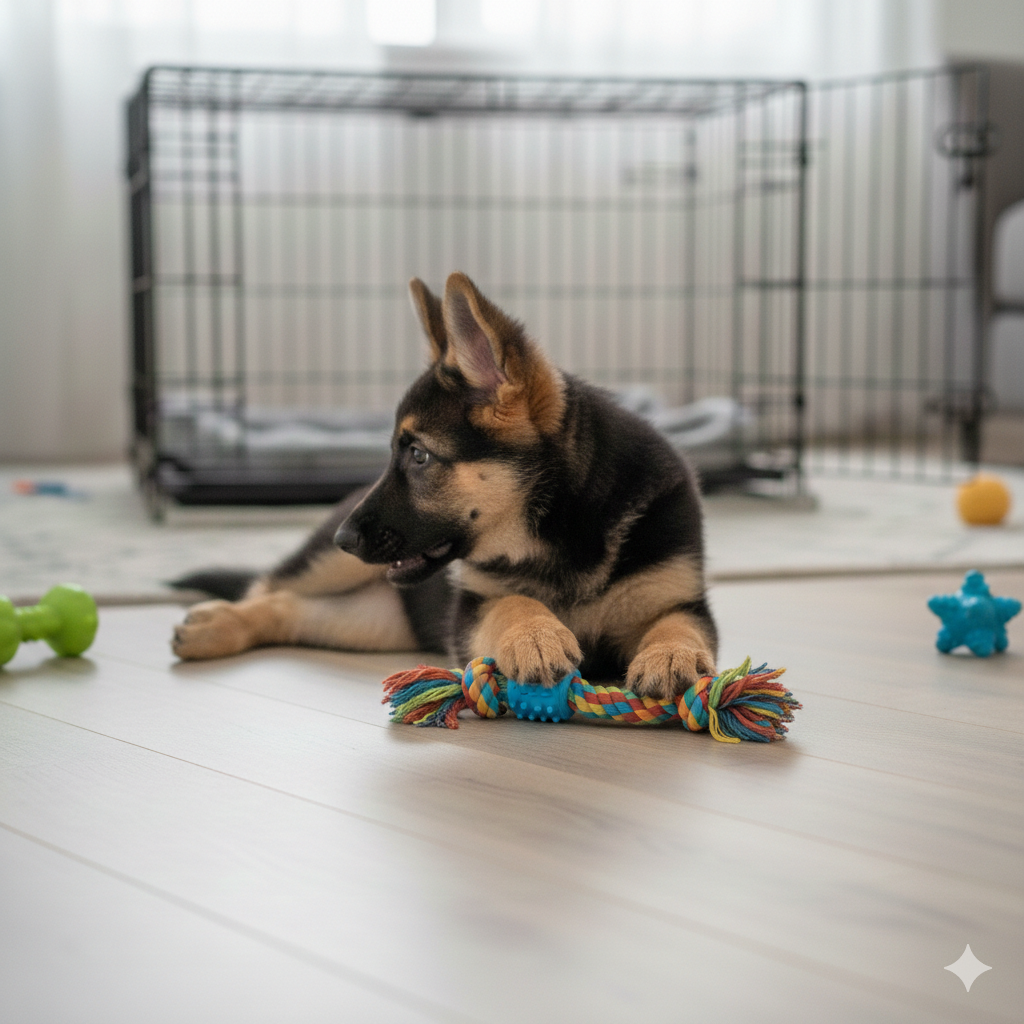
One of the first signs your puppy is teething is a sudden obsession with chewing everything in sight. Shoes, furniture legs, blankets, and even your fingers may become chew targets. This happens because chewing helps relieve pressure and discomfort in sore gums.
You may notice your puppy chewing more intensely than before, especially during quiet moments. This doesn’t mean your puppy is misbehaving or becoming aggressive. It’s simply their way of soothing irritated gums while baby teeth loosen and adult teeth push through.
Providing proper dog teething toys during this stage is extremely helpful. These toys give your puppy a safe outlet for chewing and protect your belongings. Look for textured surfaces that massage gums and satisfy chewing urges. Rotating toys can also keep your puppy interested and prevent boredom.
Chewing is not something to stop completely. Instead, you want to guide it in the right direction using safe puppy toys and positive reinforcement.
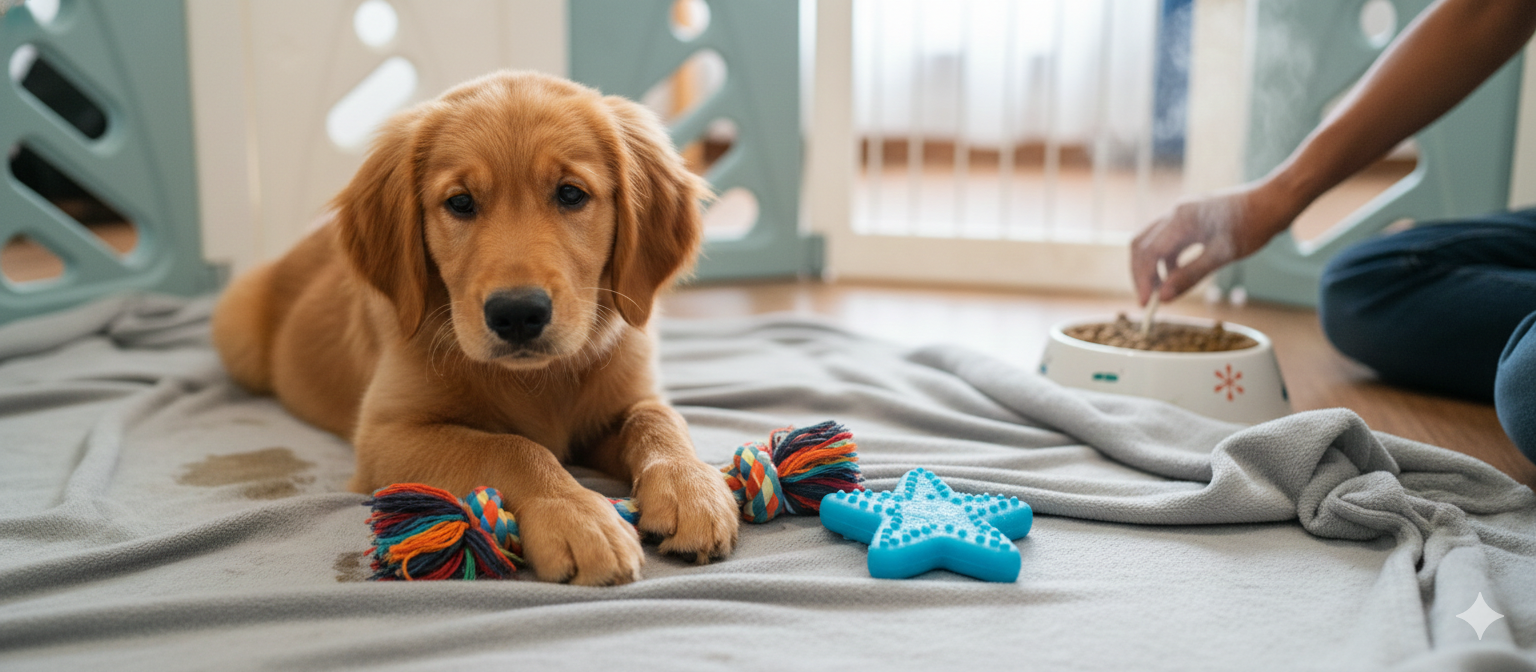
Teething puppies often drool more than usual, and you may notice damp spots on bedding or toys. This extra saliva is a normal response to gum inflammation and discomfort. Some puppies drool only a little, while others seem like tiny fountains.
You might also notice slight whining, restlessness, or mood changes. Your puppy may appear clingy one moment and grumpy the next. This emotional shift is common and usually temporary. Teething discomfort can make puppies more sensitive, especially when they’re tired.
At times, your puppy may lose interest in food or eat more slowly. This can happen if chewing feels uncomfortable. Softening dry kibble with warm water can make meals easier during this phase.
Cold dog teething toys, especially ones chilled in the fridge, can help soothe sore gums. Always avoid frozen toys that are too hard, as they may damage developing teeth.
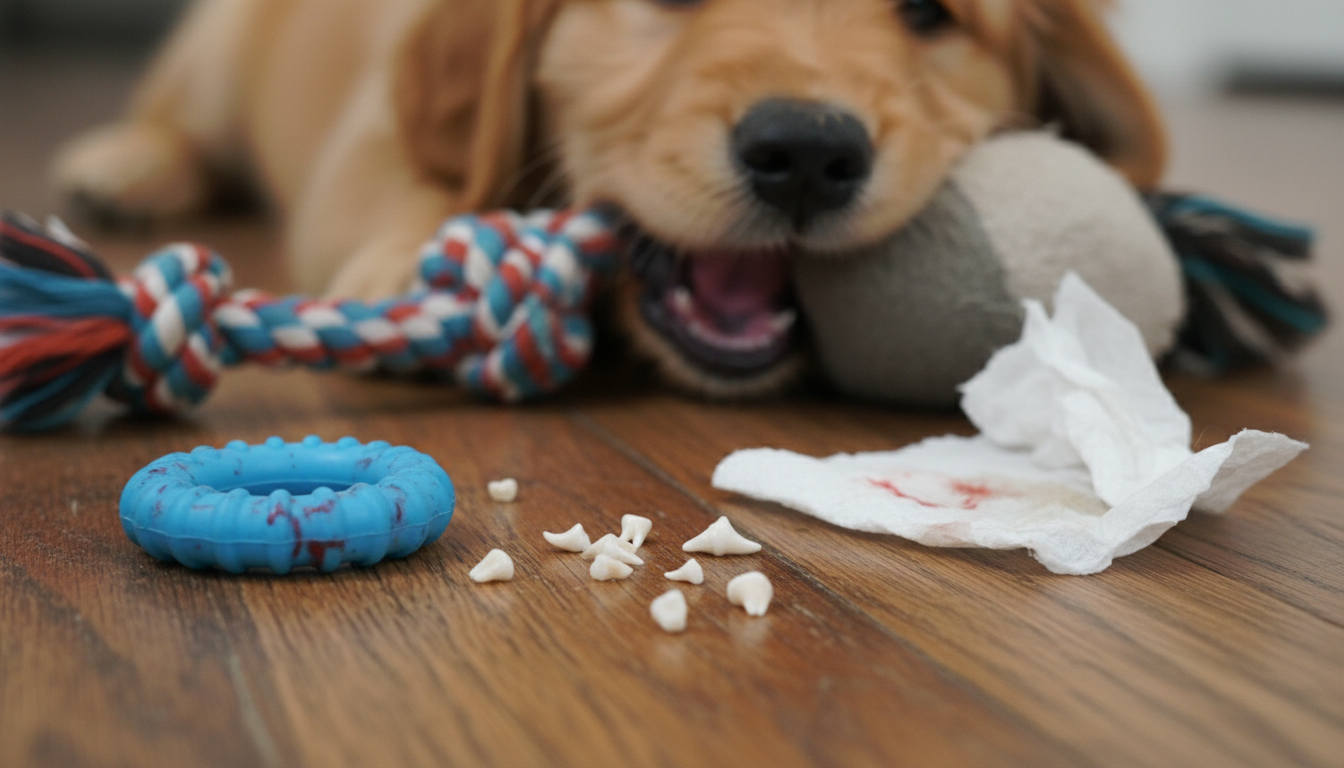
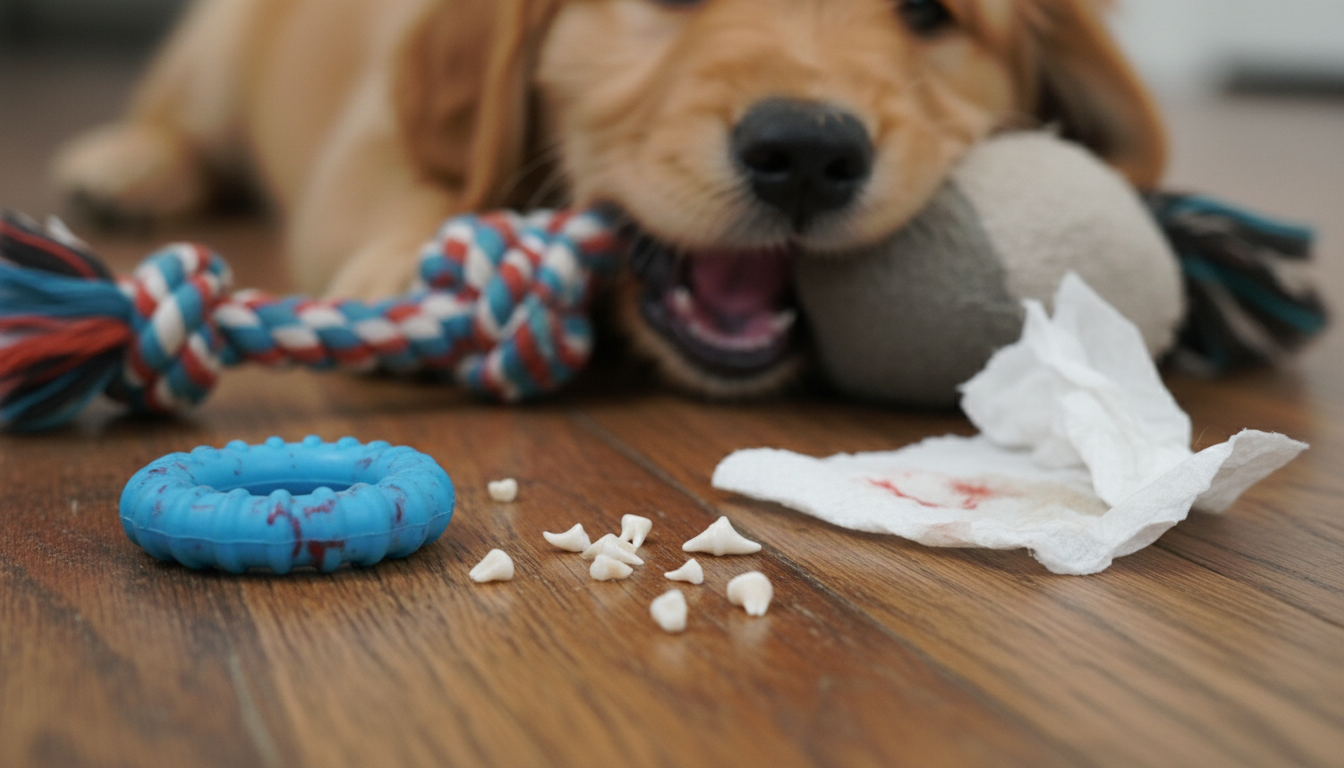
Take a peek inside your puppy’s mouth if they allow it. You may see red, swollen gums or small white teeth pushing through. Sometimes, you’ll even find tiny baby teeth on the floor or stuck in toys. This can be surprising, but it’s completely normal.
Most puppies start teething around three to four months of age. The process continues until about six months, when adult teeth are fully in place. During this time, gums can look tender and slightly inflamed.
A small amount of blood on toys or chews can also occur. While this may look alarming, light bleeding is usually harmless. However, heavy bleeding or signs of infection should be checked by a veterinarian.
Using safe chew toys designed for puppies helps reduce gum irritation and supports healthy dental development. Avoid giving hard bones or adult chew toys during this stage.
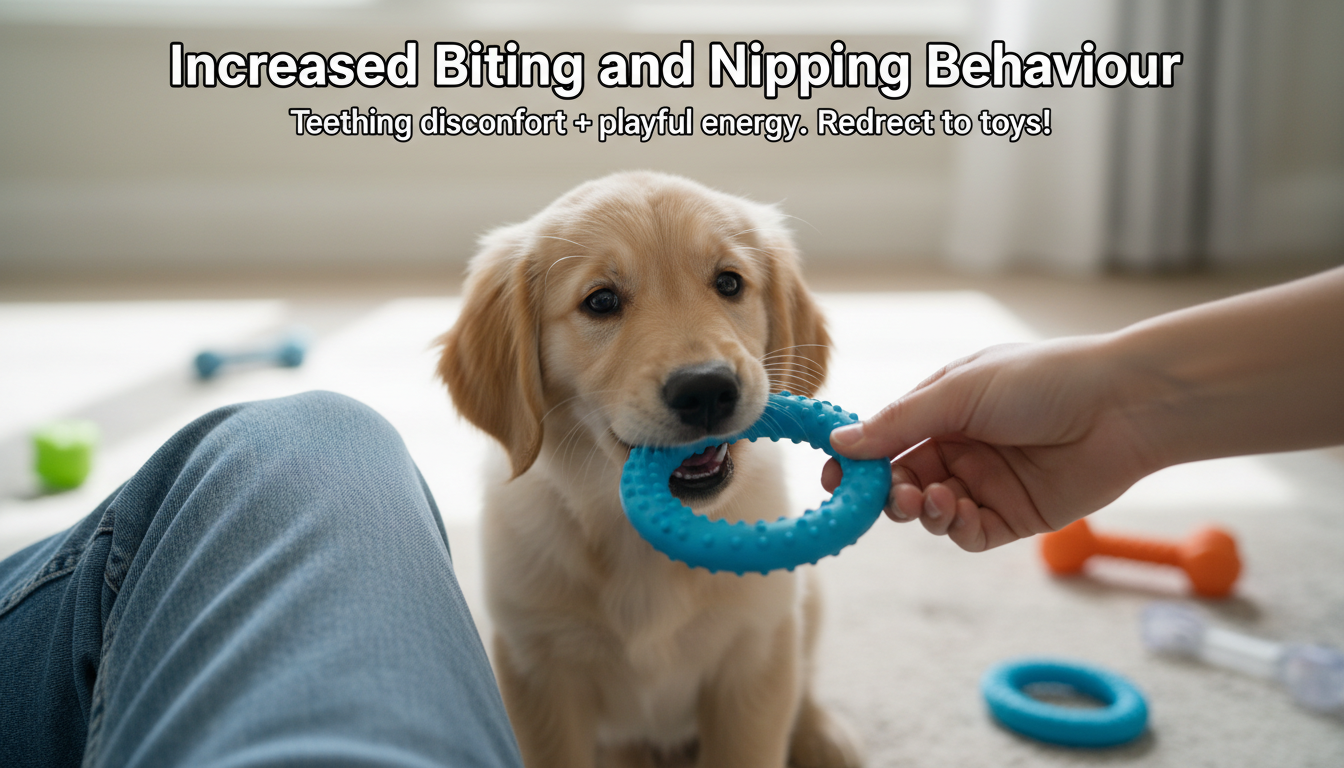
Teething often comes with increased biting, especially during playtime. Puppies explore the world with their mouths, and sore gums make biting feel extra satisfying. This doesn’t mean your puppy is aggressive or poorly trained.
You may notice more nipping at hands, clothing, or pant legs. This behavior is a mix of teething discomfort and playful energy. Redirecting your puppy to dog teething toys instead of your hands is the best solution.
Consistency is key here. When your puppy bites, calmly offer a toy and praise them for chewing the right thing. Over time, they’ll learn what’s acceptable and what’s not.
This phase will pass, and most puppies naturally reduce biting once teething ends. Patience and gentle guidance go a long way.
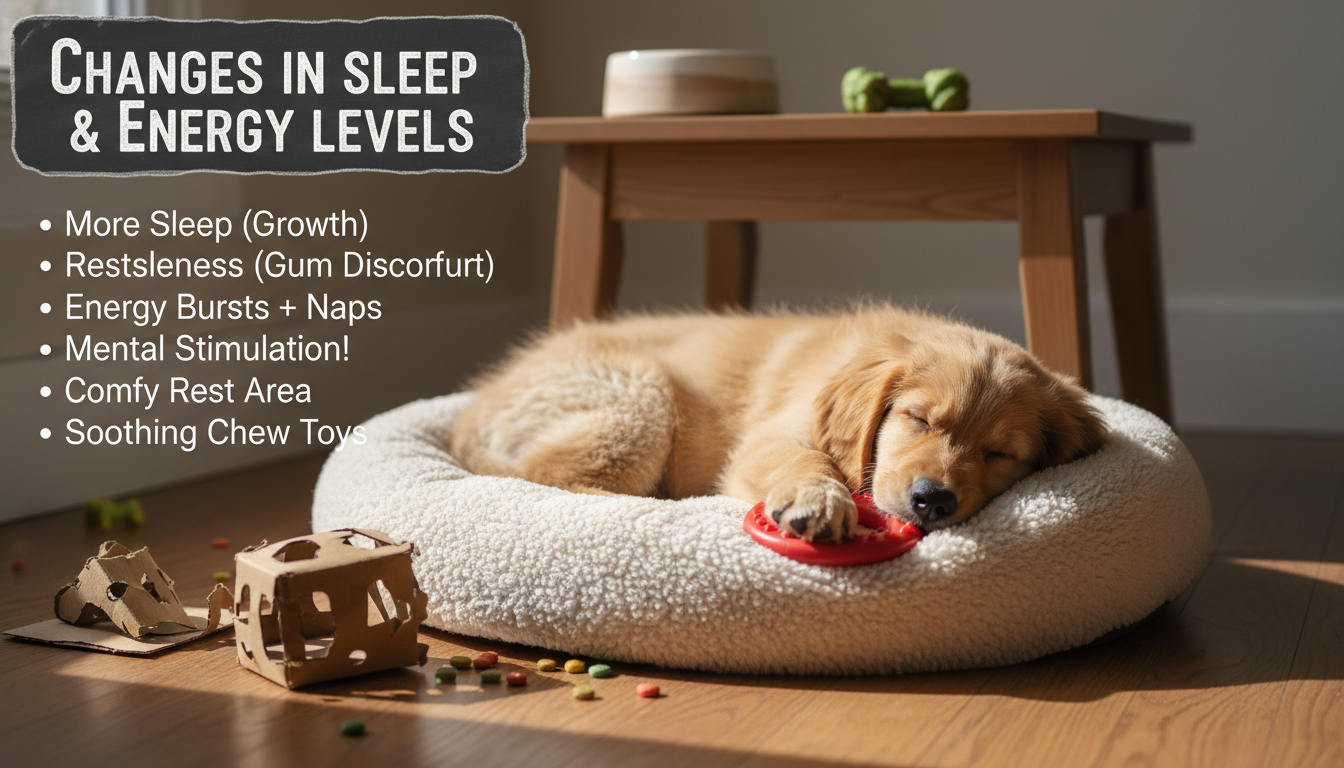
Teething can also affect your puppy’s sleep patterns. Some puppies sleep more because their bodies are working hard to grow new teeth. Others may wake up restless due to gum discomfort.
You might notice bursts of energy followed by sudden naps. This is normal and part of puppy development. Providing mental stimulation through play and puzzle toys can help balance energy levels.
Make sure your puppy has a comfortable resting area and access to soothing chew toys during downtime. Calm chewing before bedtime can even help your puppy settle faster.
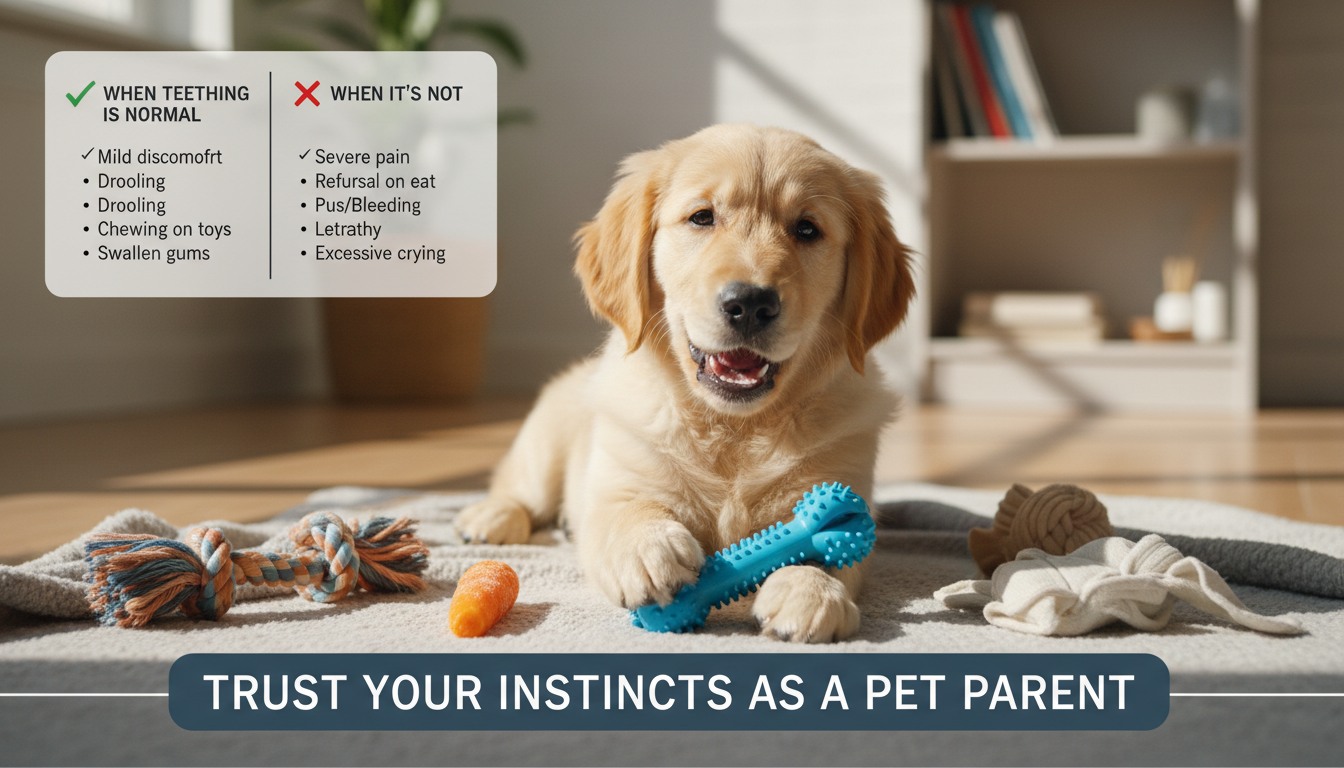
Most teething symptoms are mild and manageable at home. However, it’s important to know when something isn’t normal. Severe pain, refusal to eat for extended periods, bad breath, or pus around gums may signal a problem.
If your puppy seems unusually lethargic or cries excessively, a vet visit is a good idea. Trust your instincts as a pet parent.
For the majority of puppies, teething is just another temporary growth phase. With patience, proper care, and the right dog teething toys, you can make this stage easier for both of you.
Before you know it, your puppy will have a healthy adult smile and far less interest in chewing everything you own.
Teething is one of the most uncomfortable stages of puppyhood, and your puppy definitely feels it. When new teeth start pushing through the gums, soreness, swelling, and irritation are common. That’s why puppies chew everything they can reach. Dog teething toys are designed to turn this uncomfortable phase into a manageable one by giving your puppy safe, soothing relief while protecting your home at the same time.
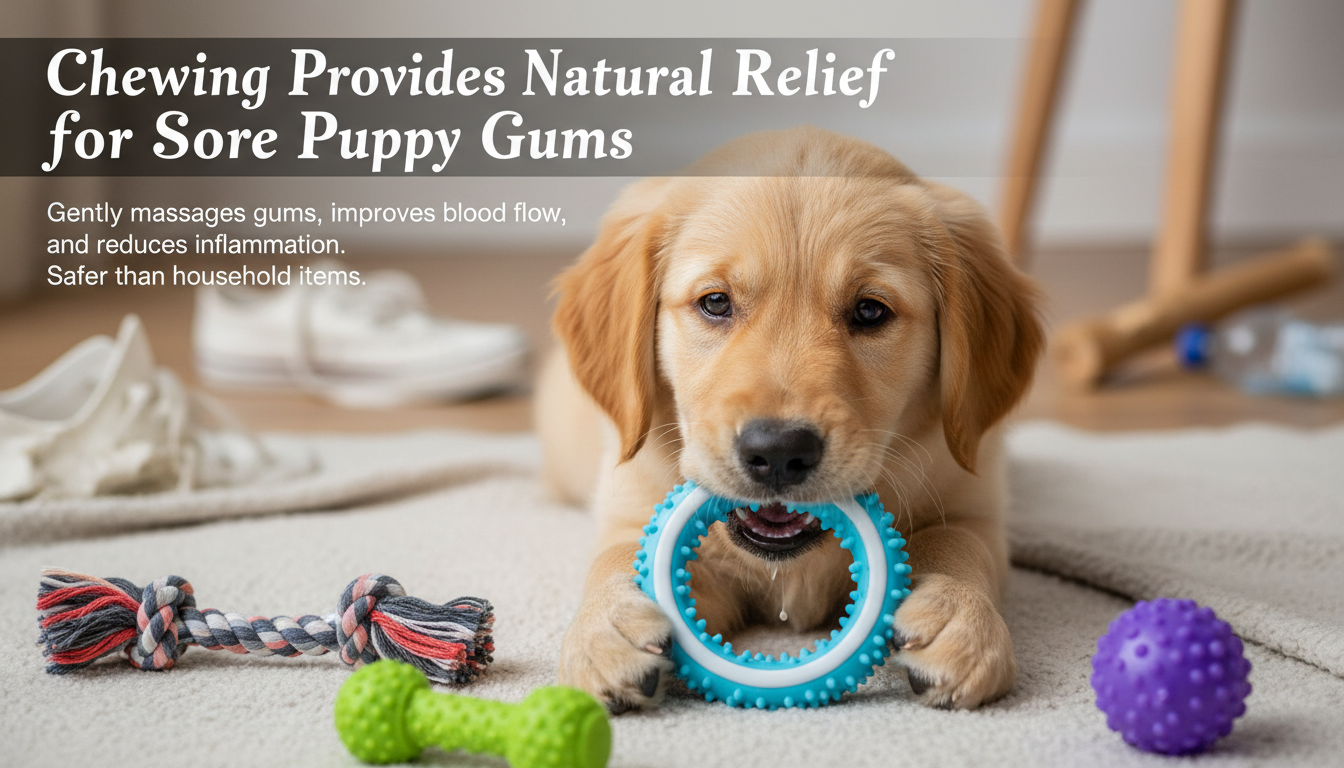
Chewing is your puppy’s natural way of dealing with gum pain. When pressure builds under the gums, biting down helps release that tension. Dog teething toys are created with soft yet durable materials that allow your puppy to chew without causing harm.
As your puppy chews, the toy gently massages the gums. This improves blood flow and reduces inflammation, which can ease soreness over time. You may notice your puppy becoming calmer and more focused while chewing, which is a good sign the toy is doing its job.
Unlike household items or hard objects, puppy-safe chew toys are designed to match the sensitivity of developing teeth. This makes them far safer than shoes, furniture legs, or random plastic items your puppy might grab otherwise.
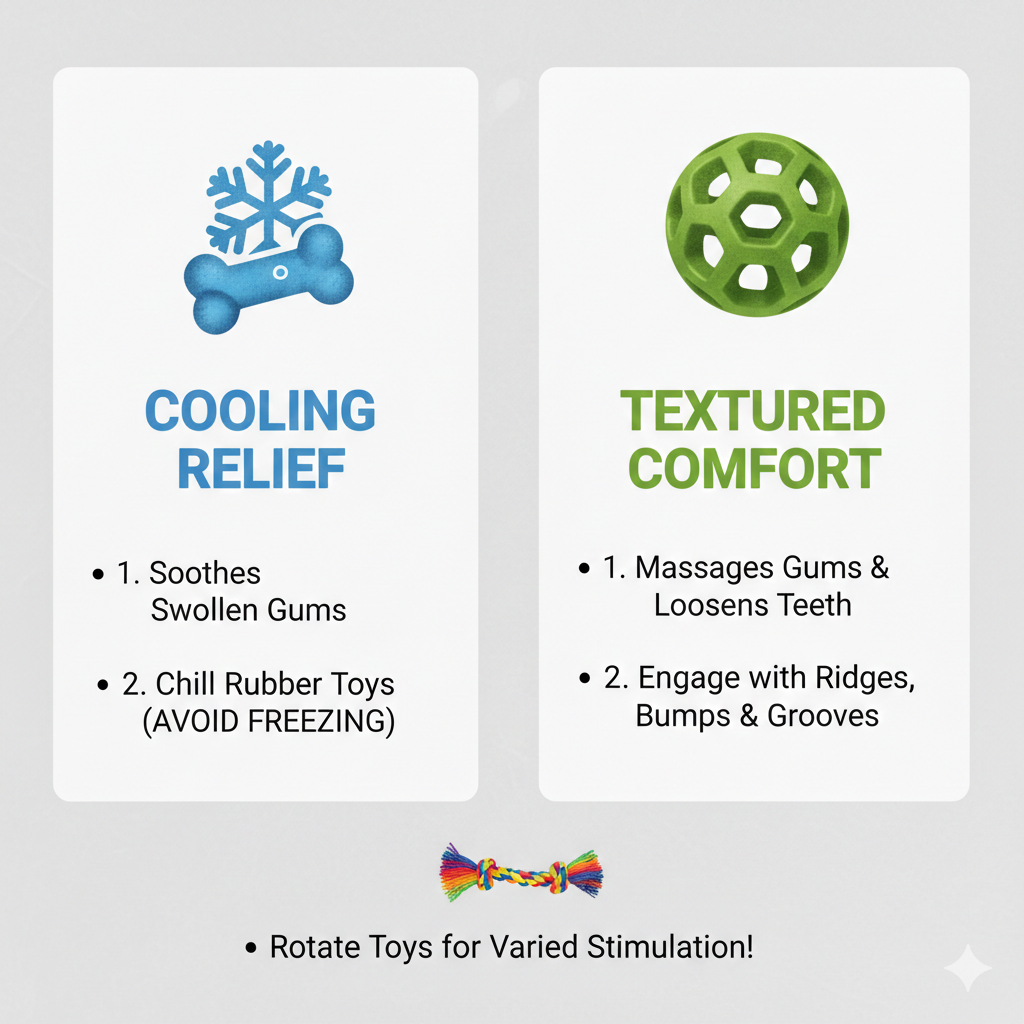
Many dog teething toys offer cooling or textured surfaces, both of which are incredibly effective for soothing pain. Cool temperatures can numb sore gums slightly, giving your puppy quick comfort during especially uncomfortable moments.
Some rubber teething toys can be placed in the refrigerator for short periods. The gentle cold helps reduce swelling and provides immediate relief. This works similarly to how teething rings help human babies, but always avoid freezing toys solid.
Texture also plays a major role. Toys with ridges, bumps, or grooves stimulate the gums in different ways. This gentle stimulation can help loosen baby teeth naturally while keeping your puppy engaged and curious.
Rotating toys with different textures keeps your puppy interested and ensures their gums get varied stimulation throughout the teething phase.
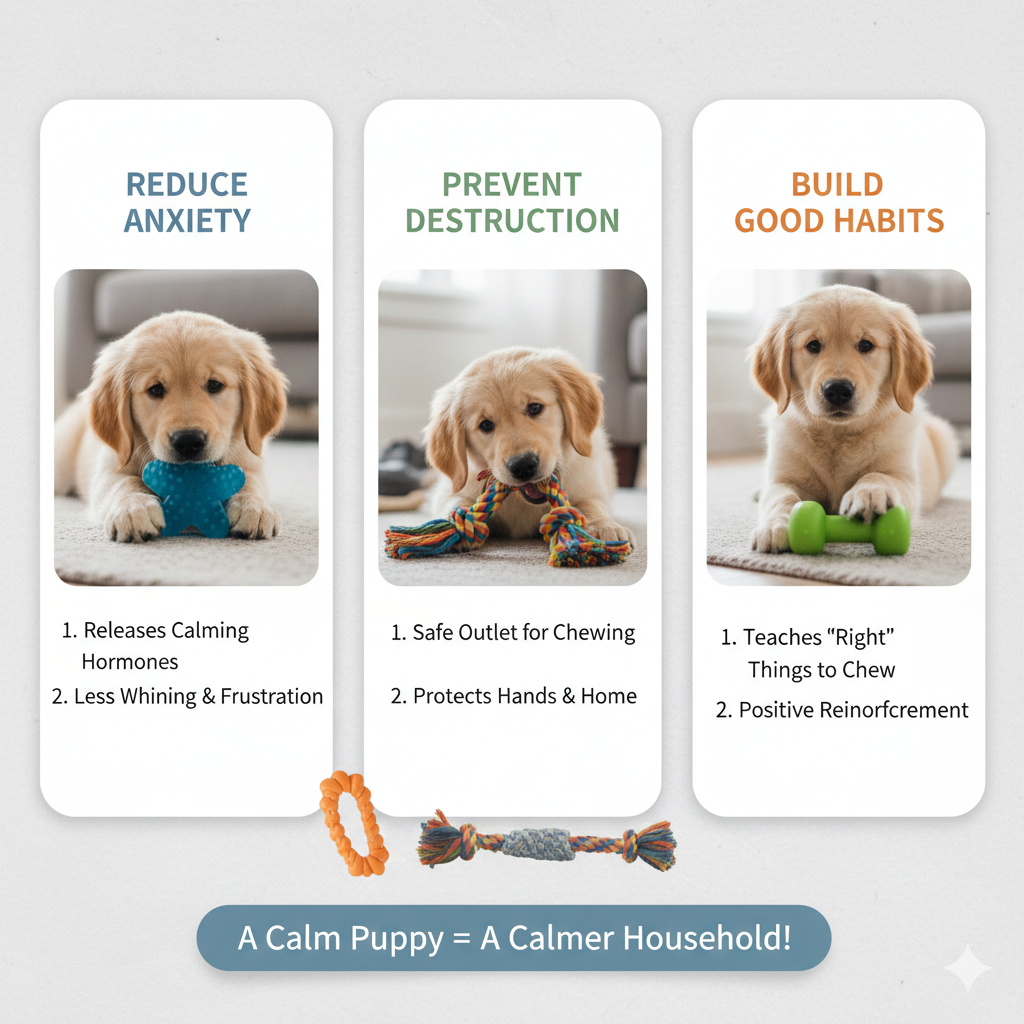
Teething doesn’t just cause physical discomfort. It can also make your puppy restless, frustrated, and anxious. When puppies don’t have proper outlets for chewing, they often turn to destructive behaviours like biting hands, furniture, or baseboards.
Dog teething toys provide a safe and acceptable outlet for this natural behaviour. Chewing releases calming hormones that help your puppy relax and feel more secure. This can reduce excessive whining, nipping, and hyperactivity.
When you consistently redirect your puppy to their teething toys, they quickly learn what is appropriate to chew. This builds healthy habits early and prevents long-term behaviour issues related to chewing.
A calm puppy usually means a calmer household, which makes this stage easier for both of you.
Beyond immediate pain relief, dog teething toys also support healthy dental development. Chewing encourages baby teeth to loosen and fall out naturally, making room for adult teeth to grow properly.
Good-quality teething toys help strengthen jaw muscles and promote proper bite alignment. They also reduce early plaque buildup, which supports better oral hygiene as your puppy grows.
It’s important to avoid overly hard chews during teething. Adult dog bones or rigid nylon toys can crack fragile puppy teeth or irritate sensitive gums. Always choose toys specifically labelled for puppies or teething dogs.
By using the right teething toys now, you’re setting the foundation for better dental health and fewer problems later in life.
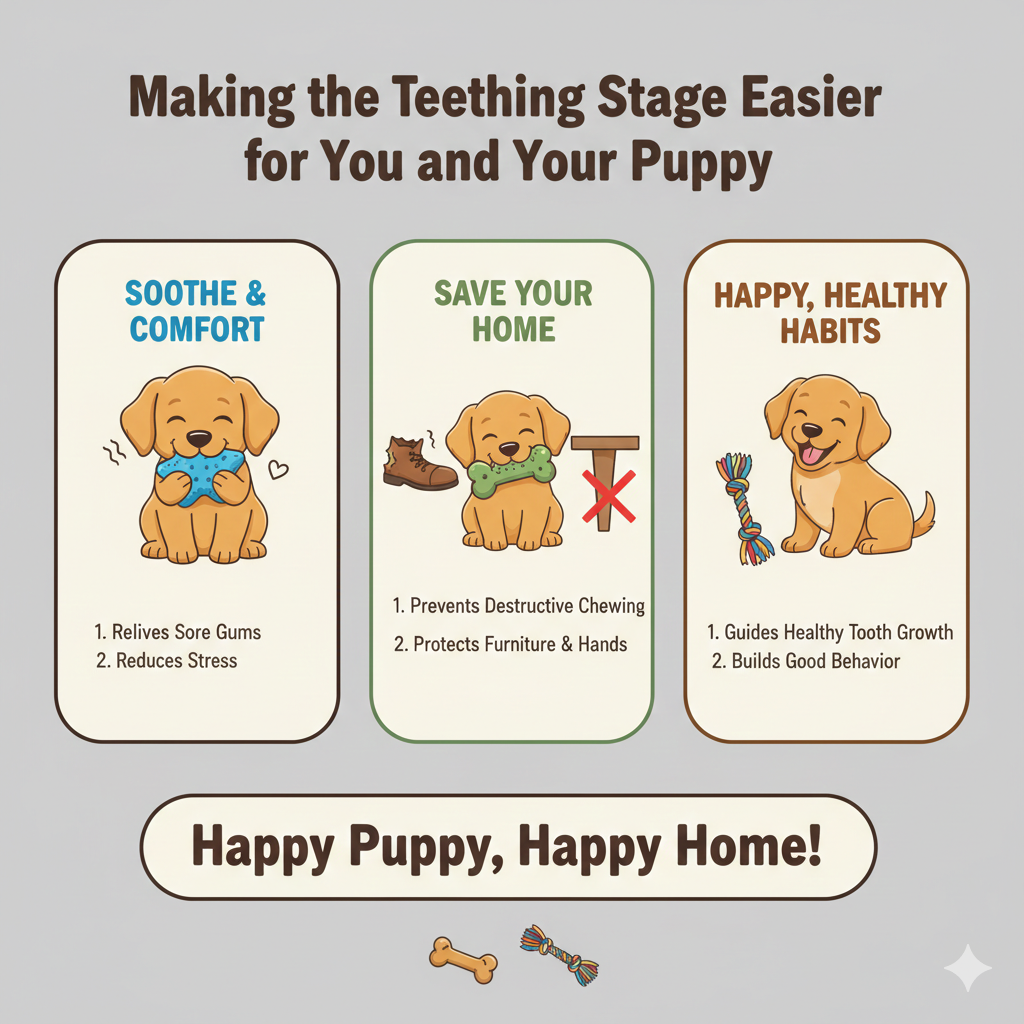
Teething can feel overwhelming, but it doesn’t have to be chaotic. Dog teething toys give your puppy comfort, relief, and safe stimulation during a challenging developmental stage.
They help soothe sore gums, reduce stress, prevent destructive chewing, and support healthy tooth growth. Most importantly, they give your puppy something positive to focus on when discomfort strikes.
With patience, consistency, and the right teething toys, this phase becomes much more manageable. Your puppy feels better, learns good habits, and you get peace of mind knowing you’re supporting their health and happiness.
Teething may be temporary, but the habits you build now will last a lifetime
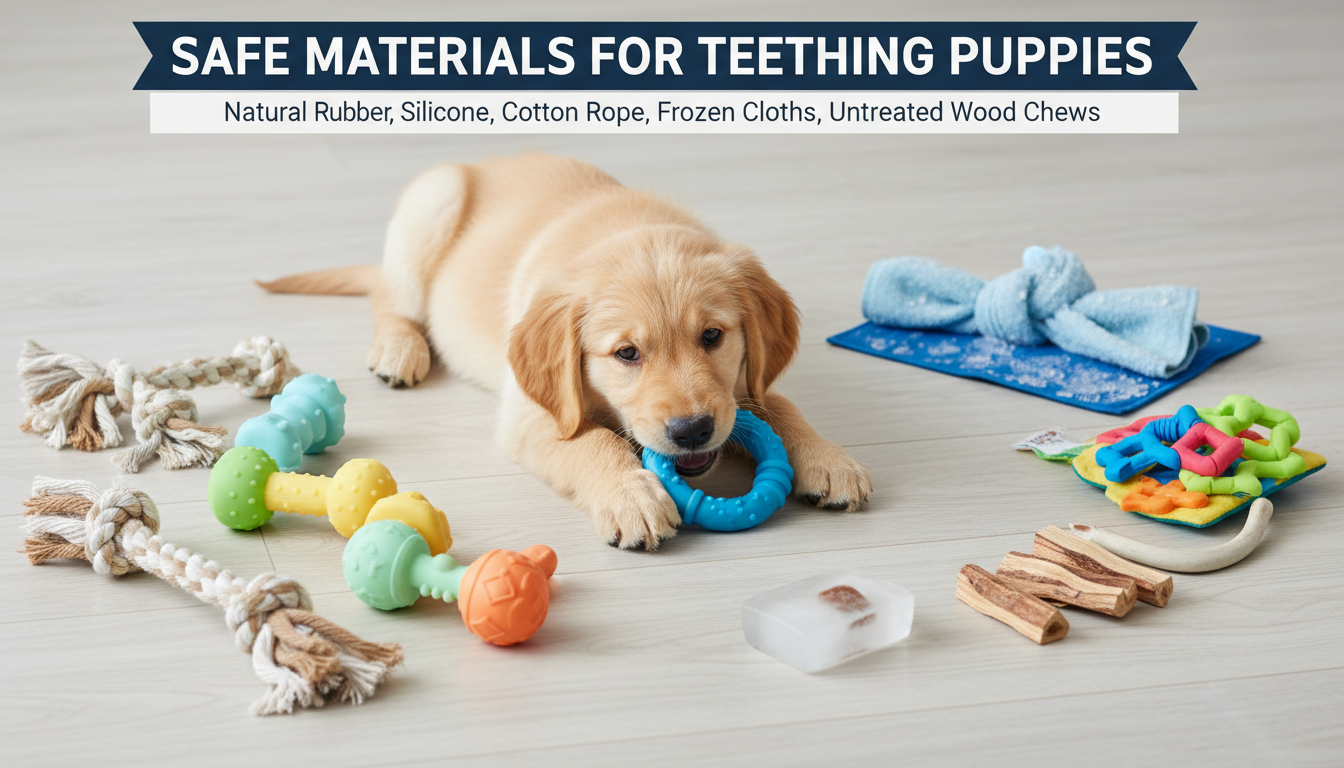
When your puppy starts chewing everything in sight, you quickly realise this phase is serious. Teething can make gums sore, swollen, and extremely sensitive. That is why choosing the right materials for dog teething toys matters more than you might think. The wrong material can damage delicate teeth, while the right one can provide comfort and healthy development at the same time.
Safe materials protect your puppy’s growing teeth and support proper jaw strength. They also reduce the risk of choking or toxic exposure. When you understand which materials work best, you feel more confident choosing safe chew toys for your furry friend.
Below are the safest and most recommended materials for teething puppies.
Natural rubber is one of the safest materials used in dog teething toys. It is flexible, durable, and gentle on sensitive gums. Unlike hard plastic or rigid nylon, rubber gives slightly when your puppy bites down. This reduces pressure on developing teeth.
Soft rubber toys provide satisfying resistance without being too hard. They massage sore gums while still holding their shape. This balance helps relieve discomfort without causing cracks or dental damage.
High-quality rubber toys are also free from harmful chemicals like BPA or phthalates. Always look for labels that mention non-toxic and food-grade materials. Puppies explore the world with their mouths, so safety standards are essential.
Rubber toys often include ridges and grooves. These textures gently stimulate the gums and help loosen baby teeth naturally. The material is strong enough for daily chewing but soft enough for teething stages.
If you want a safe starting point, rubber-based dog teething toys are usually the most reliable option.
Food-grade silicone is another safe material for teething puppies. It is softer than many plastics and does not splinter or break easily. Silicone toys are flexible, lightweight, and easy for small mouths to grip.
This material works especially well for puppies with extra-sensitive gums. The softness provides immediate comfort without overwhelming fragile teeth. Silicone is also resistant to bacteria buildup when cleaned properly.
Many silicone dog teething toys can be cooled slightly in the refrigerator. The cool surface helps reduce gum inflammation and soothes irritation quickly. Avoid freezing them completely, as extreme cold can make materials brittle.
Because silicone is non-toxic and chemical-resistant, it offers peace of mind. You know your puppy is not chewing on something harmful. Safe chew toys made from silicone support both comfort and safety.
Always check for durability, though. Some aggressive chewers may outgrow softer silicone options quickly.
Natural fiber rope toys are surprisingly helpful during the teething phase. Cotton rope provides a soft yet textured surface that massages gums effectively. Puppies enjoy the shredding sensation, which helps relieve pressure.
When your puppy chews rope, the fibers gently rub against teeth. This can help reduce plaque buildup and support early dental health. It also strengthens jaw muscles naturally.
Choose rope toys made from untreated cotton. Avoid ropes that contain synthetic fibers or chemical dyes. Puppies often swallow small fibers accidentally, so non-toxic materials are important.
Supervision is key when using rope toys. If the rope begins to unravel excessively, replace it. Loose strands can become a choking hazard if ingested in large amounts.
When chosen carefully, rope-based dog teething toys provide safe chewing satisfaction and mental stimulation.
Not all chew toys are safe for teething puppies. Hard plastic, solid nylon, and extremely rigid bones can cause serious damage. Puppy teeth are softer and more fragile than adult teeth.
If a toy feels rock solid in your hand, it may be too hard for teething. A simple rule is this: if you cannot press into it slightly with your fingernail, it is probably too firm.
Overly hard materials can lead to chipped teeth or gum injuries. They may also create negative chewing experiences, making your puppy reluctant to use safe toys.
Some dog teething toys are labeled for “power chewers,” but these are usually better for adult dogs. Always check age recommendations before purchasing.
Prioritizing soft, flexible, and puppy-safe materials prevents painful setbacks during this developmental stage.
Selecting safe materials does more than relieve gum pain. It teaches your puppy what is appropriate to chew. When you provide high-quality dog teething toys, you reduce destructive behavior and protect your home.
Safe chew toys help your puppy build confidence during teething. They support healthy tooth eruption and proper bite development. They also reduce stress by giving your puppy a reliable outlet for discomfort.
You should rotate toys regularly to keep your puppy engaged. Variety prevents boredom and encourages consistent chewing habits. Clean toys frequently to maintain hygiene and prevent bacteria buildup.
Teething may only last a few months, but the habits formed during this time last much longer. Choosing the right materials today supports lifelong dental health and safe chewing behavior.
With safe rubber, silicone, and natural fibres, you can turn teething from chaos into comfort. Your puppy gets relief, and you get peace of mind knowing their toys are helping, not harming.
Bringing home a puppy feels exciting and heartwarming. You prepare toys, bowls, and a cozy sleeping space. However, many new dog owners underestimate how intense the teething phase can be. This stage affects chewing habits, training, and overall behavior.
Teething usually starts around three to four months of age. During this time, puppies experience sore gums, irritability, and a strong urge to chew. If you are not prepared, household items quickly become targets.
Understanding common mistakes helps you guide your puppy safely. When handled properly, this phase becomes manageable and even rewarding.
One of the biggest mistakes is reacting only after destruction begins. Many owners buy dog teething toys once shoes or furniture get damaged. By then, your puppy has already learned bad chewing habits.
Puppies chew to relieve gum pain and pressure from erupting teeth. If safe chew toys are not available, they will choose whatever feels good. Early introduction of teething toys teaches what is acceptable to chew.
Offering puppy chew toys from the beginning prevents confusion. It also reduces stress for both you and your puppy. Prevention always works better than correction.
Proper dog teething toys soothe inflamed gums and provide mental stimulation. This supports healthy dental development and better behavior overall.
Not every chew toy is suitable for teething puppies. A common mistake is selecting toys that are too hard. Extremely rigid bones or plastic items can damage developing teeth.
Safe dog teething toys should be flexible and made from non-toxic materials. Food-grade rubber, soft silicone, and durable cotton rope are good options. These materials massage sore gums without causing injury.
Size matters as well. Toys that are too small may become choking hazards. Toys that are too large may frustrate smaller breeds. Always match toy size to your puppy’s mouth and breed.
Texture is another important factor. Ridged surfaces help relieve gum discomfort more effectively. Smooth toys may not provide enough stimulation.
Reading labels carefully protects your puppy’s health. Look for terms like BPA-free, puppy-safe, and durable chew design.
Many new owners assume that once toys are provided, supervision is unnecessary. While dog teething toys reduce destructive behavior, they do not replace guidance.
Puppies are curious and energetic. Even durable chew toys can wear down over time. Small broken pieces may pose risks if swallowed.
Supervising chewing sessions helps you redirect unwanted behavior immediately. Calm correction builds better habits than punishment. Positive reinforcement strengthens training success.
Cleaning toys regularly is also essential. Teething puppies drool heavily, which encourages bacterial growth. Wash rubber toys weekly and replace frayed rope toys promptly.
Rotating toys keeps things interesting. When toys disappear for a few days, they feel new again later. Variety prevents boredom and encourages safe chewing habits.
Teething is not a short phase. Many new dog owners feel frustrated when chewing continues for months. The full teething process can last until six or seven months of age.
Unrealistic expectations often lead to inconsistency. Consistency is critical for shaping behavior during this stage. Continue offering dog teething toys even after baby teeth fall out.
Chewing is a natural instinct, not misbehavior. Your goal is to guide that instinct safely. Structured play, enrichment toys, and short training sessions reduce frustration.
Mental stimulation also plays a big role. Puzzle toys and treat-dispensing chew toys keep puppies busy. A mentally tired puppy is less likely to chew destructively.
Patience during teething builds lifelong habits. When you stay calm and consistent, your puppy learns what is acceptable. Over time, chewing becomes controlled and manageable.




Leave a comment