0 Items
No products in the cart.
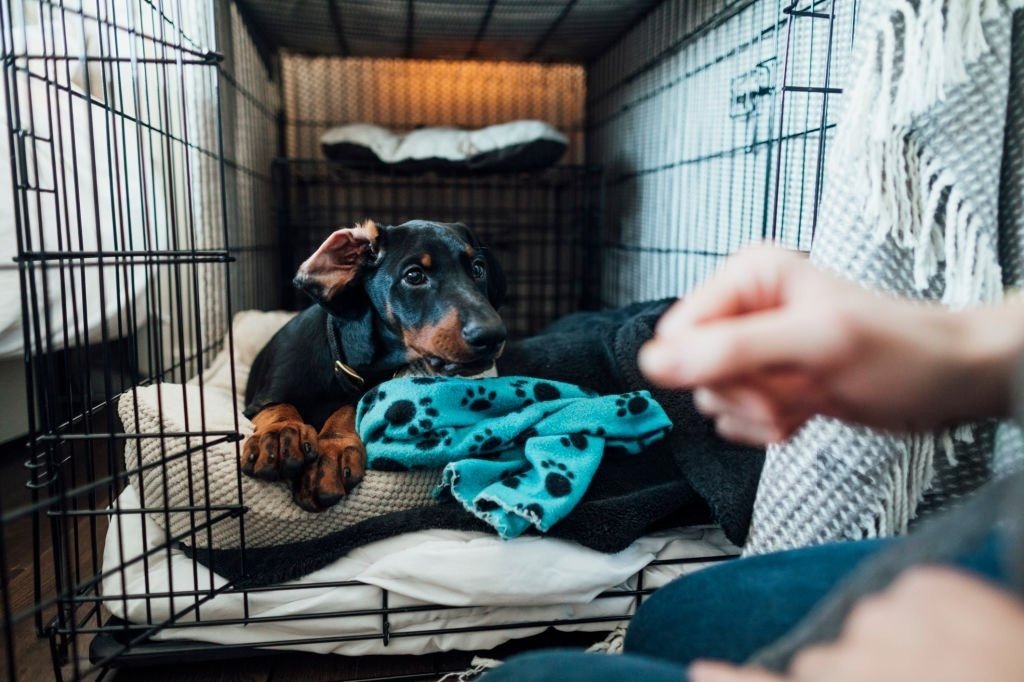
If you have ever wondered why so many pet parents swear by crate training, you are not alone. Crate training can look confusing at first, but once you understand how it works, you’ll see why it helps dogs feel secure, calm, and confident in their daily lives. When you use a dog crate the right way, you create a safe and comfortable space that supports good habits and reduces stress. Your dog may not write you a thank-you letter, but you will see the gratitude in every relaxed nap and happy tail wag.
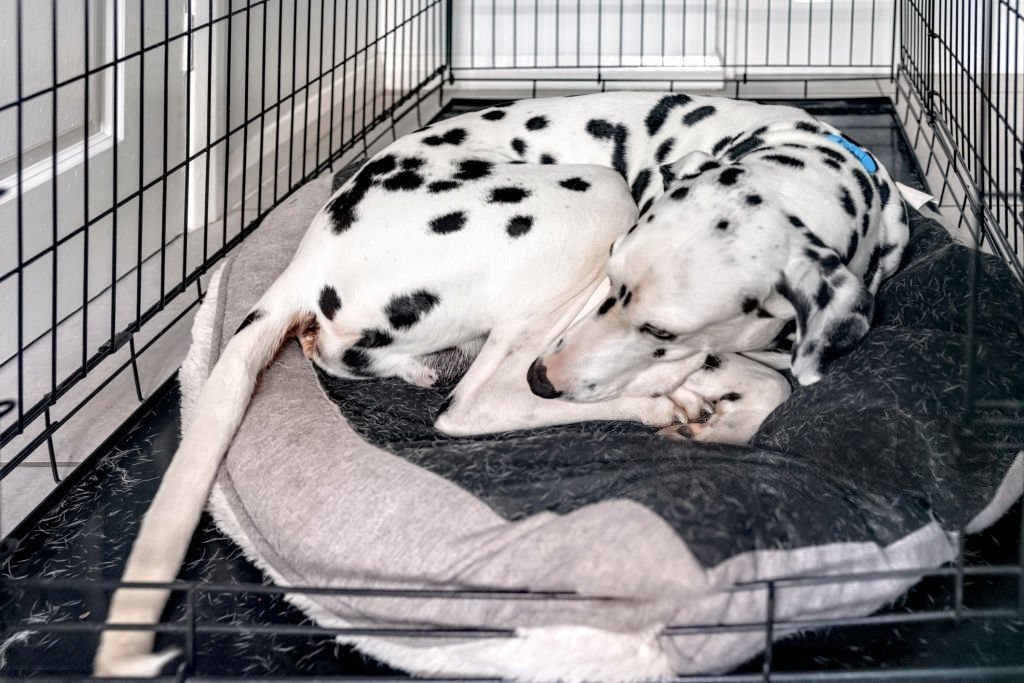
Every dog needs a place to unwind, and a crate offers exactly that. Think of it as your dog’s personal bedroom where they can rest without interruptions. Many dogs love having a cozy den-like area because it feels natural and soothing. When your dog gets used to their crate, they understand that it is a peaceful zone where nothing stressful happens. You help your dog feel grounded, especially during loud noises, visitors, or busy days.
Dogs instinctively enjoy small, enclosed spaces that remind them of safe dens. By using a comfortable dog crate, you give them emotional security and a familiar retreat. This kind of environment lowers anxiety and keeps your dog calmer when life gets overwhelming. When your dog chooses the crate on their own, it shows you that they truly see it as their favorite place to relax.
Adding soft bedding, a safe chew toy, and a breathable cover can make the crate even more inviting. These simple touches help your dog connect positive feelings with crate time. It becomes less of a training tool and more of a natural comfort space.
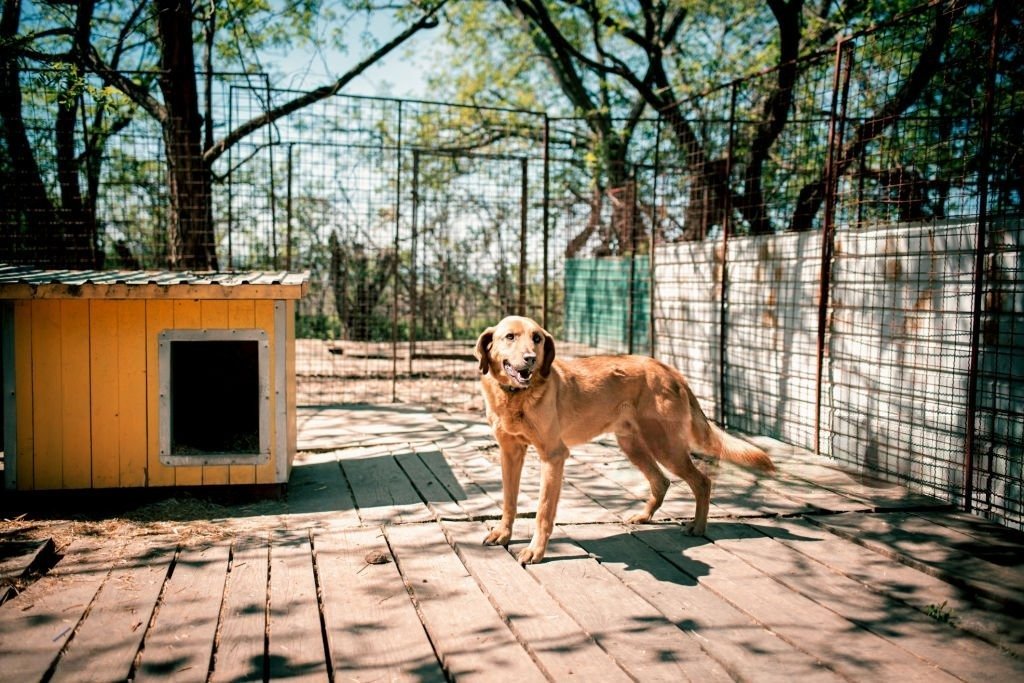
Crate training helps dogs develop structure and better habits. Your dog learns when to rest, when to explore, and when to enjoy personal space. A crate also prevents unwanted behavior like chewing furniture, digging through trash, or sneaking into unsafe areas. When you use a dog crate during busy moments, you guide your dog towards calm and controlled behavior.
One of the biggest advantages is helping with house training. Dogs do not like to soil the place where they sleep, so the crate encourages bladder control and better bathroom habits. You also avoid confusion because your dog knows exactly when and where they should go outside. This makes potty training easier and reduces stressful accidents around the house.
Crate training also improves bedtime routines. When your dog sleeps in the same cozy spot every night, their sleep quality gets better. You build consistency, and your dog understands when it is time to settle down. This lowers nighttime wandering and helps both you and your dog enjoy peaceful rest.
Using simple cues and short sessions can build confidence quickly. With repetition, your dog sees the crate as part of their daily rhythm. Even energetic dogs learn to manage their excitement and settle down faster.
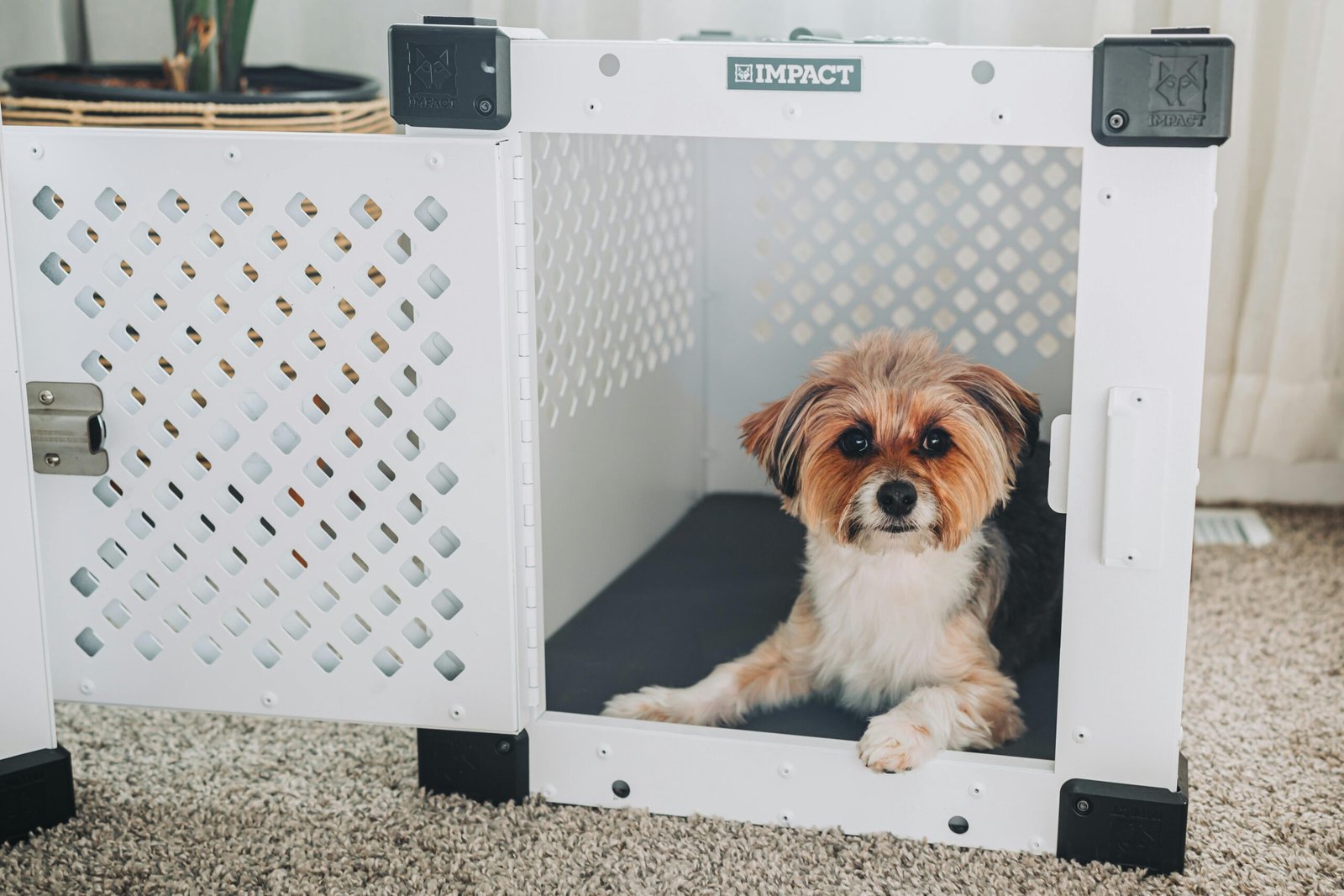
Traveling with a dog can be chaotic, especially when they feel nervous in new places. A dog crate makes travel safer and smoother because your dog already recognizes the crate as a familiar and comfortable place. Whether you are taking a short car ride or a long trip, the crate gives your dog stability in unfamiliar environments.
A secure crate prevents sudden movements during the drive, keeping your dog safe from injury. You also avoid distractions because your dog stays calm and contained. If you visit hotels or new homes, your dog adapts much quicker since their crate feels like a small piece of home. This reduces stress, barking, and pacing during travel.
Many airlines require an approved travel crate for flights. By training your dog early, you make air travel far less stressful. Your dog already knows how to stay calm inside the crate, and that familiarity helps them feel secure in loud or crowded areas.
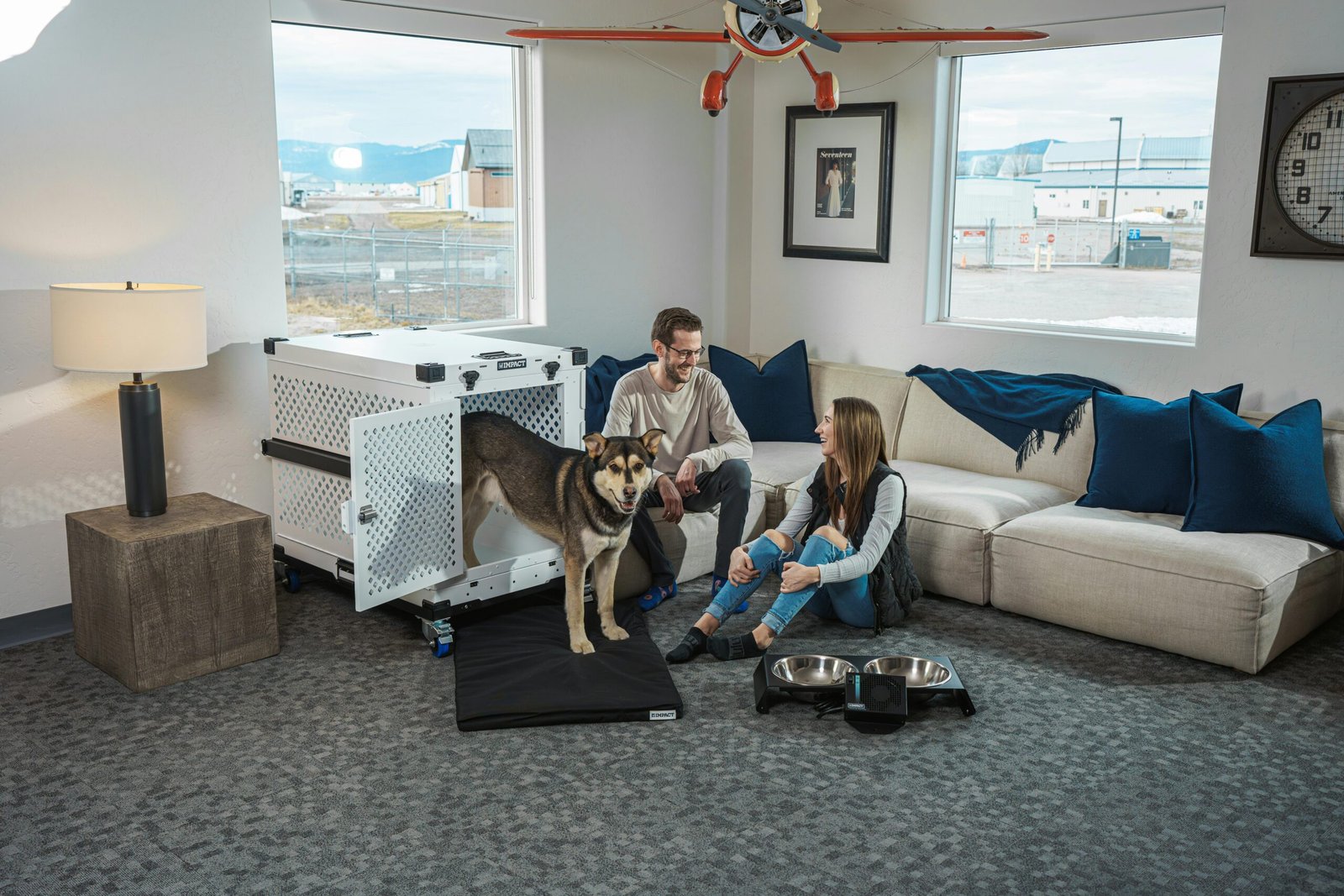
Crate training is not just about boundaries. It is also about helping your dog build emotional confidence. When your dog learns to spend short periods alone in a safe dog crate, they become more independent and less anxious. This is extremely helpful for preventing separation anxiety, especially in puppies and rescue dogs.
Your dog learns that you will always come back, which creates trust and emotional balance. It also teaches your dog how to rest without needing constant attention. Over time, your dog grows more confident handling quiet moments on their own.
Crates also help during thunderstorms, fireworks, or busy gatherings. Your dog knows exactly where to go for a calming break. The crate becomes a reliable sanctuary filled with good experiences and quiet moments.

If you’ve ever tried choosing a crate for your dog and felt confused by all the sizes and measurements, you’re not alone. Finding the perfect dog crate size can feel like picking a bed for a picky toddler who never sits still. But the right crate size matters more than you might think. A crate that’s too small feels cramped and stressful. A crate that’s too large reduces comfort and slows training. When you understand how to measure, compare, and pick the perfect fit, you give your dog comfort, security, and a space they truly love.
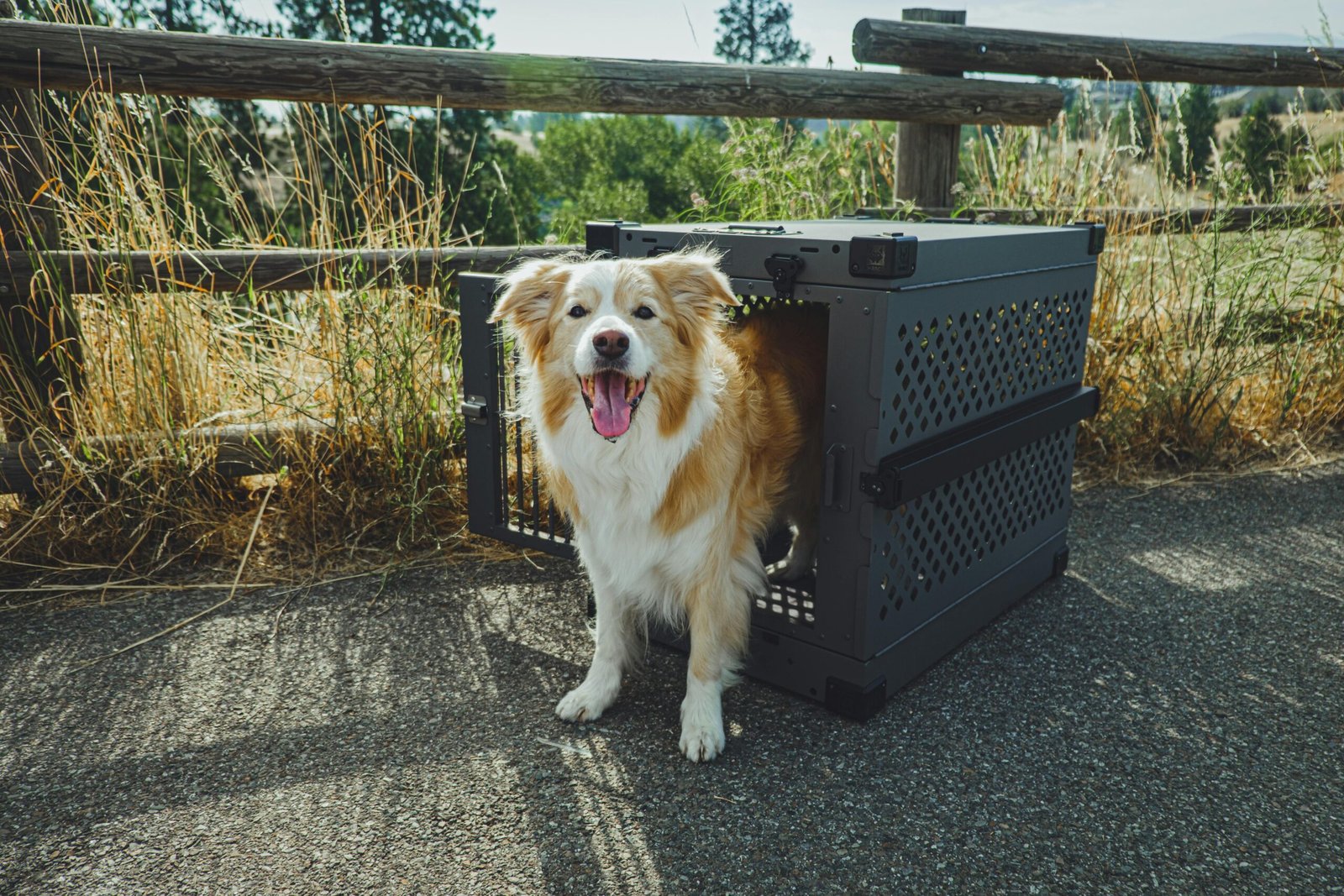
Before you think about colors, materials, or fancy crate designs, size should be your top priority. Your dog must be able to stand up fully, turn around comfortably, and lie down with relaxed posture. If these basic needs aren’t met, even the best dog crate will feel uncomfortable.
Many new pet parents accidentally choose a crate based on guesswork or breed label suggestions. But every dog is unique, and not all “large dogs” or “medium dogs” match the same dimensions. Your dog’s height, length, and body posture influence crate size more than breed names.
A crate that fits well helps your dog feel secure and reduces stress. It also makes crate training easier because your dog naturally relaxes inside a space that feels snug but not restrictive. Think of it like choosing a cozy bedroom—not too tight, not too big, but just right. The right size supports good sleeping habits, healthy posture, and better daily routines.
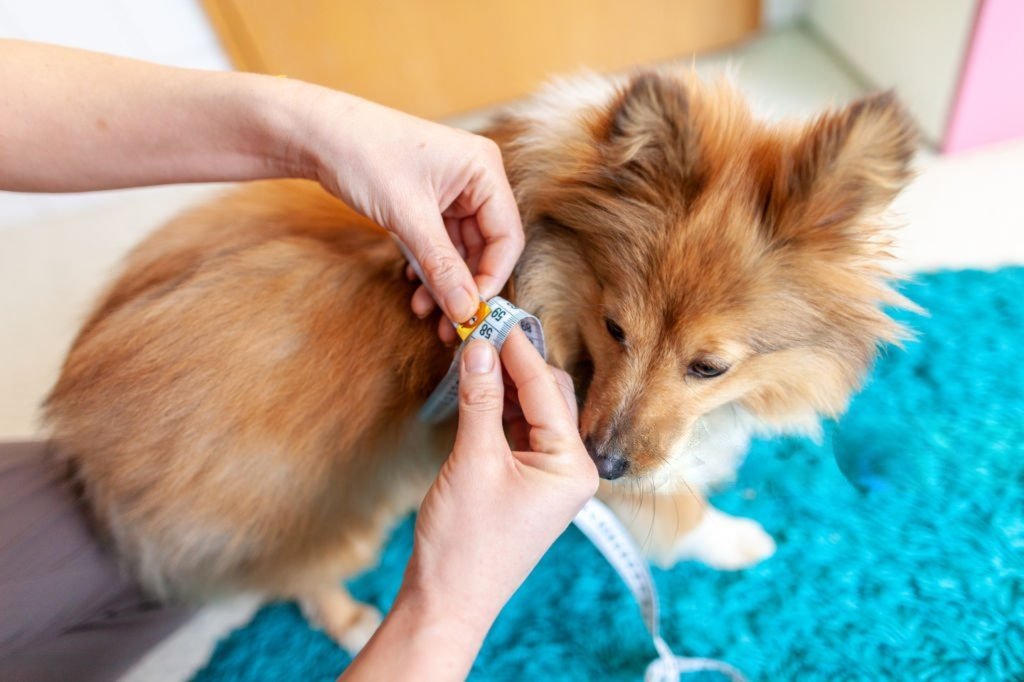
Choosing the right dog crate starts with simple measurements. Grab a tape measure, a treat for cooperation, and your dog’s patience. You only need two measurements: length and height.
To measure length, ask your dog to stand tall and measure from the tip of the nose to the base of the tail. Do not include the tail length unless your dog has an unusually short or long tail. Add two to four inches to this measurement to ensure enough space for stretching.
To measure height, note your dog’s height from the ground to the top of the head or ears, depending on which stands taller. Add two to three inches for comfortable headroom. These extra inches help your dog move naturally without bumping the roof or sides of the crate.
Once you have both numbers, compare them with crate size charts. Manufacturers list interior dimensions, so check those carefully. A crate shouldn’t be so big that your dog slides around when lying down. But it also shouldn’t feel like a narrow tunnel. Aim for a balanced size that fits your dog’s body shape and natural posture.
Measuring correctly helps avoid buying multiple crates or returning ones that don’t fit. It also makes long-term crate training smoother because your dog feels comfortable from the start.
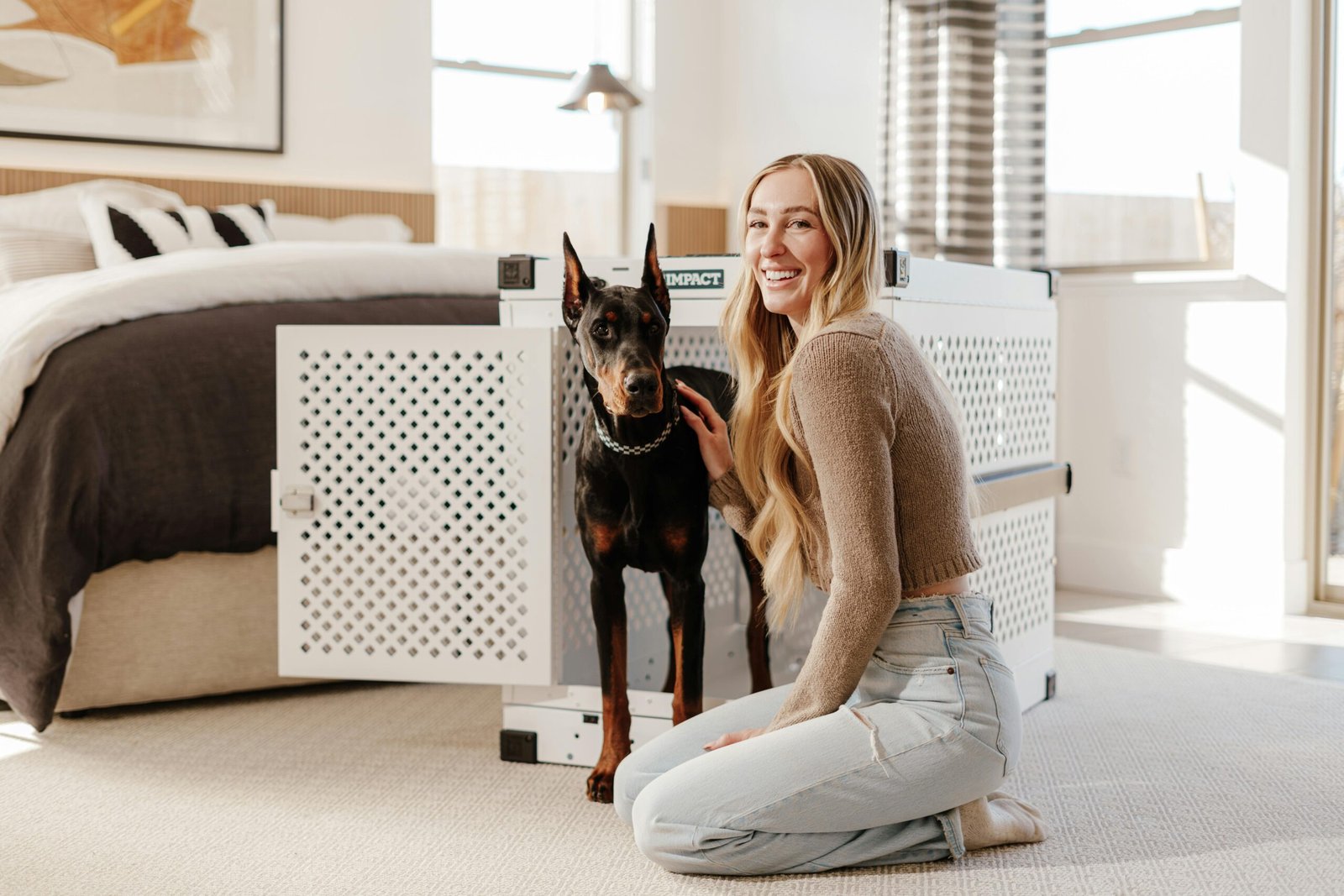
If your dog is still a puppy, choosing a dog crate becomes slightly trickier. Puppies grow fast, especially large breeds. A crate that fits today may be too small next month. Many pet parents buy oversized crates to avoid replacing them quickly, but this can confuse young dogs during crate training.
A large puppy crate might feel like an open gym instead of a relaxing den. Puppies sometimes use extra space for playful chewing or bathroom accidents. That’s why crates with adjustable dividers are extremely helpful. You can reduce the crate size while your puppy is small and expand it gradually as they grow.
This method saves money, supports proper training, and ensures your puppy always enjoys a cozy, den-like space. You also avoid issues like nighttime restlessness or chewing that often happen in crates with too much open area.
When choosing divider-friendly crates, look for sturdy metal models with easy-to-move divider panels. They allow you to increase space without buying a new crate every few months. For growing pups, it’s one of the smartest choices you can make.
Even adult dogs have different crate preferences based on their habits, size, and personality. Lean breeds like Greyhounds need longer crates for stretched sleeping positions. Stocky breeds like Bulldogs may need wider spaces. Energetic dogs often prefer more headroom because they sit up suddenly or shift often during rest.
Watch how your dog naturally sleeps. If your dog curls into a tight donut, a slightly smaller crate may feel comforting. If your dog sleeps belly-up like a sunbathing seal, you may need extra width and length. These sleep styles help you understand the ideal crate shape and dimensions.
If your dog faces anxiety, choose a crate size that feels snug and secure. For confident or independent dogs, a bit more space works well. The goal is to match the crate to your dog’s comfort style, so they choose it willingly and enjoy resting inside.
Crate size also matters for travel. Cars, flights, and hotel rooms all work smoothly when your crate fits easily and your dog feels safe inside it. A well-sized crate ensures easier trips, fewer struggles, and more relaxed experiences for both of you.
Online charts for dog crates can give you helpful starting points, but use them with caution. They don’t always account for unique body types, fur thickness, or posture differences. Instead, use them as a general guide while relying on your measurements first.
If you’re stuck between two crate sizes, choose the slightly larger option for adult dogs. But always make sure the crate maintains a cozy, den-like feeling. Avoid crates that feel empty, echo-y, or too spacious. Comfort comes from balance, support, and design—not oversized space.
The perfect dog crate size is the one that helps your dog feel safe, supported, and relaxed every day. When the crate fits well, training becomes easier, travel becomes smoother, and rest becomes deeper.
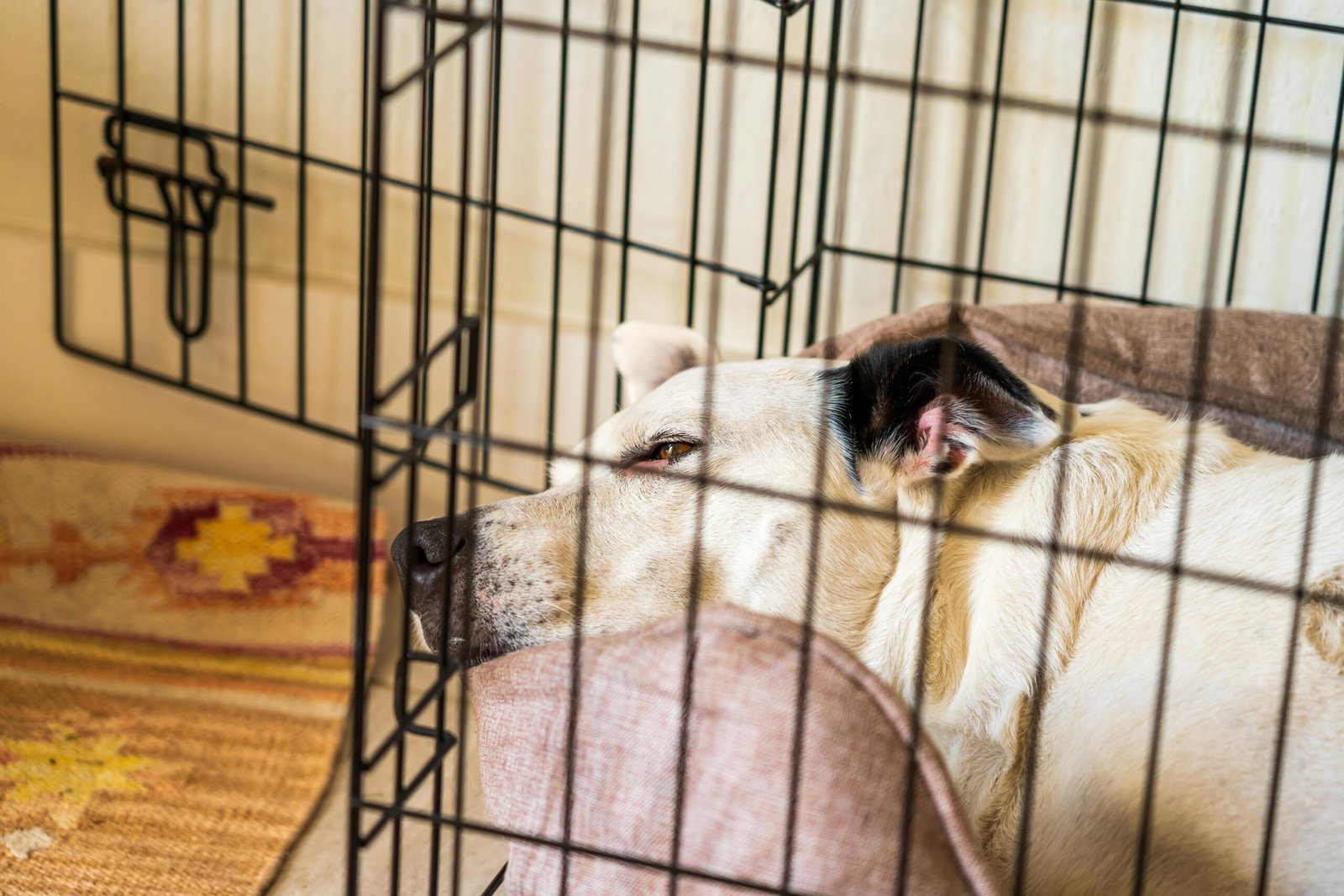
Creating a safe and comforting environment inside your dog crate is one of the most important steps in successful crate training. You aren’t just setting up a box with a door—you’re building a cozy den where your dog feels relaxed, protected, and happy. When the crate becomes a safe zone, your dog naturally chooses it for resting, calming down, or taking a quiet break from the world.
To help your dog understand that their crate is a positive place, you need the right setup, the right energy, and the right routine. With simple changes and a little patience, you can turn any dog crate into a warm, inviting retreat your dog loves.
Every safe space begins with comfort, and your dog crate is no different. The inside of the crate should feel soft, warm, and familiar. A comfortable crate mat or orthopedic pad helps your dog settle down easily. Soft bedding also supports healthy posture and lets your dog relax for longer periods.
Adding familiar scents makes the crate feel personal. A small blanket that smells like you or a favorite toy helps reduce anxiety. These comfort items make the crate feel like home, especially for dogs who experience stress or separation concerns.
Place items carefully so nothing blocks airflow or creates discomfort. The goal is to create a cozy corner—not overcrowded, not empty, but gently inviting.
Your dog must understand that the crate is a happy place, not a punishment zone. This starts with positive associations. When you first introduce the dog crate, leave the door open and allow your dog to explore it freely. Let them sniff the inside, step in and out, and get used to the space without pressure.
Use treats and praise when your dog chooses to enter. Toss a treat inside to encourage exploration. Feed meals near the crate, or even inside it, so your dog learns that good things happen there. Short, positive sessions build trust and create a healthy relationship with the crate.
Never push, force, or drag your dog into the crate. Forced crate time can create fear and long-term avoidance. Dogs respond best when they feel in control and supported.
As your dog becomes comfortable, extend crate time slowly. Start with a few minutes and gradually increase the duration. You can give a chew toy, lick mat, or stuffed treat to keep your dog happily occupied while inside.
Semantic keywords included: positive crate training, crate conditioning, reward-based crate routine.
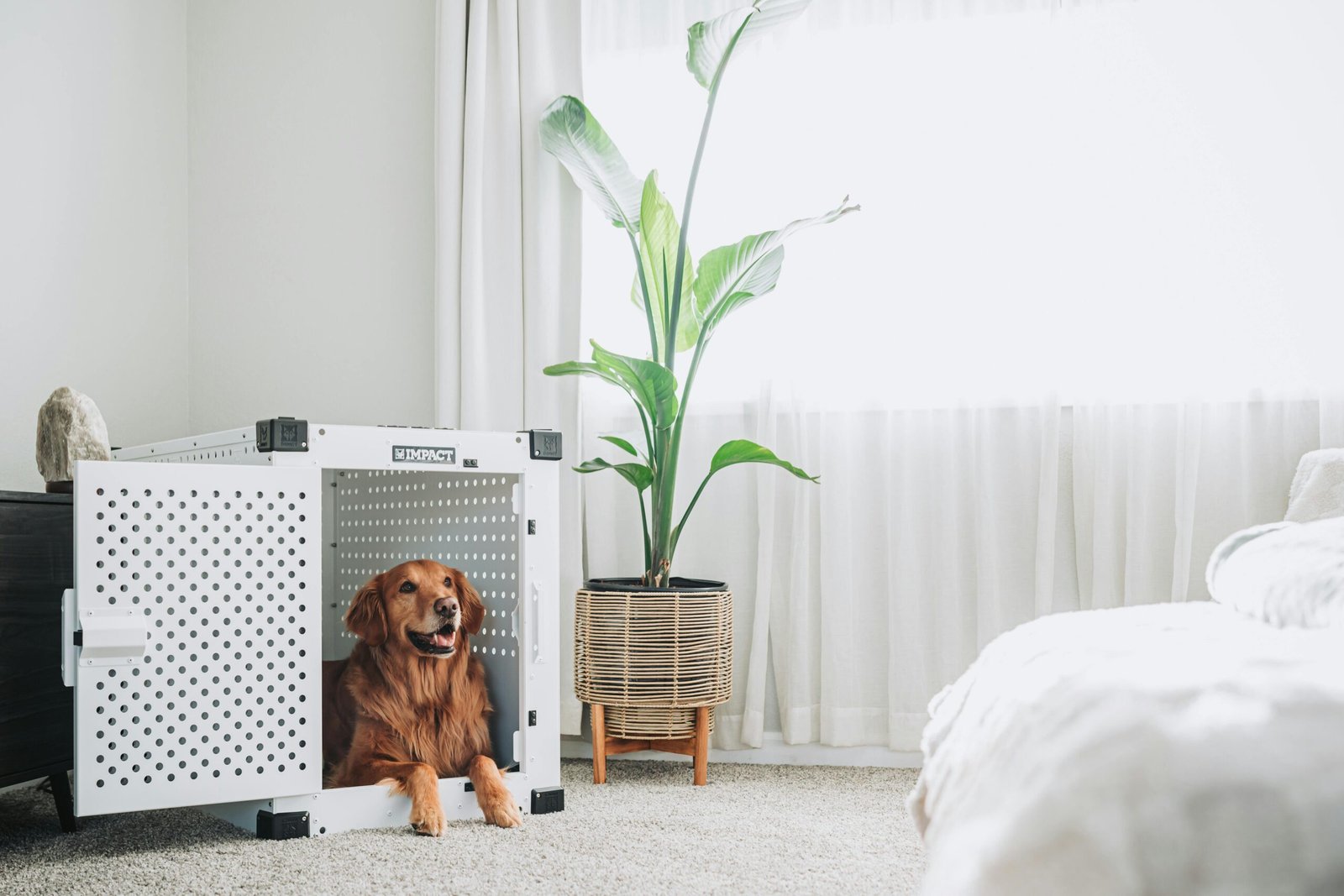
A safe space is not only physical—it is emotional. Dogs rely on stability, predictability, and comfort. Your energy during crate time influences how your dog perceives the space. If you are calm and confident, your dog mirrors your behavior.
Place the dog crate in a location that feels peaceful but not isolated. Many dogs feel safer when they see their humans, so a corner of the living room or bedroom works well. Avoid noisy or high-traffic areas that may cause stress.
A consistent routine also builds emotional security. Use the crate at predictable times, such as bedtime, short naps, or when you step out briefly. Dogs understand patterns, and knowing what to expect reduces anxiety.
Never use the crate for punishment. If the crate becomes associated with anger or fear, your dog will avoid it. The crate should represent peace, safety, and comfort every single time.
Semantic keywords: emotional comfort for dogs, secure crate placement, calm crate routine.
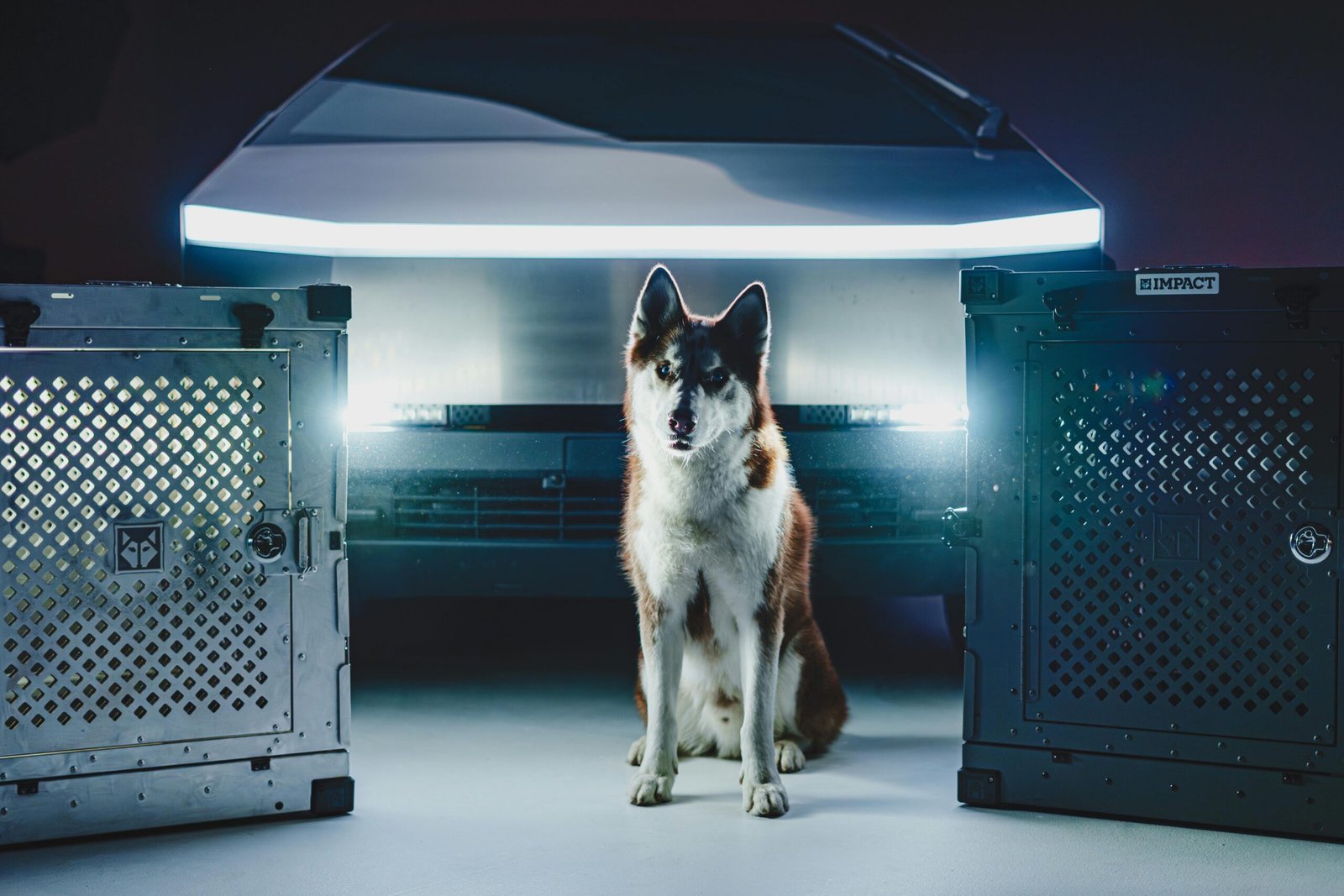
The environment around the crate matters just as much as what’s inside. Soft lighting helps your dog relax. Bright lights or loud noises can make crate time stressful. Some dogs enjoy a familiar background sound like gentle music or a low-volume TV. These steady sounds help mask sudden noises that may startle your dog.
If your home is busy, consider placing the crate where your dog can observe without being overstimulated. A quiet corner gives your dog space to relax while still feeling included.
Ventilation is also essential. Proper airflow keeps the crate comfortable and prevents overheating. Make sure nothing blocks the sides, back, or front of the crate.
You can even use calming tools like natural dog-safe sprays or crate covers. A breathable cover can turn a wire dog crate into a cozy den-like shelter. But always introduce covers gradually and observe your dog’s comfort.
One of the best ways to make a crate feel safe is by allowing your dog to choose it. Leave the crate door open whenever possible so your dog can enter or exit freely. When your dog walks in willingly, it shows that the crate feels comforting.
Offer the crate during calm moments—not only when you’re leaving the house. Dogs quickly connect patterns, and if the crate is only used before separation, they might link it to stress. Let your dog nap inside during the day or relax there during family time.
Choice builds confidence, and confidence turns the crate into a trusted safe zone.
As you build consistent habits, your dog begins to see the crate as a comforting retreat. A safe crate helps reduce stress during storms, fireworks, or busy days. It supports better sleep and healthier routines. When your dog crate is set up thoughtfully, it becomes a peaceful sanctuary that offers emotional and physical comfort.
With patience, understanding, and the right setup, your crate transforms into a space your dog uses naturally and happily. You aren’t just creating a training tool—you’re giving your dog a personal place where they feel safe, calm, and cared for.
When you start crate training, it’s easy to make small mistakes without realizing it. These mistakes can slow progress, create stress, or even make your dog avoid the crate completely. The good news? With a little awareness, you can avoid the most common crate-training problems and help your dog develop a healthy, positive relationship with their dog crate. Think of this as your friendly guide to smooth and successful crate training.
One of the biggest mistakes pet parents make is turning the crate into a “time-out corner.” It’s tempting to use the crate when your dog misbehaves, but this can create fear and confusion. If your dog associates the crate with anger or punishment, they won’t see it as a safe den—they’ll see it as something to avoid.
Instead, you should always keep the crate experience positive. Encourage your dog to enjoy their dog crate by using treats, praise, and gentle guidance. When your dog enters the crate willingly, you reinforce trust. Over time, the crate becomes a place of comfort instead of correction.
If you need to manage behavior, redirect with toys, take them outside for exercise, or practice calming routines. The crate should remain a peaceful retreat, not a consequence.
Semantic keywords included: crate anxiety, positive crate training, safe space for dogs.
It’s easy to assume a dog crate works like a babysitter, but that’s where many pet parents go wrong. Dogs need exercise, attention, bathroom breaks, and mental stimulation throughout the day. Leaving your dog in the crate for long periods can lead to stress, boredom, or destructive behavior.
A crate is a tool for short, structured rest—not all-day confinement. Puppies need more frequent breaks because of smaller bladders and developing bodies. Adult dogs handle longer intervals, but even they shouldn’t be crated endlessly.
A good rule is simple: balance crate time with play, walks, meals, and bonding. Your dog should enjoy the crate, not rely on it because they have no choice. When your dog sees crate time as a natural part of the day—not a long isolation session—they feel more secure and willing to relax.
Semantic keywords included: crate duration, healthy crate routine, crate break schedule.
Many crate problems start with one mistake: placing the crate in the wrong spot. If the dog crate is placed somewhere noisy, cold, isolated, or stressful, your dog may resist entering it. Dogs thrive in areas where they feel safe but still connected to the family.
A corner of your living room or bedroom often works best. These spots offer visibility without overwhelming distractions. Avoid placing the crate near loud appliances, direct sunlight, or high-traffic areas where movement creates anxiety.
The goal is to help your dog feel included without being overstimulated. When the environment is peaceful, your dog is more likely to rest and enjoy crate time.
Semantic keywords included: crate placement, calm environment for dogs, comfortable crate setup.
Another mistake is rushing the crate training process. You might think closing the door early teaches your dog faster, but it usually creates fear or resistance. Dogs need time to explore, sniff, step in and out, and learn the crate’s purpose.
A gentle introduction works wonders. Start by keeping the door open and letting your dog investigate freely. Toss treats inside or place a favorite toy at the entrance. Gradually build confidence before closing the door for short intervals.
This slow, steady method helps your dog trust the crate. It reduces stress and boosts long-term success.
Semantic keywords included: crate introduction, gradual crate training, confidence-based training.
A plain, empty crate can feel cold and uninviting. Soft bedding, appropriate crate pads, and familiar scents turn a simple crate into a cozy den. Many pet parents skip this step and wonder why their dog refuses the crate.
To avoid this mistake, create a warm and comfortable environment. Add a dog-safe cover for a den-like feeling. Use bedding appropriate for your dog’s size and temperature needs. Include a safe chew toy or interactive treat to make crate time enjoyable.
Comfort encourages relaxation. A well-prepared crate helps your dog feel safe, supported, and ready to nap.
Semantic keywords: crate bedding, cozy dog den, calming crate environment.
Crate training is not about forcing your dog into a routine—it’s about reading signals and adjusting. Some dogs adapt quickly. Others need patience, reassurance, and confidence-building sessions. If your dog whines, paws, or resists, pushing harder won’t fix the problem.
Instead, observe your dog’s behavior. Are they anxious? Overstimulated? Not used to being alone? Adjust your approach based on their energy and comfort level. Slow down if needed. Praise small successes. Guide gently.
When you tune into your dog’s emotions, you reduce stress and create a positive association with their dog crate. A responsive approach builds trust and helps your dog progress naturally.
Semantic keywords: dog stress signals, gentle crate training, emotional comfort for dogs.
Crate training thrives on positive reinforcement. Many pet parents forget to reward calm behavior inside the crate and only react when the dog cries or fusses. Rewarding the wrong moments sends mixed signals.
Instead, praise and treat your dog when they enter the crate willingly, lie down quietly, or relax without fussing. Reinforcing calm behavior teaches your dog that the crate is the perfect place to settle.
Rewards turn the crate into a rewarding and peaceful destination—not a stressful one.
Crates work best when they’re part of a predictable routine. Random usage creates confusion. Dogs love structure, so establish crate times during naps, nighttime, and short breaks.
Consistency helps your dog understand when it’s time to rest and when it’s time to play. A predictable schedule makes crate time feel natural and comforting.
Avoiding these common crate mistakes helps you build a successful training experience. With the right approach, a dog crate becomes a secure, cozy retreat your dog loves—not a place they fear. By focusing on comfort, routine, emotional understanding, and positive training, you transform the crate into a space filled with trust and calmness.




Leave a comment