0 Items
No products in the cart.
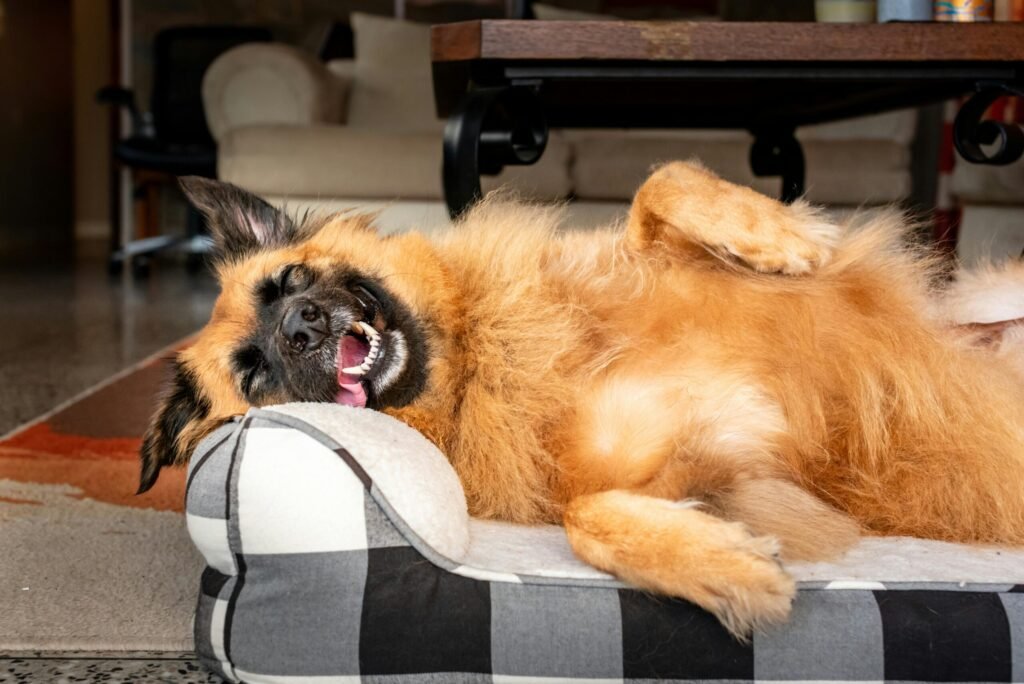
If you share your home with a big, lovable goofball like a Labrador, Great Dane, or Saint Bernard, you already know that large dogs aren’t just oversized versions of smaller ones. They have their own special needs when it comes to comfort, health, and daily care—especially when it comes to finding the right place to sleep. When you’re figuring out how to choose the right dog bed for large breeds, it’s important to understand what makes their needs so different.
Big dogs may act tough, but underneath all that fluff (and drool), they need extra care and attention to stay healthy and happy. So let’s dive into what makes them unique—and how you can help your gentle giant sleep like royalty.
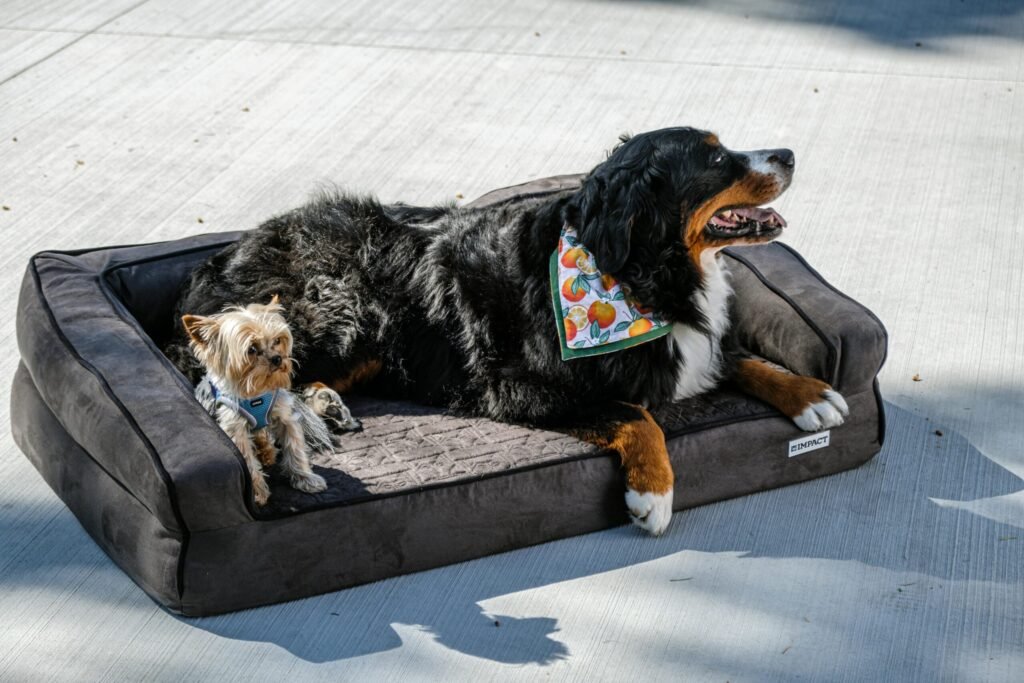
One of the biggest differences between small and large dogs (besides the obvious!) is how their weight affects their bodies. Large breed dogs put much more pressure on their joints, hips, and elbows, especially when lying down. That means a thin or poorly cushioned bed can lead to joint pain, stiffness, or even early signs of arthritis.
You’ve probably seen your dog circle around before lying down—it’s their natural way of finding a comfy position. But if your dog’s bed doesn’t support their weight evenly, you might notice them shifting constantly or sleeping on the floor instead. That’s a clear sign their bed isn’t doing its job.
When you’re looking for the best dog bed for large breeds, focus on supportive materials like high-density memory foam or orthopedic foam. These materials help relieve pressure points and keep your dog’s spine aligned while they snooze. It’s like giving them a mini-mattress designed just for their size and shape.
And here’s a small but important tip: don’t just choose a bed labeled “large.” Measure your dog from nose to tail while they’re stretched out, then add a few extra inches. Big dogs love to sprawl, and having that extra room makes all the difference in comfort.
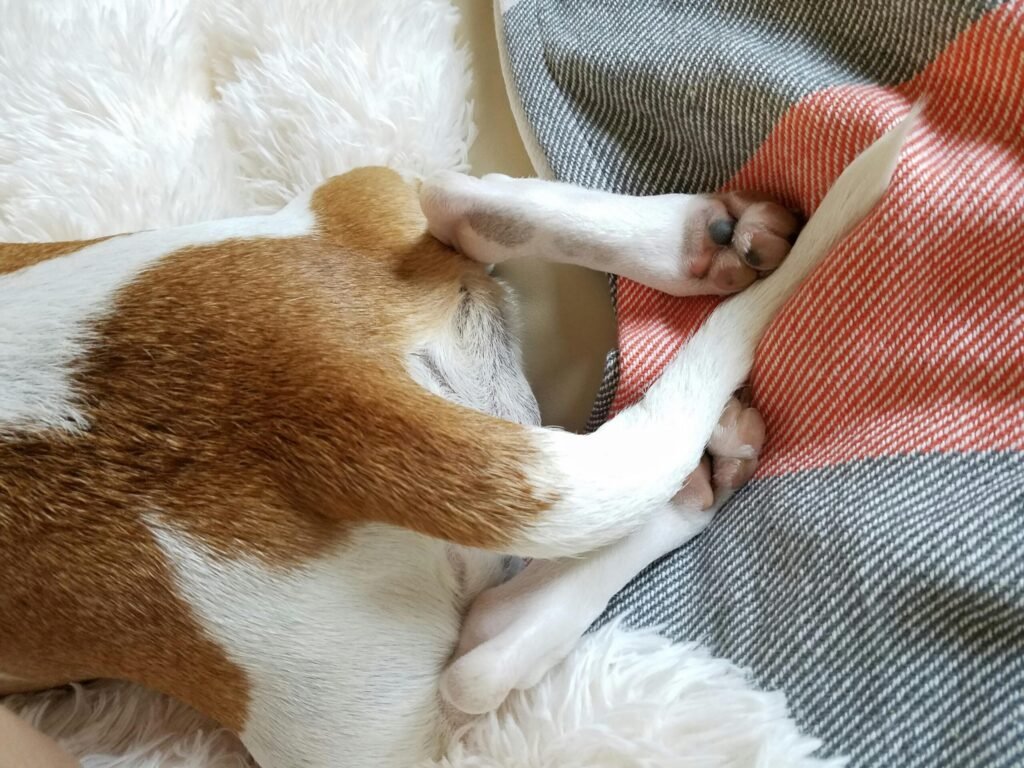
Large breed dogs are prone to joint-related issues, especially as they get older. Conditions like hip dysplasia, arthritis, and elbow dysplasia are unfortunately common in breeds like German Shepherds, Golden Retrievers, and Great Danes. That’s why joint support is one of the most important factors when learning how to choose the right dog bed for large breeds.
An orthopedic dog bed can make a huge difference in your dog’s comfort and overall mobility. These beds are designed to support joints, improve circulation, and help with muscle recovery after playtime or long walks. Look for beds with medical-grade memory foam, as it molds to your dog’s body and provides consistent support all night long.
If your dog has already started showing signs of stiffness or trouble getting up in the morning, an orthopedic bed isn’t a luxury—it’s a necessity. It’s the canine version of switching from a cheap couch to a plush recliner. They may not say “thank you,” but you’ll see it in the way they stretch, settle, and drift into dreamland.
Also, consider beds with bolsters or raised edges. These give your dog a place to rest their head comfortably and can help relieve neck and shoulder tension. It’s those little ergonomic touches that turn a basic dog bed into a real comfort zone for your big buddy.

Another thing many pet parents overlook when choosing a dog bed is temperature control. Large breed dogs tend to run warmer than smaller ones, and with all that muscle mass and fur, they can overheat easily. If your pup is constantly moving from bed to floor or avoiding their sleeping spot altogether, they might simply be too hot.
To fix this, choose a breathable, cooling dog bed made from materials like gel-infused foam or mesh fabric. These help regulate temperature and keep your pup cool during those warmer months. For winter, you can add a removable blanket layer or self-warming pad to give extra coziness without overheating.
And speaking of sleeping habits—did you know large dogs often need more sleep than small breeds? On average, adult large dogs can sleep up to 14 hours a day! That’s a lot of time on their bed, so investing in something durable, washable, and supportive isn’t just about comfort—it’s about long-term health and hygiene too.
If your dog loves to stretch out, a flat mattress-style bed might be perfect. But if they prefer curling up, a bolster-style bed gives them a sense of security while still supporting their joints. Every dog has a unique sleep personality, and matching the bed to their habits can improve rest quality dramatically.

Your dog’s lifestyle plays a major role in choosing the right bed. Active large dogs—like Huskies or Labradors—may benefit from extra-thick beds that cushion tired muscles after running or hiking. Senior dogs or those recovering from surgery might prefer low-entry beds they can step into easily.
If your dog sleeps outdoors or in cooler spaces, consider waterproof or weather-resistant beds. They prevent moisture buildup and help maintain temperature balance. For indoor pups, a washable cover is a must—because big dogs mean big messes!
Remember, a quality bed isn’t just another pet accessory—it’s a daily wellness tool. When you understand your large dog’s unique physical and emotional needs, you’re not just giving them a place to rest—you’re improving their quality of life.
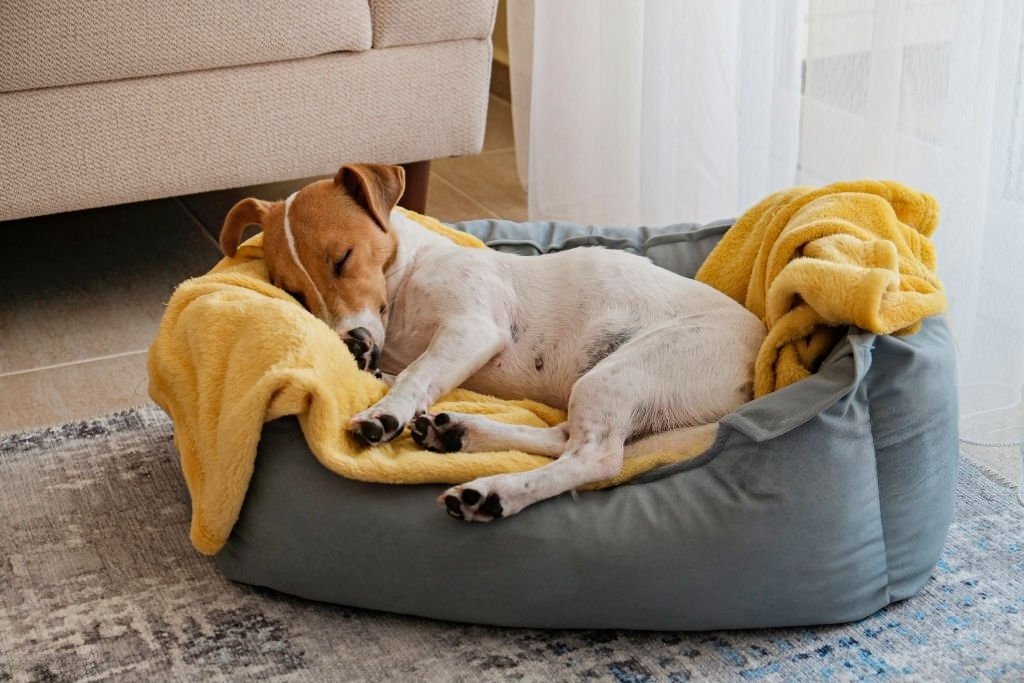
When it comes to finding the perfect sleeping spot for your big, lovable companion, the choices can feel endless. Do you go for something plush and cozy? Or maybe a bed that looks like a throne fit for a canine king? Choosing between orthopaedic, bolster, or pillow-style beds can seem confusing at first—but once you understand what each offers, you’ll know exactly how to choose the right dog bed for large breeds.
Your dog’s size, age, and sleep habits all play a huge role in what kind of bed suits them best. Let’s explore each bed type so you can make an informed (and tail-waggingly good) decision for your furry best friend.

If you’ve ever had an achy back after a bad night’s sleep, you can imagine how your large dog feels on a thin, saggy cushion. Orthopaedic beds are like luxury mattresses for dogs—they’re designed to support heavy joints, relieve pressure, and promote healthy posture during rest.
Large breeds like German Shepherds, Labradors, Great Danes, and Rottweilers put extra strain on their bones and muscles simply because of their size. Over time, that added weight can lead to stiffness, arthritis, or hip dysplasia. An orthopedic dog bed helps reduce those risks by evenly distributing weight and cushioning joints.
These beds often use high-density memory foam or medical-grade foam that contours to your dog’s body shape. The foam adapts to their sleeping position, whether they’re stretched out like a giant rug or curled up like a donut. For older dogs or breeds prone to hip and elbow problems, this level of support can make a world of difference.
What’s great about orthopaedic beds is their durability and structure—they don’t flatten over time like cheaper options. So while the price might be higher initially, they last longer and save you from constantly replacing worn-out beds.
If your dog often hesitates before lying down, moves stiffly in the morning, or prefers soft carpets to their bed, an orthopedic bed is the perfect solution. It’s not just about comfort—it’s about long-term joint health and better quality of life.


Does your dog love to rest their head on your couch arm or snuggle into the corner of the sofa? If yes, then they’ll absolutely adore a bolster bed. These beds come with raised sides or edges, giving your dog the feeling of being hugged while still offering room to stretch out.
For large breeds, bolster beds provide both comfort and psychological security. The raised edges act like supportive pillows, making them perfect for dogs who like to lean or rest their heads. The bolster design also helps keep the spine aligned while your pup lounges or naps, providing subtle orthopedic benefits.
You’ll find bolster beds in various shapes—rectangular, oval, and even L-shaped. Many come with removable covers, making them easy to wash (a must for big dogs who track in dirt and drool).
One of the biggest perks of a bolster bed is its sense of protection. Large dogs, despite their size, often love feeling safe and cozy. The surrounding edges create a den-like environment that calms anxiety and promotes deeper sleep.
If your dog loves snuggling, prefers sleeping with their back against something solid, or gets nervous during storms, a bolster bed could be the ultimate comfort zone. Pair it with a cooling gel insert or breathable cover to ensure they don’t overheat—big bodies trap a lot of warmth!
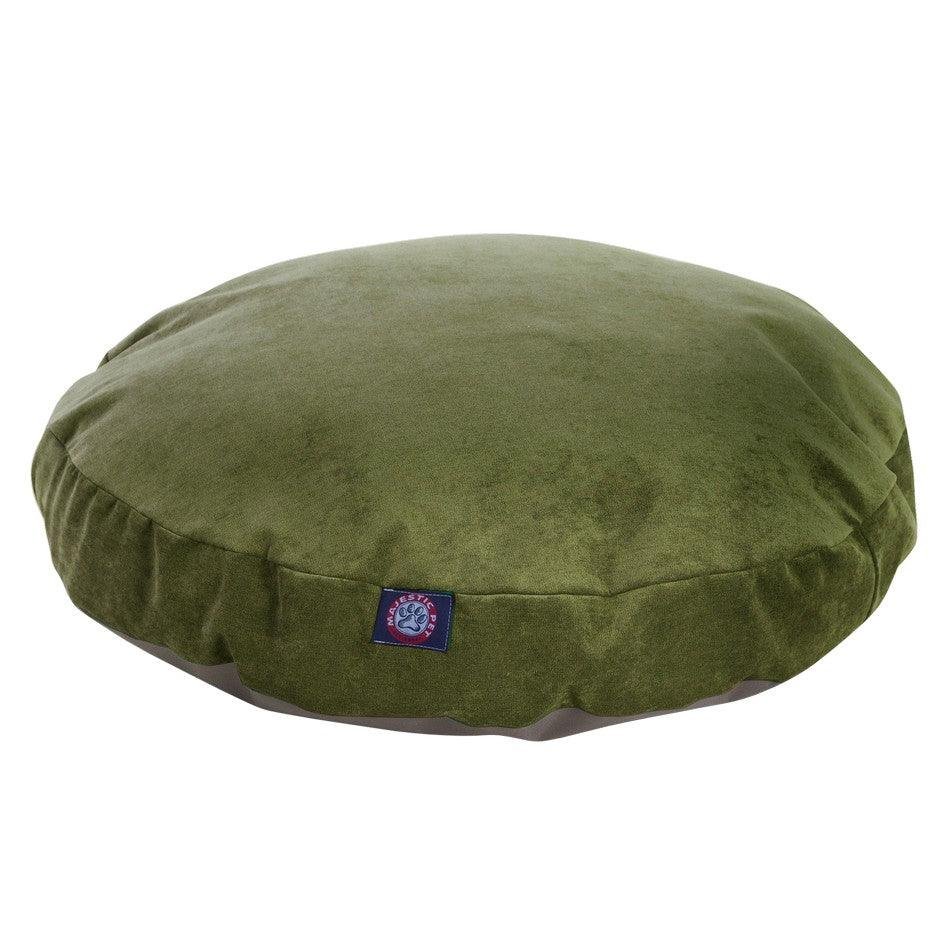
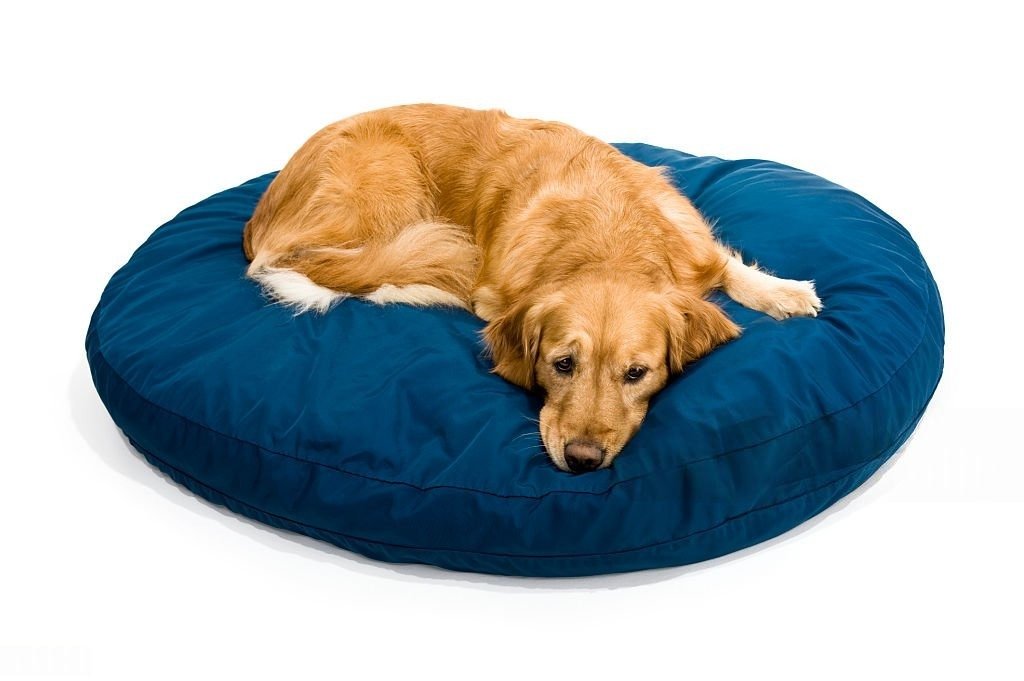
Now, let’s talk about the pillow bed—the minimalist of the dog bed world. Pillow beds are essentially oversized, plush cushions designed for dogs who love space and freedom. If your large breed loves to sprawl across the floor like a lion, this style might be their dream come true.
Unlike bolsters or orthopedic designs, pillow beds offer a wide, open surface without raised edges. This makes them ideal for dogs that toss, turn, or sleep belly-up (you know the pose!). They’re lightweight, easy to move, and often come in washable, durable covers like canvas or microfiber—perfect for messy pets.
While pillow beds may not offer as much orthopedic support as foam-based models, you can easily find versions with thicker filling or egg-crate foam layers that provide moderate cushioning. For younger, active large breeds with healthy joints, this type of bed provides a balance of comfort and flexibility.
The best part? Pillow beds are often more budget-friendly and come in larger sizes, making them great for multi-dog households or for rotating between rooms.
If you choose a pillow-style bed for your large dog, make sure it’s at least 4 to 6 inches thick to prevent flattening under their weight. And opt for washable covers—because no matter how adorable your dog is, drool and fur are part of the package deal.
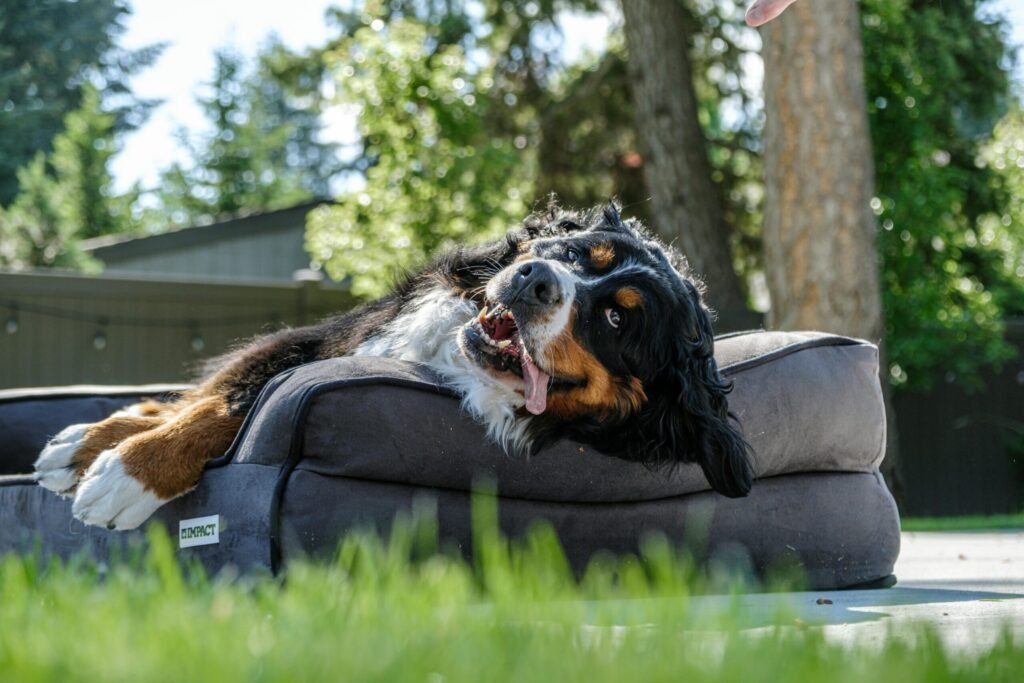
Every large dog has their own “bed personality.” Some crave security and snug corners, while others prefer freedom and space. When learning how to choose the right dog bed for large breeds, it’s not just about size or foam type—it’s about understanding how your dog sleeps.
You might even mix and match! Some pet parents keep a bolster bed for nighttime and a pillow bed for daytime lounging. The key is to watch how your dog naturally sleeps—because their habits tell you more than any label on a product page.
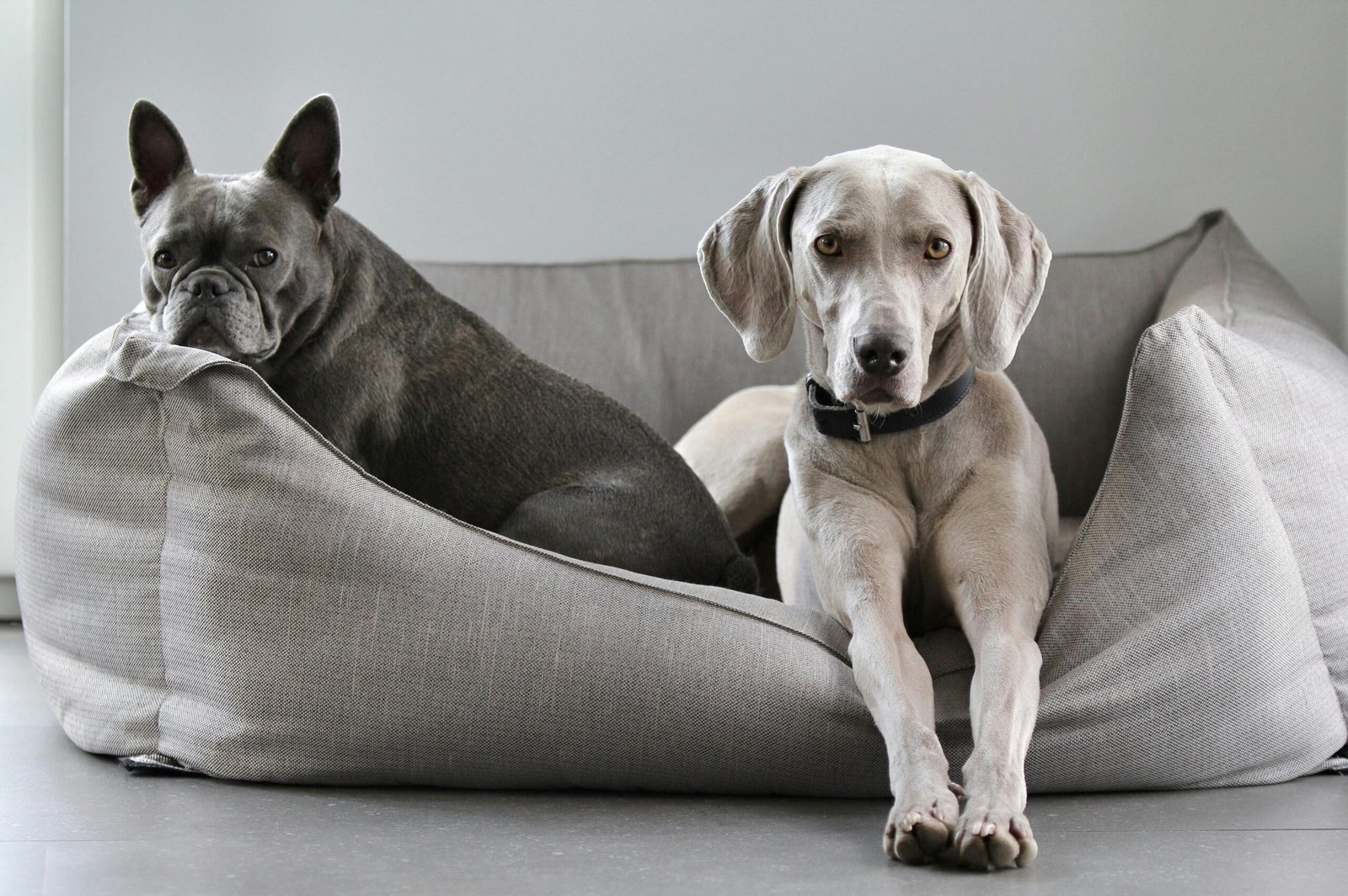
When you’re figuring out how to choose the right dog bed for large breeds, one of the most important things to think about isn’t just the shape or size—it’s the materials inside the bed. You can pick the fluffiest or most stylish bed out there, but if it sags like a pancake after a week, your big dog won’t thank you.
Large breed dogs are strong, heavy, and full of personality. But that also means their beds need to withstand more weight and pressure than smaller dogs. The right materials can make a huge difference in your dog’s joint health, comfort, and long-term well-being. Let’s explore how to choose the right dog bed for large breeds and which materials actually hold up—and which ones won’t make the cut.
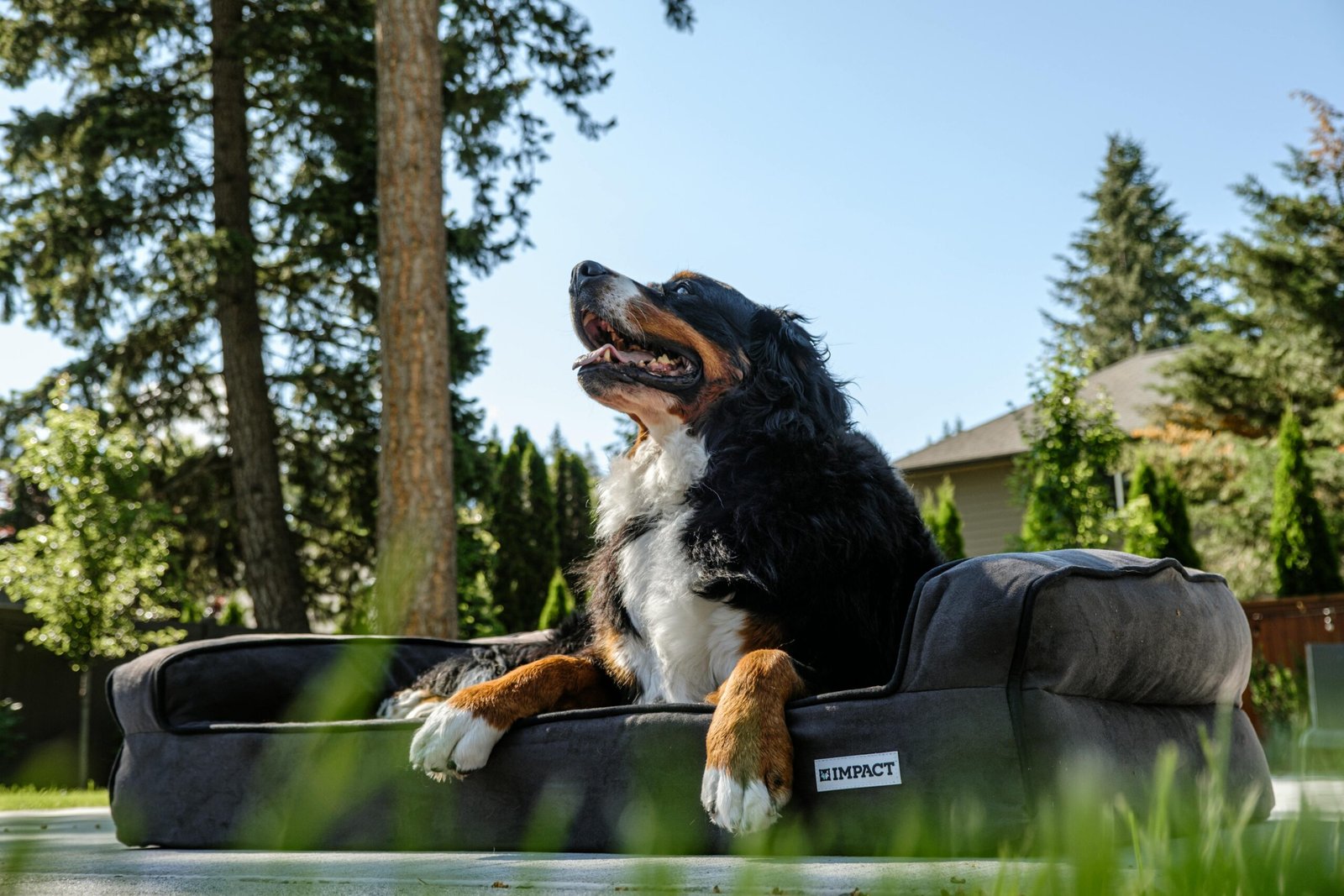
If you’ve ever watched your large dog plop down onto a soft bed, you know that “gentle landing” is not in their vocabulary. A lightweight or cheaply filled dog bed will flatten out fast under that much force. Once that happens, your pup is basically lying on the floor with a thin layer of fabric.
This is a big problem for large breed dogs like Labradors, German Shepherds, and Great Danes because they need steady, even support to avoid joint strain. Beds made from low-quality polyester fiberfill or basic foam start out looking cozy but quickly lose shape, leading to sagging and discomfort.
That’s why choosing high-density and orthopedic materials is a must. These provide long-term resilience, meaning your dog’s bed keeps its shape even after countless naps, stretches, and zoomies.
When it comes to durable support, nothing beats memory foam. It’s like the Cadillac of dog bed materials—luxurious, supportive, and smart. Memory foam conforms to your dog’s body shape, distributing their weight evenly and reducing pressure on their joints, hips, and spine.
For large breeds prone to arthritis, hip dysplasia, or stiffness, orthopedic memory foam dog beds are a total game-changer. They help maintain healthy alignment, improve circulation, and prevent sore spots from forming.
When shopping, look for:
If your dog’s bed feels like it’s flattening after a few weeks, that’s a sign the foam isn’t dense enough. A good orthopedic bed for large dogs should bounce back after every use and hold its shape for years.
Large dogs tend to generate more body heat while they sleep. If you’ve ever noticed your pup switching spots or avoiding their bed during summer, temperature is likely the culprit. That’s where cooling gel memory foam comes in.
Beds made with gel-infused foam or ventilated layers help dissipate heat and keep your dog’s temperature regulated. This type of material maintains comfort even in warm climates—something especially useful if your pup sleeps indoors without air conditioning.
For an added bonus, look for moisture-wicking or breathable covers. These help prevent odor buildup and keep the bed fresh, even after long naps or muddy playtime.
Semantic keywords naturally included here: cooling dog bed, temperature regulation, gel memory foam dog bed, breathable dog mattress, airflow support.
While memory foam and gel layers handle comfort, a good base is what makes the bed resilient. For large breed dogs, a supportive base layer prevents sagging, ensuring your dog isn’t sinking to the ground by morning.
Some of the best dog beds use orthopedic egg-crate foam at the bottom for extra bounce and air circulation. Others use dense polyurethane foam that gives a firm foundation beneath softer top layers.
If you’re going for a pillow-style or bolster bed, make sure the filler material is baffle-stitched or compartmentalized. This prevents clumping and ensures the stuffing stays evenly distributed. You can also look for recycled polyfill or eco-friendly memory foam alternatives for a sustainable twist.
For extra durability, choose beds with non-slip, waterproof bases—especially if your dog likes to nap near water bowls or outdoors. It not only protects the foam but also makes cleaning up messes much easier.
Even the best dog bed materials won’t matter if the cover wears out or traps odor. Large dogs shed more fur, drool more, and bring in more dirt—so washable covers are a lifesaver.
When choosing a cover, look for:
A washable orthopaedic dog bed with a durable cover helps your bed last longer, smell better, and stay hygienic—especially if your dog spends time outdoors or suffers from seasonal allergies.
Now that you know about the materials, here’s a quick way to decide what’s best for your big pup:
| Dog Type | Best Bed Material | Why It Works |
|---|---|---|
| Senior Dogs | High-density memory foam | Reduces joint pressure and supports aging bones |
| Active Dogs | Multi-layer foam with cooling gel | Keeps muscles relaxed and prevents overheating |
| Heavy Breeds | Orthopedic foam + solid base | Prevents sagging and maintains shape |
| Messy Sleepers | Waterproof bed with washable cover | Easy cleaning and odor control |
When you understand what’s inside the bed, choosing the right dog bed for large breeds becomes a lot easier. You’re not just buying a cushion—you’re investing in your dog’s health, happiness, and quality of rest.
So, you’ve explored orthopedic foam, compared bolster versus pillow beds, and checked for sag-free materials—but now comes the real test: will your dog’s bed actually survive your big pup’s daily routine?
When it comes to how to choose the right dog bed for large breeds, three factors matter more than most pet parents realize: size, durability, and easy cleaning. These are the difference between a bed that lasts a year and one that lasts a lifetime of naps, cuddles, and zoomies.
Let’s break it down so you can make a choice your dog (and your home) will thank you for.
When shopping for a large dog, “big” isn’t always big enough. One of the most common mistakes pet parents make is underestimating how much sleeping space their large breed truly needs.
Your dog should be able to stretch out fully without any paws hanging off the edge. If your Great Dane, Labrador, or Golden Retriever sleeps half on and half off the bed, that’s your sign—it’s too small.
Here’s a quick size guide to keep things simple:
| Dog Size | Ideal Bed Length | Example Breeds |
|---|---|---|
| Large (70–90 lbs) | 40–48 inches | Golden Retriever, Boxer |
| Extra-Large (90–120 lbs) | 48–54 inches | Great Dane, Mastiff |
| Giant (120+ lbs) | 54+ inches | Saint Bernard, Newfoundland |
Measure your dog while they’re fully stretched out, then add 6–8 inches for comfort. This ensures proper joint support, reduces stiffness, and allows natural movement during sleep.
And remember—your dog’s bed isn’t just a place to nap. It’s their personal space to relax, chew toys, and dream about squirrels. So a little extra room is never wasted.
Large breed dogs are tough on their stuff. Between heavy weight, digging behavior, and the occasional zoomie-induced crash landing, a regular dog bed won’t last long. That’s why durability is a make-or-break feature.
When you’re comparing options, focus on these features:
If your dog loves the outdoors, a water-resistant or weatherproof dog bed can also be a smart investment. These are made with durable materials that repel dirt, moisture, and UV damage—perfect for porches, patios, or camping trips.
It might be tempting to grab the cheapest “XL” bed on sale, but investing in quality materials saves you money long-term. A well-made, orthopedic dog bed with a durable frame can easily outlast three or four cheap ones—and provide your big pup with consistent support the whole time.
Let’s be honest—large dogs come with large messes. Whether it’s drool, fur, muddy paws, or the occasional accident, your dog’s bed can get grimy fast. That’s why easy cleaning isn’t optional—it’s essential.
Look for a bed with removable, machine-washable covers. This simple feature saves you hours of frustration. Zippered covers that slide off easily make washing quick and painless.
If you want to take cleaning convenience even further, choose a bed with:
Pro tip: keep an extra bed cover handy. That way, while one is in the wash, your dog still has a clean spot to nap on.
For dogs with allergies or sensitive skin, hypoallergenic materials can also help reduce dust and dander buildup. A clean bed means a healthier dog—and a fresher home for you. And when you’re learning how to choose the right dog bed for large breeds, selecting allergy-friendly fabrics becomes an important part of keeping your big pup comfortable.
While function comes first, don’t forget about style. After all, your dog’s bed is part of your living space. Modern large dog beds come in stylish fabrics, neutral tones, and minimalist designs that blend right into your home decor.
Choose colors that hide fur (grays, tans, or earthy tones) and patterns that disguise stains between washes. You’ll be surprised how easily a good dog bed can complement your couch instead of competing with it.




Leave a comment