0 Items
No products in the cart.
TL;DR
Dog training treats speed up learning by creating clear, positive connections between behaviour and rewards. When treats are timed correctly, sized properly, and used with intention, dogs stay focused, motivated, and confident. Avoid common mistakes like poor timing, overfeeding, and unrealistic expectations to build faster, long-lasting obedience through reward-based training.
Training your dog can feel slow at first, especially when commands do not stick right away. You might repeat cues, use patience, and still wonder what you are missing. This is where rewards make a powerful difference. When used correctly, dog training treats help your dog understand faster and learn with enthusiasm.
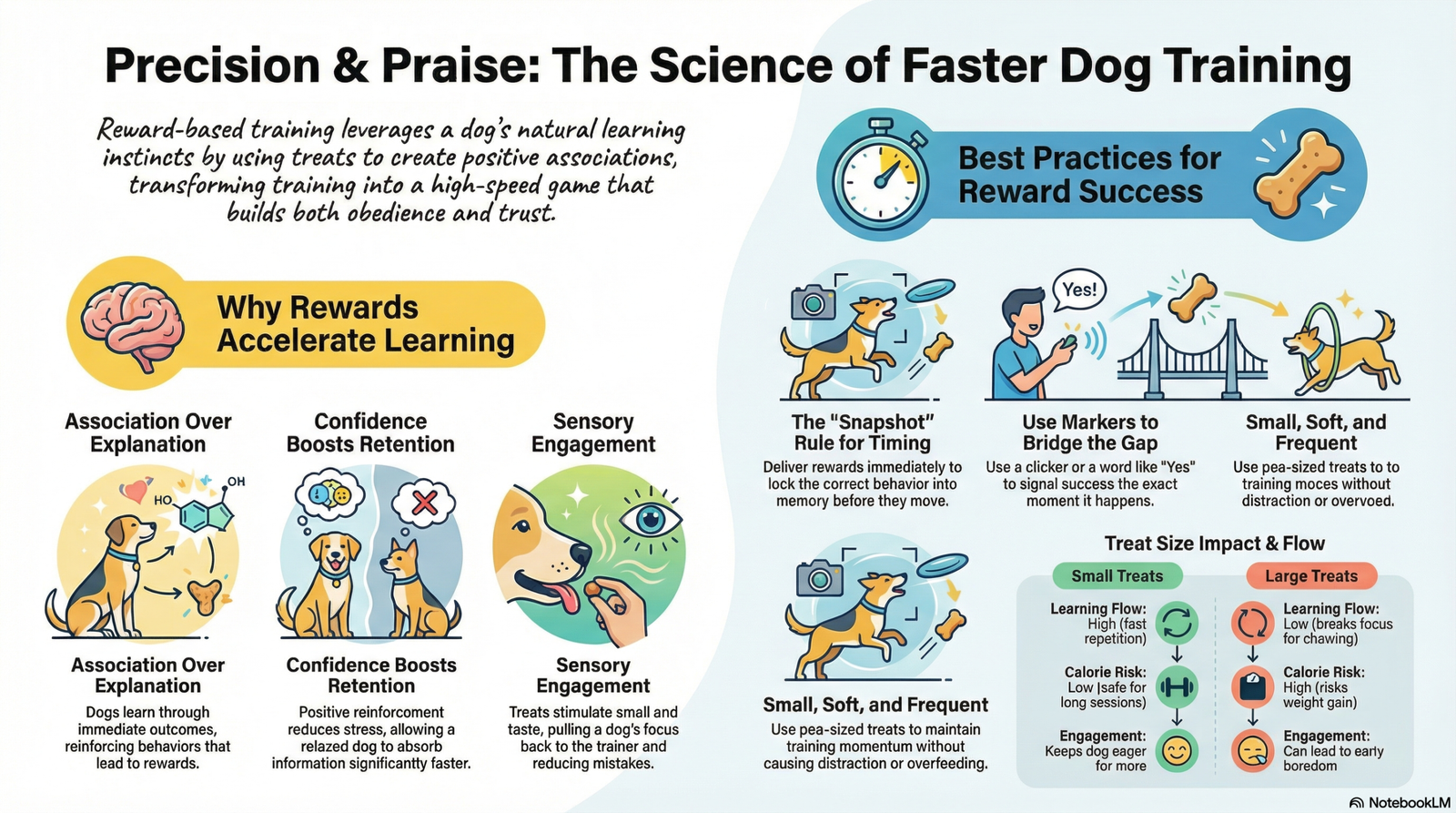
Dogs learn through association, not long explanations. Rewards create clear connections between actions and outcomes. When your dog realises good behaviour leads to something enjoyable, motivation increases instantly. Learning becomes fun instead of confusing or stressful.
Rewards do not spoil dogs when used properly. Instead, they guide behaviour positively and encouragingly. Understanding why rewards work helps you train smarter, not harder.
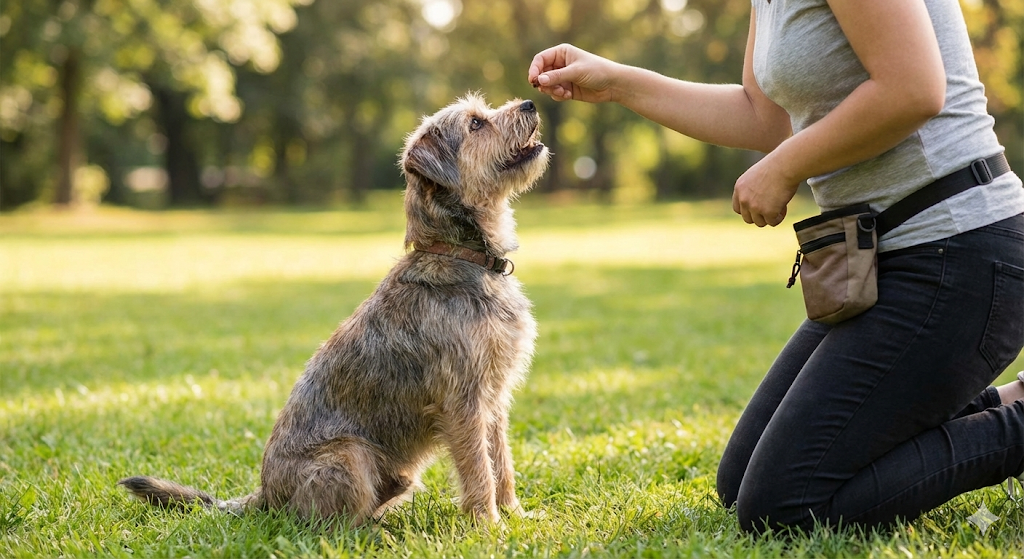
Dogs respond strongly to immediate feedback. When an action leads to a reward, the brain remembers it clearly. Dog training treats act as instant feedback that your dog understands without confusion. This clarity speeds up learning significantly.
The canine brain releases feel-good chemicals when rewarded. These chemicals reinforce the behavior linked to the reward. Over time, your dog repeats actions that consistently bring positive results. This process is called positive reinforcement, and it works naturally.
Rewards also reduce stress during training. Dogs feel safer and more confident when learning feels rewarding. Fear and pressure slow learning, while encouragement accelerates it. A relaxed dog absorbs information much faster.
You may notice quicker responses when treats are involved. Commands that once took weeks may stick within days. This happens because rewards create strong mental connections. Clear signals help dogs focus and stay engaged.
Training sessions become shorter and more productive. Dogs remain interested when rewards are present. This prevents boredom and frustration for both of you.
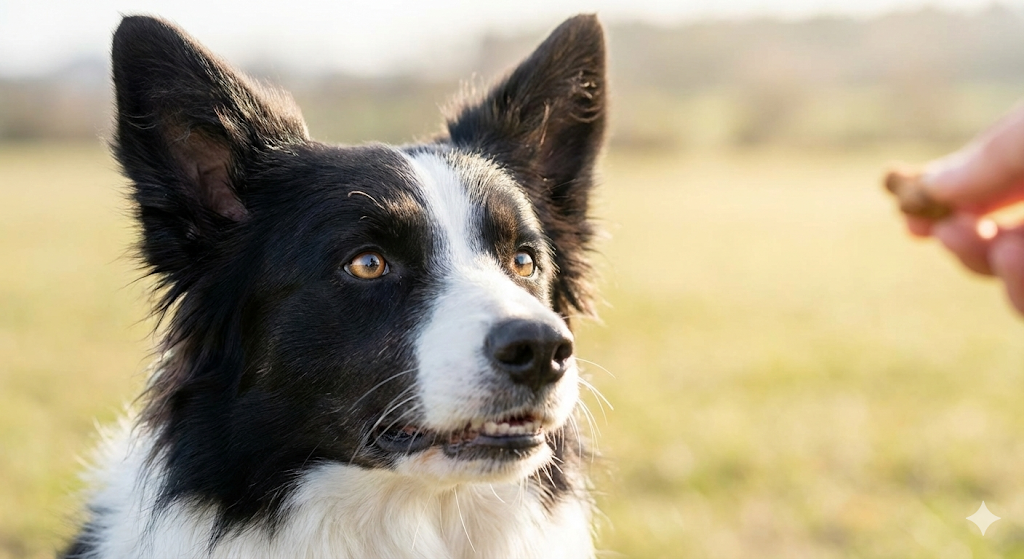
Attention is essential for learning. Dogs cannot learn commands they do not notice. Dog training treats grab attention quickly and hold it. This is especially helpful with puppies or energetic dogs.
Food rewards stimulate the senses. Smell and taste activate a strong interest. This sensory engagement pulls focus back to you. Your dog learns to watch and listen closely.
Focused dogs make fewer mistakes. They understand cues faster and respond more consistently. Treats help maintain that focus throughout sessions.
Short training sessions become more effective with rewards. You accomplish more in less time. Consistency improves when focus remains high.
Better focus also improves timing. Dogs associate rewards with exact behaviors. Clear timing strengthens learning speed significantly.
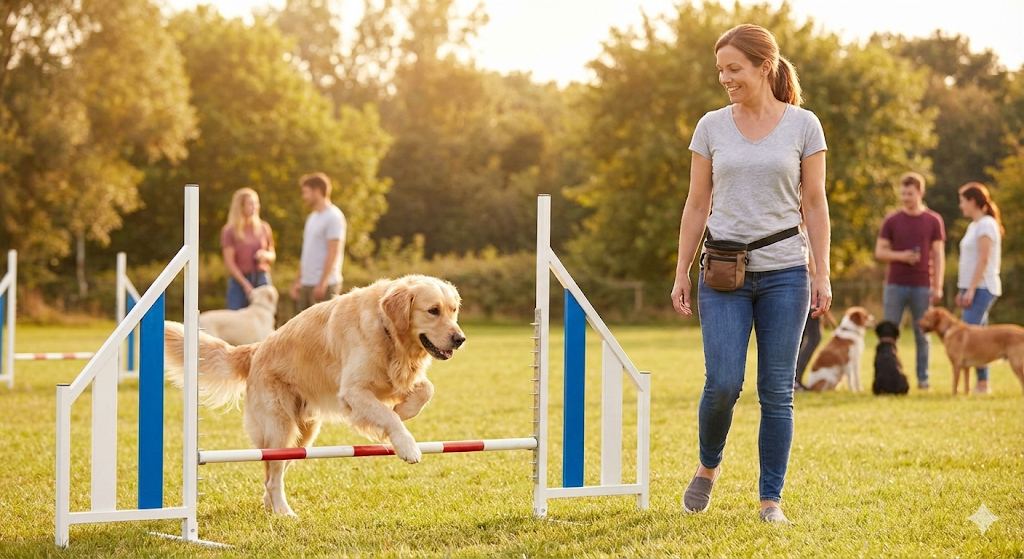
Dogs love games, and rewards turn training into one. When learning feels playful, dogs participate willingly. Dog training treats add excitement and fun to lessons.
Playful learning increases engagement. Dogs stay present and eager. This emotional involvement strengthens memory.
Games reduce pressure during training. Mistakes feel less serious. Dogs bounce back faster and keep trying.
Fun training strengthens your bond. Shared enjoyment builds trust and cooperation. This connection improves learning outcomes.
When dogs enjoy training, consistency improves. Regular practice leads to faster progress.
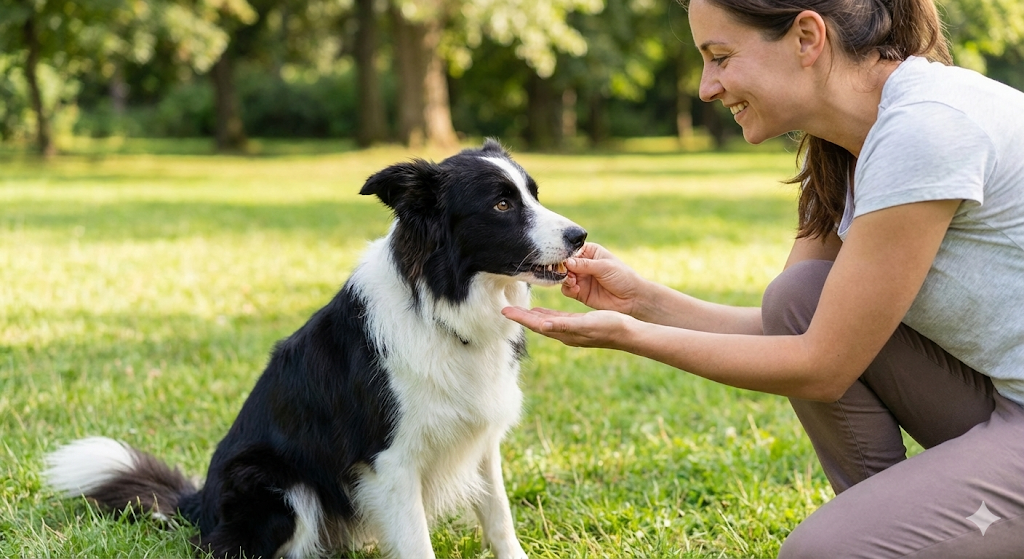
Rewards do more than teach commands. They shape behaviour and mindset. Dogs trained with rewards tend to be calmer and more confident.
Reward-based learning encourages problem-solving skills. Dogs learn how to earn success. This adaptability helps in new situations.
Dog training treats also support socialization. Positive experiences build comfort around people and environments. Learning extends beyond commands.
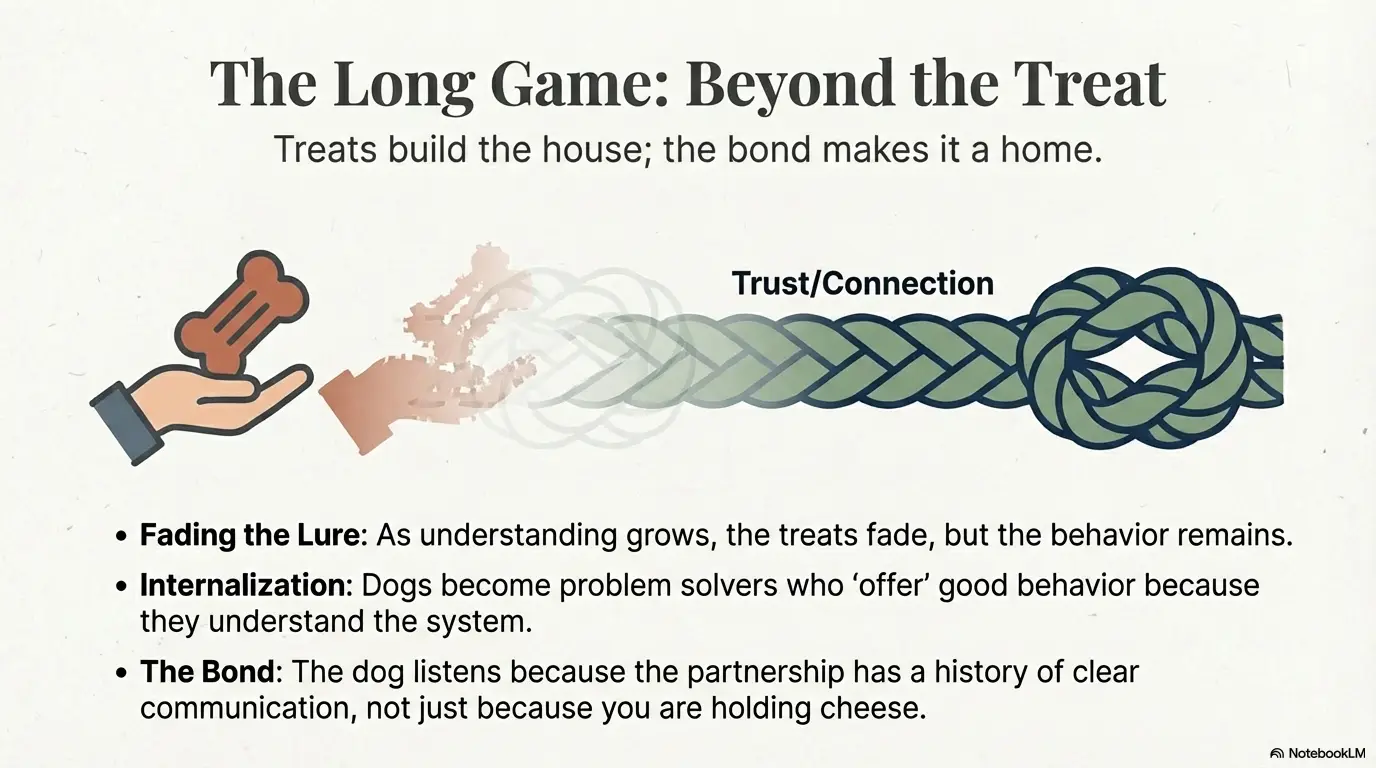
As your dog matures, reliance on treats decreases naturally. Learned behaviors remain because understanding is strong. Rewards build lasting foundations.
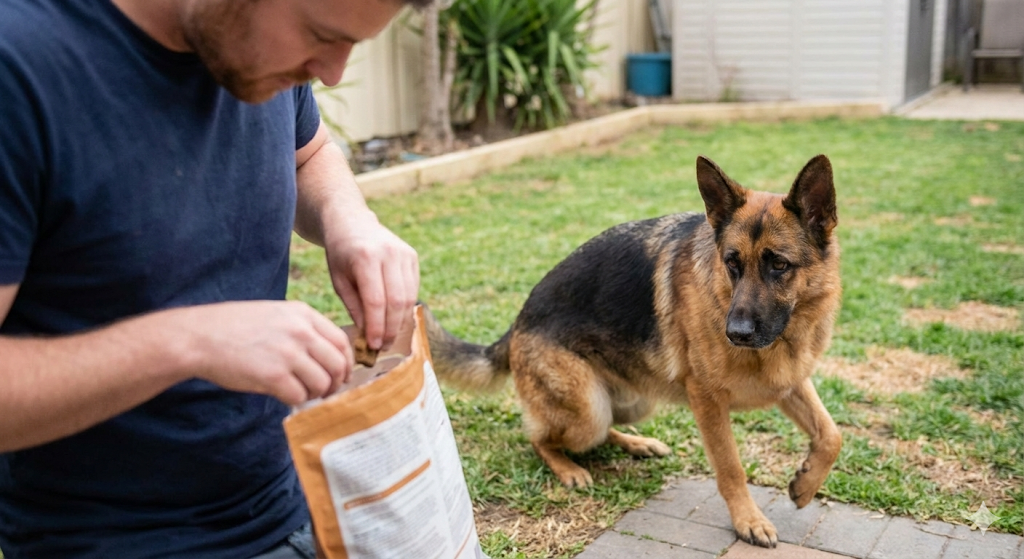
Using rewards is not about shortcuts. It is about respecting how dogs learn best. Dog training treats align with natural learning instincts. This alignment accelerates progress significantly.
When you reward correctly, learning feels effortless. Dogs understand faster and respond better. Training becomes enjoyable for both of you.
Rewards create clarity, motivation, and confidence. These elements work together to speed learning. Choosing rewards means choosing effective communication.
Understanding why rewards work helps you use them wisely. With the right approach, dog training treats become powerful teaching tools.
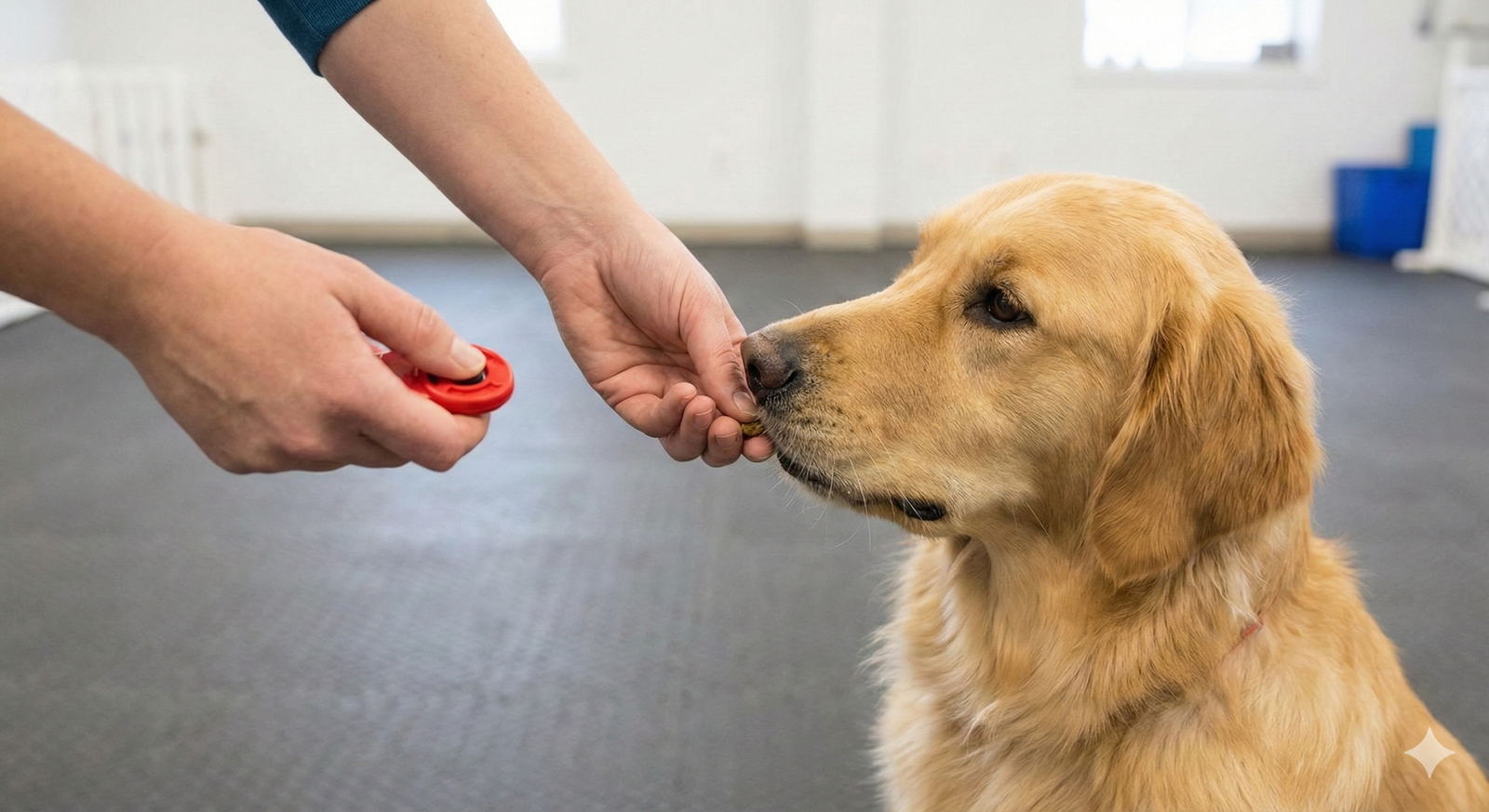
Giving dog training treats is not just about what you give, but when you give it. Timing plays a huge role in how quickly your dog understands new commands. You may use the best treats available, but poor timing can slow progress. When rewards arrive at the right moment, learning feels effortless and clear.
Dogs live in the present moment. They connect actions with outcomes that happen immediately. If a reward comes too late, your dog may not understand what behavior earned it. Proper timing removes confusion and strengthens communication between you and your dog.
Understanding treat timing helps you train smarter. You reduce repetition, frustration, and mixed signals. With correct timing, dog training treats become powerful learning tools rather than random snacks.
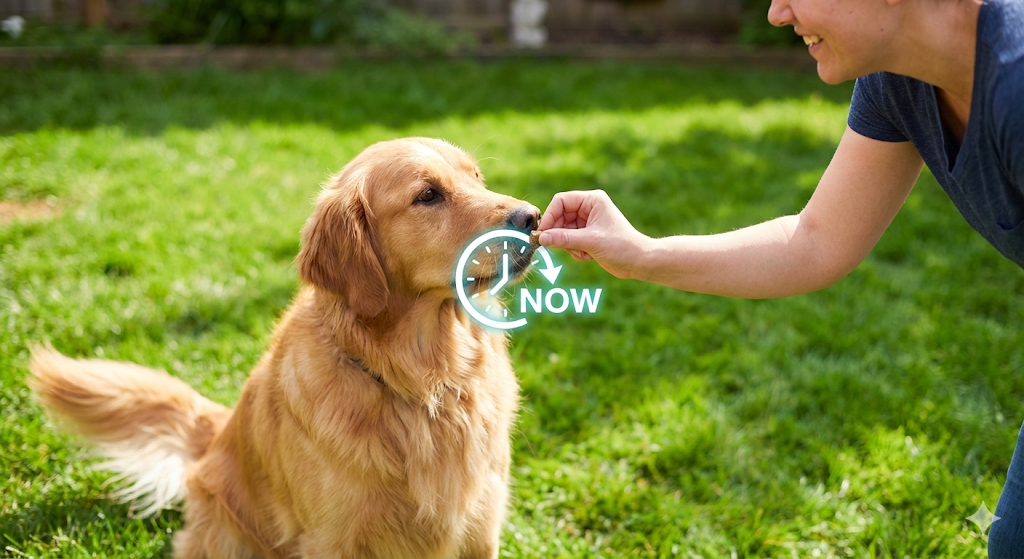
Dogs learn through association, not reflection. When your dog performs a behavior, the brain looks for instant feedback. Dog training treats given immediately create a clear connection between action and reward. This clarity speeds learning dramatically.
Even a few seconds of delay can cause confusion. If your dog sits, then moves, then gets a treat, the lesson becomes unclear. Your dog may think standing up earned the reward. Immediate delivery locks the correct behavior into memory.
Think of rewards as snapshots. The treat captures the exact moment your dog succeeded. The clearer the snapshot, the stronger the memory. Clear memories reduce repeated mistakes.
Immediate rewards also reduce stress. Dogs feel confident when they understand what they did right. Confidence encourages repetition and faster progress. Calm learning always outperforms pressured learning.
This is why trainers often say, “Reward fast.” Speed builds clarity, and clarity builds success.
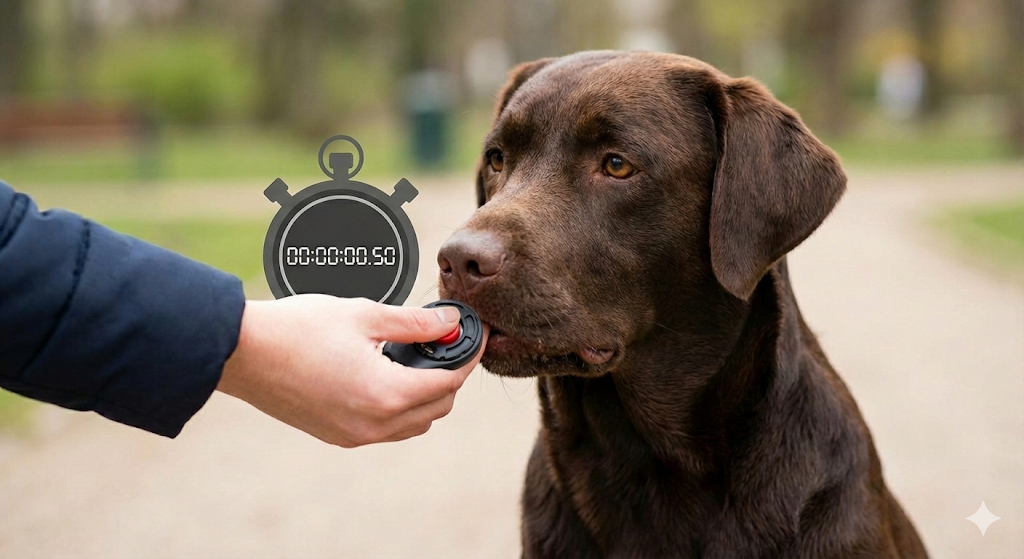
Marker signals help bridge the gap between behavior and reward. A marker tells your dog exactly when they did something right. Common markers include a clicker sound or a word like “yes.” These signals work alongside dog training treats.
A clicker makes a consistent, clear sound that marks success instantly. The treat can follow a second later without confusion. The click becomes the promise of the reward. This improves precision in training.
Verbal markers work similarly when used consistently. Saying “yes” at the exact right moment highlights the behavior. Your dog learns to associate that word with success and rewards.
Marker timing matters more than treat timing. If the marker is late, the message becomes unclear. Practice marking the behavior first, then rewarding calmly. This builds accuracy and confidence.
Using markers improves communication dramatically. Dogs learn faster because they understand exactly which action earned praise. Dog training treats then reinforce that understanding.
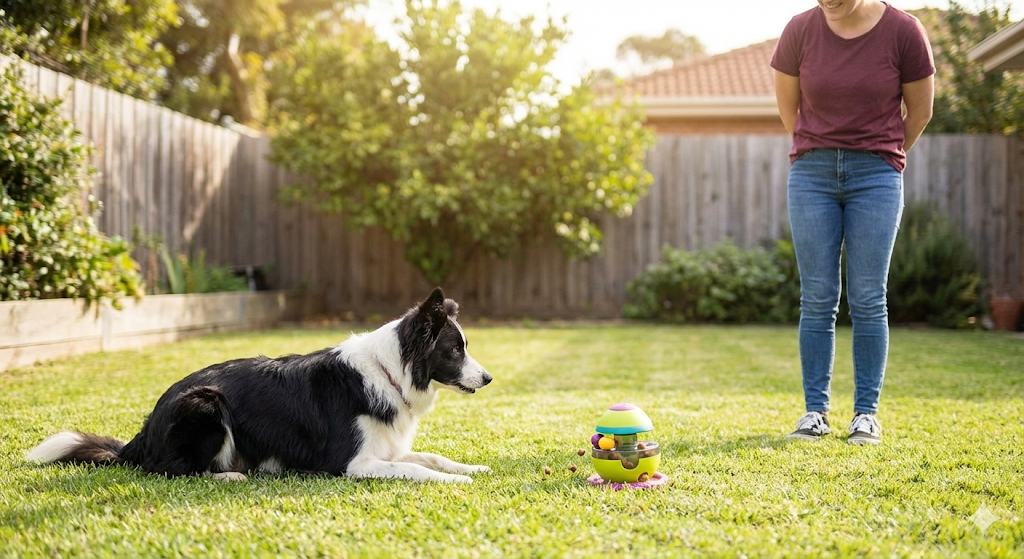
Timing needs change depending on what your dog is learning. Early training requires immediate rewards for every correct attempt. Dog training treats should follow each success to build understanding quickly.
During the early stages, reward generously and quickly. This helps your dog grasp new commands without frustration. Repetition paired with immediate rewards creates strong learning patterns.
As skills improve, timing becomes more selective. You begin rewarding only the best responses. This teaches your dog to perform with accuracy and confidence. The treat becomes motivation for excellence.
Later, you can switch to variable reinforcement. This means rewarding unpredictably while still praising consistently. Dogs stay engaged because rewards feel exciting and earned. Learned behaviours remain strong.
Understanding training stages helps you time rewards appropriately. The goal is always clarity first, then consistency.
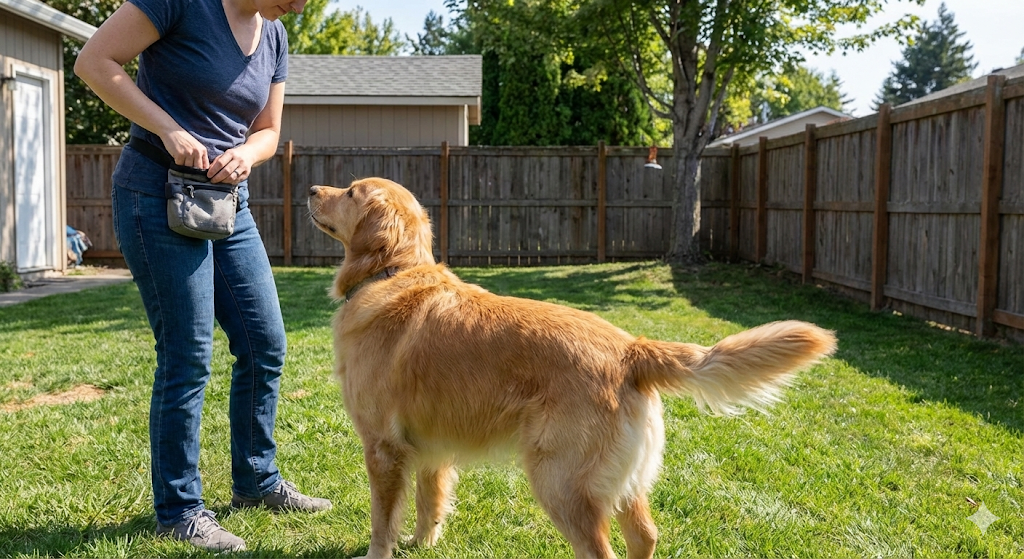
Many owners accidentally reward the wrong behavior without realizing it. Treats given too late often reinforce unwanted actions. This creates confusion and slows training progress.
One common mistake is reaching for treats slowly. While you search your pocket, your dog may move or break position. When the treat arrives, the lesson changes. Preparation prevents this issue.
Another mistake involves rewarding before the behaviour finishes. Giving treats mid-action may stop completion. Your dog may think partial effort earns rewards. Timing should mark completed behaviours clearly.
Talking too much can also disrupt timing. Long praise sentences delay rewards and confuse signals. Simple markers paired with dog training treats work best.
Avoid emotional reactions during training. Excitement or frustration affects timing accuracy. Calm, consistent delivery keeps lessons clear.
Recognizing these mistakes helps you correct them quickly. Better timing leads to faster understanding and smoother training sessions.
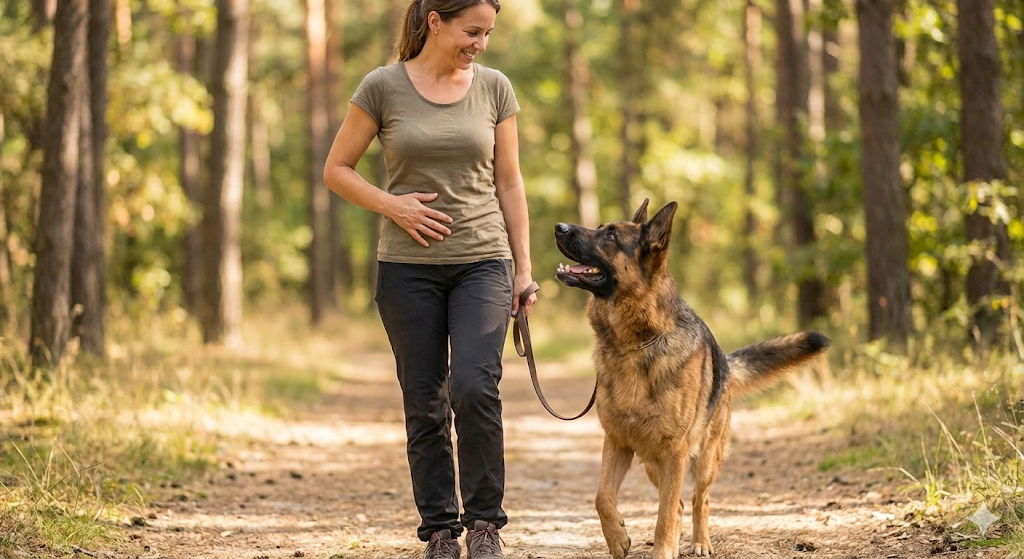
Good timing does more than teach tricks. It builds trust, confidence, and long-term obedience. Dogs trained with clear timing understand expectations deeply.
Dog training treats used correctly create positive learning experiences. Positive reinforcement strengthens bonds and cooperation. Dogs want to work with you, not avoid mistakes.
Clear timing also improves memory retention. Dogs remember rewarded behaviors longer and perform them more reliably. This reduces retraining later.
As training progresses, reliance on treats decreases naturally. Learned behaviors remain because understanding is strong. Timing builds habits, not dependence.
When you master timing, training feels easier and more enjoyable. Your dog learns faster, responds better, and stays motivated. That is the true power of perfectly timed rewards.
When you think about dog training treats, you probably focus on flavour or quality first. Treat size often feels like a small detail that does not matter much. In reality, treat size plays a huge role in how successful your training sessions become. The right size keeps your dog motivated, focused, and eager to learn.
Many owners accidentally slow training by using treats that are too large. Big treats interrupt the flow of learning and reduce repetition. On the other hand, treats that are too small or unappealing fail to motivate. Finding the right balance helps you get better results with less effort.
Understanding how treat size affects learning allows you to train smarter. When size supports motivation instead of distraction, progress feels smoother and faster.
Smaller treats are usually more effective during training sessions. Dogs care more about getting the reward than its size. Dog training treats that are small allow you to reward frequently without overfeeding. Frequent rewards strengthen learning quickly.
Training requires repetition, especially when teaching new commands. If each reward is large, your dog fills up fast. A full dog loses interest in treats and training. Smaller treats keep motivation high throughout the session.
Small treats also keep your dog focused on the task. Large treats take longer to chew and swallow. This breaks attention and slows the pace. Quick rewards keep momentum strong.
Using small treats allows you to reward precise behavior. You can mark multiple correct responses in a short time. This improves clarity and speeds learning. Clear communication always improves training success.
Many trainers recommend pea-sized or even smaller pieces. These sizes provide taste without distraction. Dogs stay engaged and eager for the next cue.
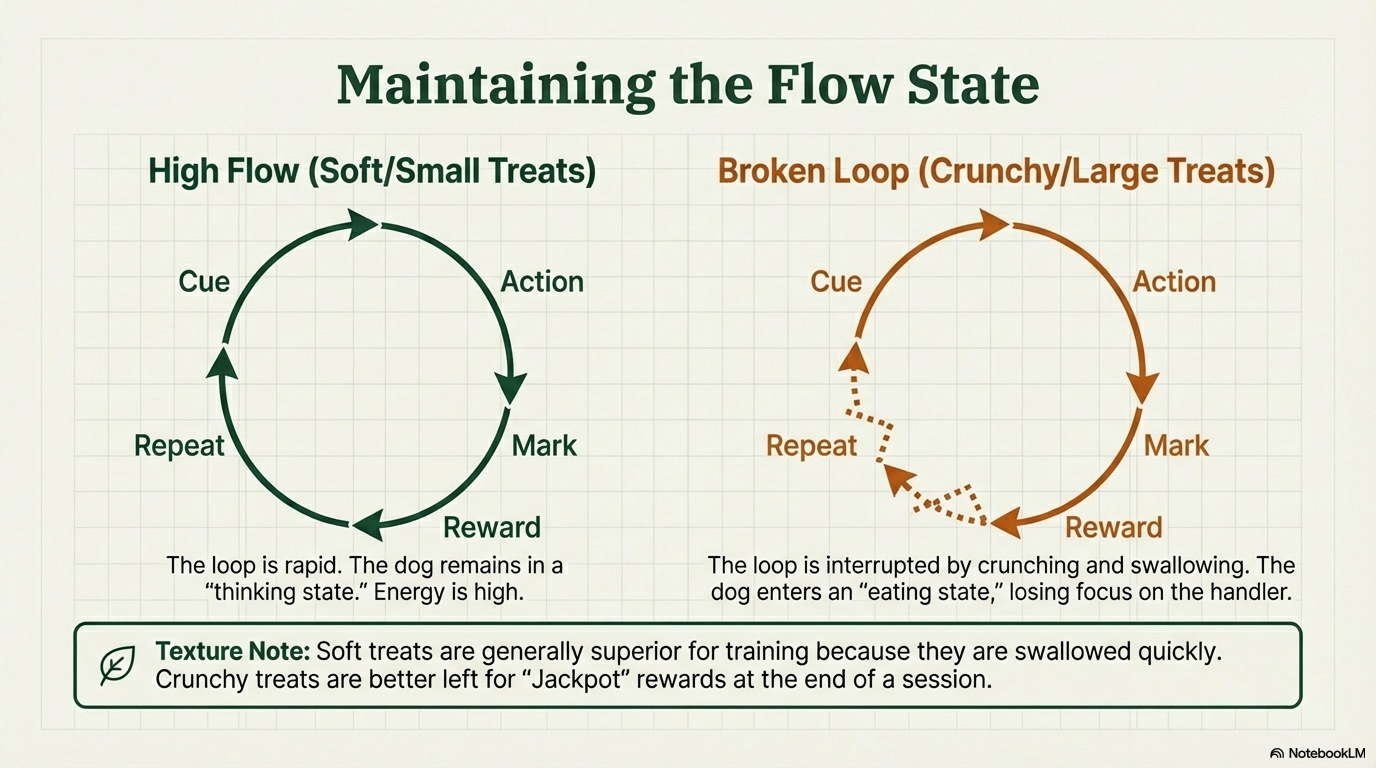
Training flow matters more than many owners realize. Flow keeps your dog mentally engaged and responsive. Dog training treats that fit quickly into your dog’s mouth maintain that flow. No long pauses mean faster learning.
Large treats interrupt this rhythm. Dogs stop thinking about commands and focus on chewing. This pause breaks concentration and reduces effectiveness. Training becomes slower and less consistent.
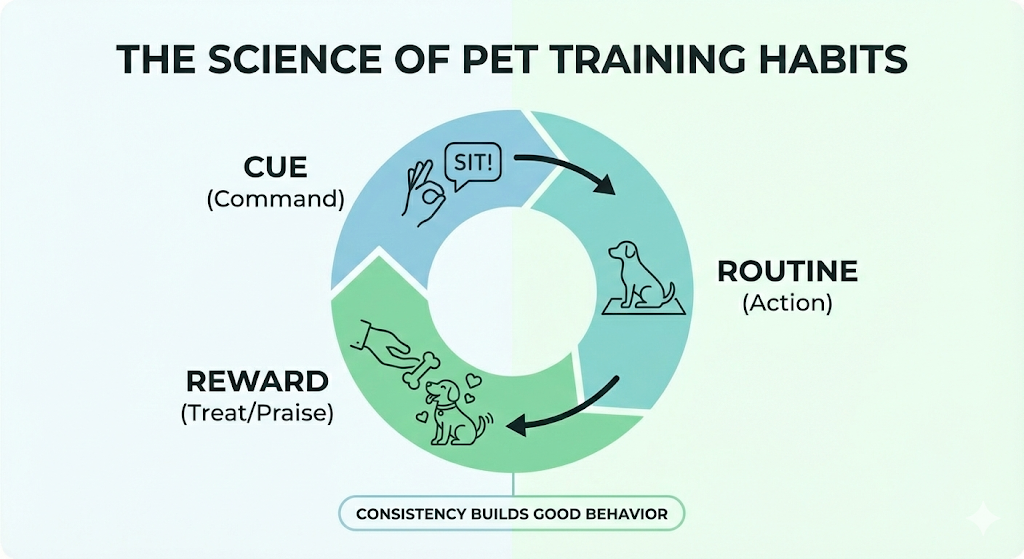
Smaller treats support quick reward cycles. Cue, action, reward, repeat. This rhythm builds strong learning patterns. Dogs understand expectations clearly and respond faster.
Flow also affects excitement levels. Rapid rewards create positive energy. Training feels like a fun game rather than a chore. Dogs participate willingly when flow stays smooth.
Maintaining flow helps reduce frustration for you as well. Smooth sessions feel productive and enjoyable. Treat size plays a quiet but powerful role here.
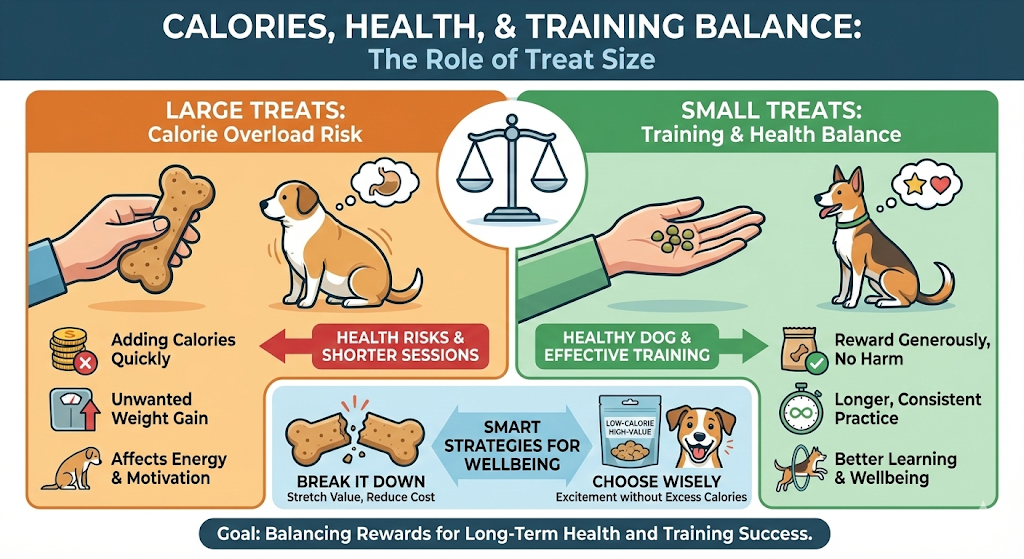
Treat size directly affects your dog’s calorie intake. Training often involves many repetitions. Dog training treats that are too large add calories quickly. This can lead to unwanted weight gain.
Small treats allow you to reward generously without harming health. You can train longer without worrying about overfeeding. This balance supports consistent practice.
Healthier dogs learn better. Excess weight affects energy, joints, and motivation. Keeping treats small protects long-term wellbeing while supporting learning.
You can also break larger treats into smaller pieces. This stretches value and reduces cost. Many soft treats divide easily without losing appeal.
Choosing low-calorie, high-value treats supports frequent rewarding. Dogs stay excited without consuming excessive calories. This approach benefits both training and health.
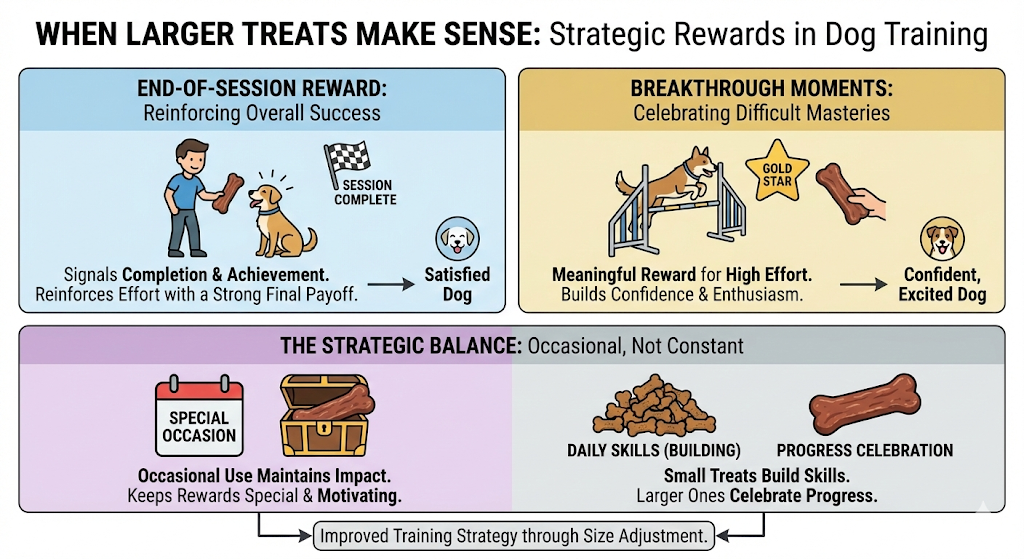
While small treats work best during active training, larger treats still have a place. End-of-session rewards reinforce success strongly. Dog training treats used at the right moment increase satisfaction.
A slightly larger reward can mark the end of a successful session. This signals completion and achievement. Dogs learn that effort leads to bigger payoff occasionally.
Larger treats also work well for difficult or breakthrough moments. When your dog masters a challenging command, a bigger reward feels meaningful. This builds confidence and enthusiasm.
However, these moments should remain occasional. Large treats lose impact if used constantly. Balance keeps rewards special and motivating.
Understanding when to adjust the treat size improves the training strategy. Small treats build skills, while larger ones celebrate progress.
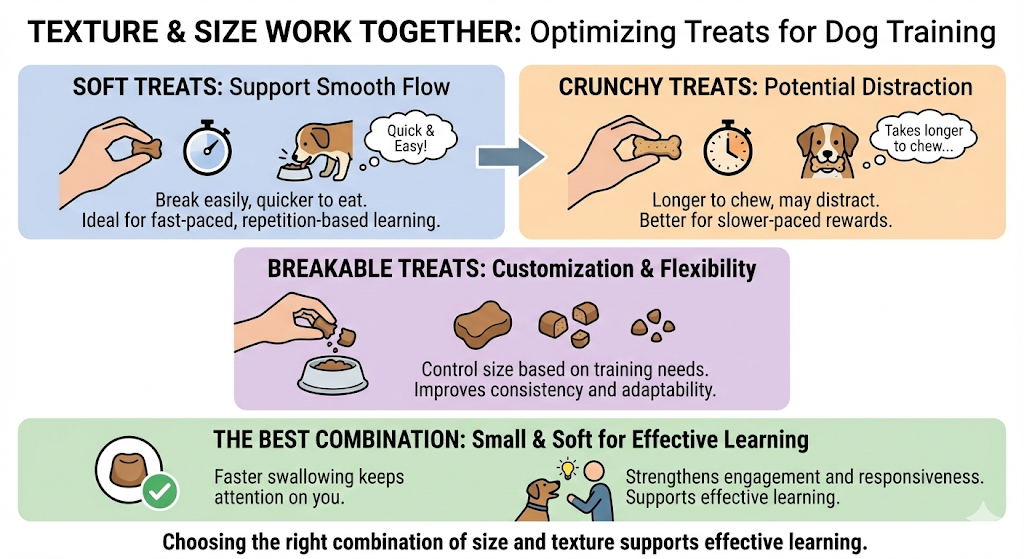
Treat size is not just about dimensions. Texture also matters. Soft treats break easily and are quicker to eat. Dog training treats with soft texture support smooth flow.
Crunchy treats take longer to chew. They may distract during fast-paced training. Soft, bite-sized treats work better for repetition-based learning.
Breakable treats allow customization. You control size based on training needs. Flexibility improves consistency.
Texture also affects swallow speed. Faster swallowing keeps attention on you. This strengthens engagement and responsiveness.
Choosing the right combination of size and texture supports effective learning. Small, soft treats usually deliver the best results.
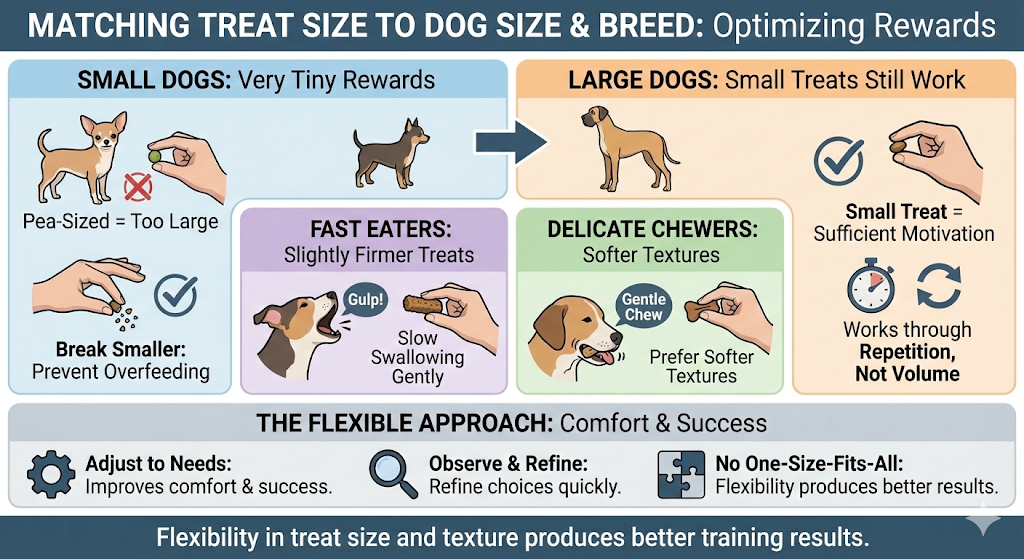
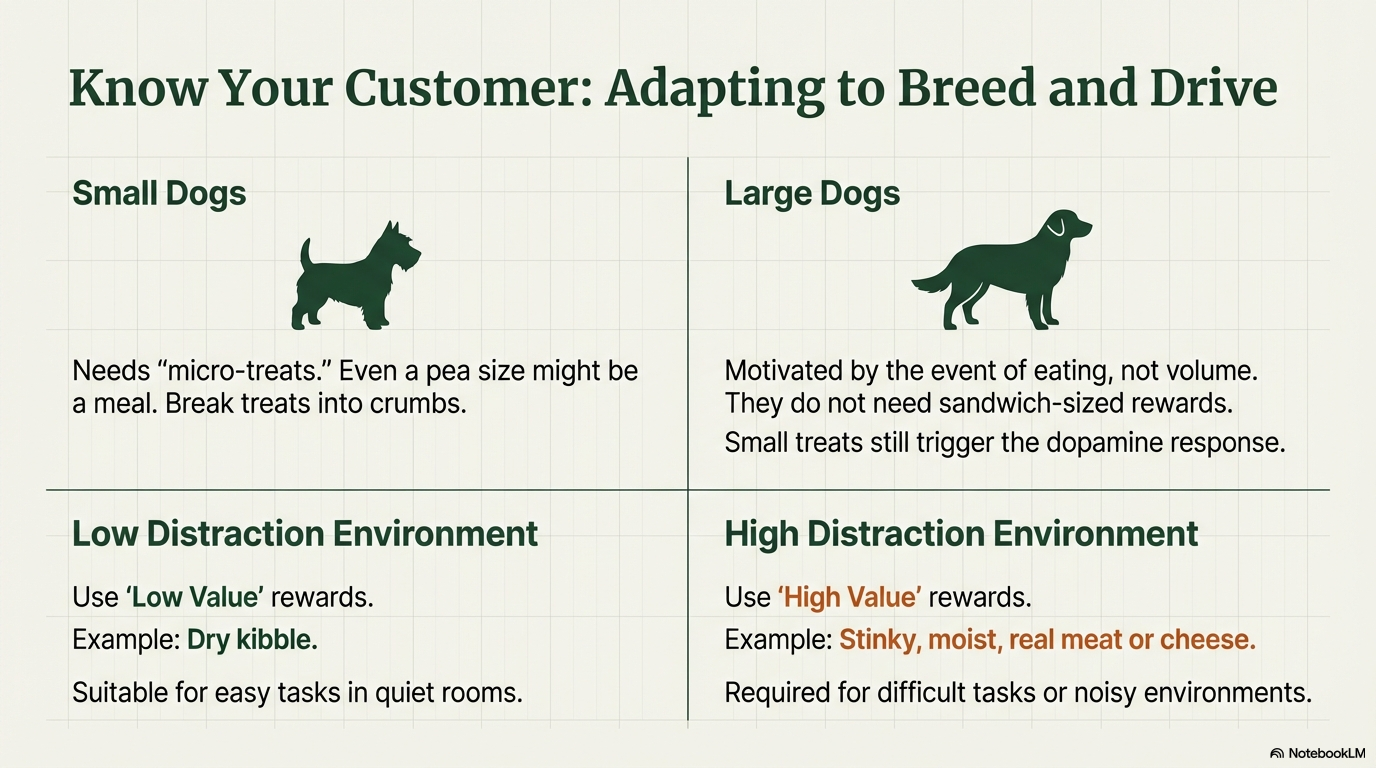
Dog size influences ideal treat size. Small dogs need very tiny rewards. Even pea-sized treats may be too large. Breaking treats smaller prevents overfeeding.
Large dogs still benefit from small treats. They do not need bigger rewards to feel motivated. Dog training treats work through repetition, not volume.
Breed and chewing style also matter. Fast eaters benefit from slightly firmer treats that slow swallowing gently. Delicate chewers prefer softer textures.
Adjusting size to your dog’s needs improves comfort and success. Observation helps you refine choices quickly.
There is no one-size-fits-all approach. Flexibility produces better results.
Training success depends on consistency and clarity. Treat size influences both. Dog training treats that are appropriately sized support repetition, focus, and health.
Small treats encourage longer sessions and better engagement. They reduce distractions and maintain flow. Over time, this leads to faster learning and stronger habits.
Proper sizing also prevents dependency. Dogs learn commands through understanding, not overeating. Treats remain tools, not crutches.
When you choose size intentionally, training feels easier. Progress becomes visible sooner. Both you and your dog enjoy the process more.
Treat size may seem like a small detail, but it shapes training outcomes. Getting it right makes a noticeable difference in learning success.
Training a dog feels exciting when you first start. You imagine fast progress, perfect manners, and a well-behaved companion. Many new owners feel motivated and hopeful during early training days. However, small mistakes often slow progress without you realizing why.
Most mistakes are not about effort or love. They usually come from misunderstanding how dogs learn. Dog training treats can help greatly, but only when used correctly. Knowing common errors helps you avoid frustration and train with confidence.
Learning what not to do is just as important as learning what to do. Once you recognize these mistakes, training becomes smoother and more enjoyable.
One common mistake is giving treats too casually. New owners often hand out dog training treats without linking them to behavior. This turns treats into snacks instead of teaching tools. Dogs then struggle to understand expectations.
Treats should always follow a specific action. When rewards appear randomly, learning slows down. Your dog may feel confused rather than motivated. Clear purpose makes every reward meaningful.
Another issue happens when treats replace communication. Owners sometimes rely only on food without cues or praise. Treats work best when paired with clear commands and verbal encouragement. Communication should stay consistent.
You should also avoid rewarding accidental behavior. If your dog jumps and still gets a treat, jumping feels encouraged. Timing and intention matter greatly. Rewards must always match the behavior you want.
Using treats with purpose builds understanding faster. Your dog learns exactly what earns rewards. This clarity accelerates training success.
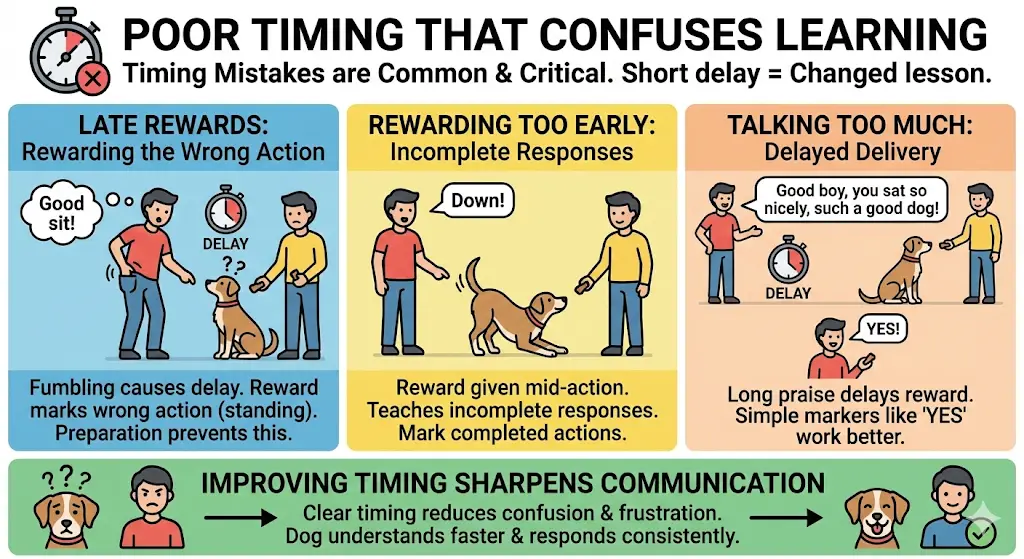
Timing mistakes happen more often than people realise. Even a short delay can change the lesson completely. Dog training treats must follow the behaviour immediately. Late rewards confuse dogs.
Many owners reward after reaching into pockets or fumbling with bags. During that delay, dogs often change position. The reward then marks the wrong action. Preparation prevents this mistake.
Another timing error involves rewarding too early. Giving a treat before a behavior finishes teaches incomplete responses. Your dog may stop halfway through commands. Rewards should mark completed actions clearly.
Talking too much also affects timing. Long praise sentences delay reward delivery. Simple markers like “yes” work better. They highlight the exact moment of success.
Improving timing sharpens communication. Clear timing reduces confusion and frustration. Your dog understands faster and responds more consistently.
Treat dependency worries many new owners, often because of poor planning. Using dog training treats constantly without progression can create reliance. Dogs may refuse to respond without food present.
This happens when owners never fade rewards gradually. Treats should support learning, not replace it. Once behaviors become consistent, rewards should vary. Praise and play can replace treats slowly.
Another mistake involves using treats for every behavior forever. This reduces their value over time. Dogs may lose motivation when rewards feel predictable. Variety keeps interest high.
Overfeeding also becomes a risk. Too many treats affect weight and energy levels. Health issues reduce focus and motivation. Treat size and frequency must remain controlled.
Planning reward progression prevents these problems. Treats start learning, but understanding sustains it. Balance keeps training healthy and effective.
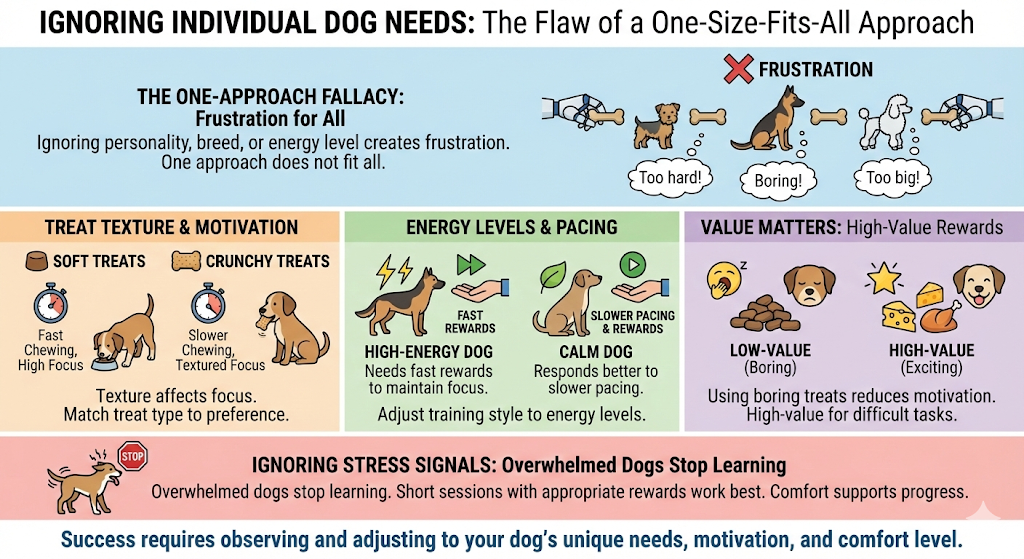
Every dog learns differently, yet many owners use one approach for all dogs. Ignoring personality, breed, or energy level creates frustration. Dog training treats must match your dog’s motivation style.
Some dogs prefer softer treats, while others enjoy crunch. Texture affects focus and chewing time. Matching treat type improves engagement. Observation helps refine choices.
Energy levels also matter. High-energy dogs need fast rewards to maintain focus. Calm dogs may respond better to slower pacing. Adjusting training style improves success.
Using treats your dog does not value reduces motivation. If treats feel boring, learning slows. High-value rewards help during difficult tasks. Value matters more than size.
Ignoring stress signals is another common mistake. Overwhelmed dogs stop learning. Short sessions with appropriate rewards work best. Comfort supports progress.
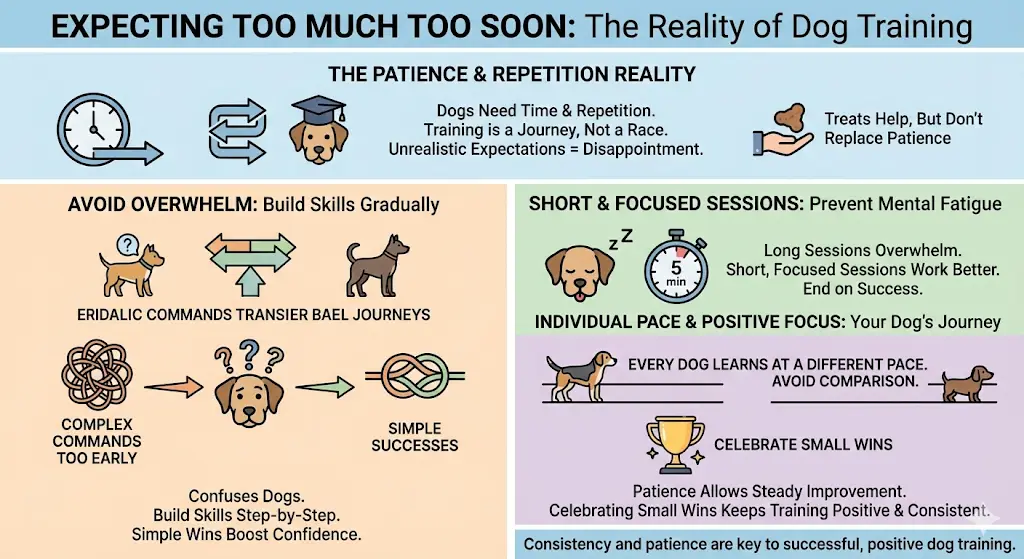
New owners often expect fast results. Dogs need repetition and patience. Training takes time, even with dog training treats. Unrealistic expectations create disappointment.
Complex commands introduced too early confuse dogs. Skills should build gradually. Simple successes boost confidence and motivation. Progress happens step by step.
Long sessions also overwhelm dogs. Mental fatigue reduces learning ability. Short, focused sessions work better. Ending on success builds enthusiasm.
Comparing progress with other dogs adds pressure. Every dog learns at a different pace. Patience allows steady improvement. Confidence grows naturally over time.
Celebrating small wins keeps training positive. Learning is a journey, not a race. Consistency matters more than speed.
Emotions influence training more than many owners realize. Frustration, impatience, or excitement affect timing and consistency. Dog training treats cannot fix emotional inconsistency.
Raising your voice or showing disappointment creates stress. Stressed dogs struggle to focus and learn. Calm energy supports better outcomes. Training should feel safe and encouraging.
Overexcitement also causes problems. Too much praise or excitement can break focus. Balanced enthusiasm works best. Clear cues and calm rewards maintain control.
Ending sessions while frustrated reinforces negativity. Always finish on a positive note. This leaves your dog confident and willing next time.
Managing emotions improves communication. Calm trainers produce confident learners.
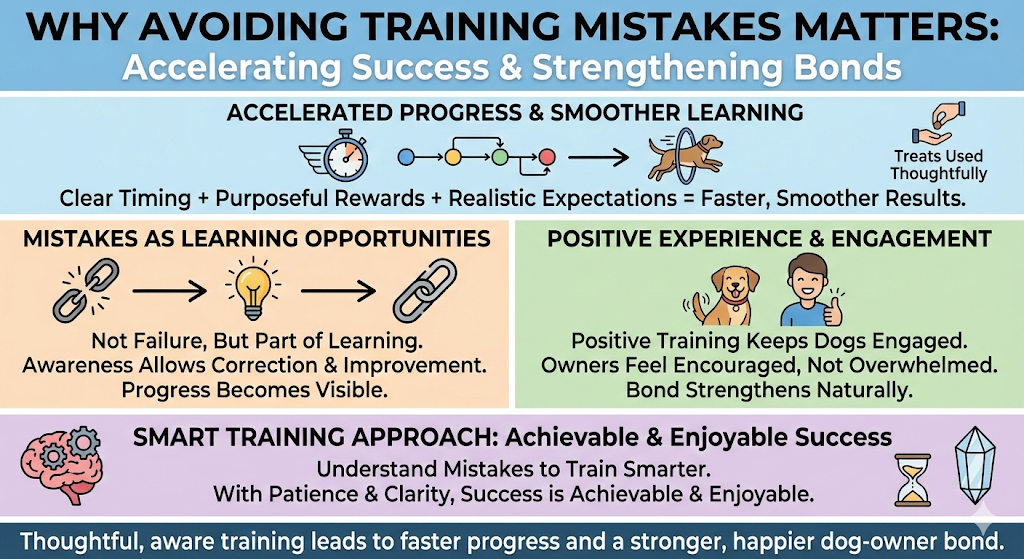
Avoiding common mistakes speeds training progress significantly. Clear timing, purposeful rewards, and realistic expectations make learning smoother. Dog training treats work best when used thoughtfully.
Mistakes do not mean failure. They are part of learning for both you and your dog. Awareness allows correction and improvement. Progress becomes visible quickly.
When training feels positive, dogs stay engaged. Owners feel encouraged instead of overwhelmed. The bond strengthens naturally.
Understanding these mistakes helps you train smarter. With patience and clarity, success becomes achievable and enjoyable.




Leave a comment